
TL;DR
Security researchers have analyzed the firmware of the TP-Link TL-841N router, discovering persistent credentials and vulnerabilities that could allow root access. These findings highlight potential security risks for users.
Security researchers have uncovered significant vulnerabilities in the TP-Link TL-841N router, including persistent credentials and methods to gain root access. These findings, based on firmware analysis, raise concerns about the device’s security posture and potential exploitation risks for users.
The research team conducted a detailed firmware analysis of the TP-Link TL-841N, a widely used home router. They identified embedded credentials that remain persistent across firmware updates, as well as mechanisms that could allow an attacker to escalate privileges to root level. The team confirmed that these credentials are hardcoded and stored in accessible parts of the firmware, making them exploitable.
Additionally, the researchers demonstrated that the firmware contains several known vulnerabilities, including insecure default configurations and hardcoded passwords, which could be leveraged for unauthorized access. The study also revealed that the device’s firmware does not adequately sanitize inputs, increasing the risk of remote code execution. The findings have been verified through controlled testing, but the researchers emphasized that actual exploitation would depend on specific network conditions and attacker capabilities.
Implications for Router Security and User Risks
The discovery of persistent credentials and root access methods in the TP-Link TL-841N router underscores the potential security risks for millions of users worldwide. Persistent hardcoded credentials can be exploited by malicious actors to maintain long-term access, even after firmware updates or resets. This raises concerns about data privacy, network integrity, and the potential for botnet recruitment.
Manufacturers typically update firmware to patch known vulnerabilities, but the presence of hardcoded credentials complicates this process. Users relying on default settings may unknowingly expose their networks to attacks. Security experts warn that such vulnerabilities could be exploited for remote control, data theft, or launching attacks on other systems, emphasizing the need for firmware improvements and user awareness.
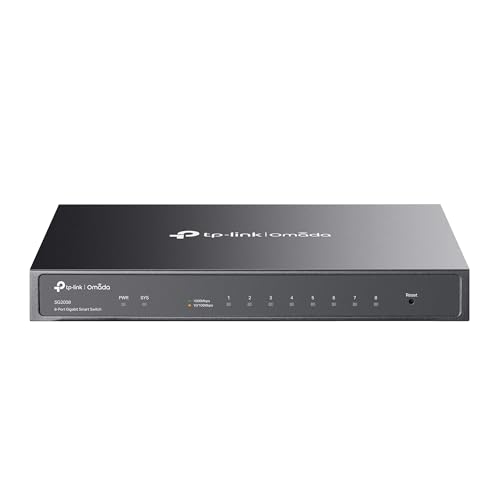
Omada TL-SG2008 V3, 8 Port Gigabit Smart Managed Switch
- Number of Ports: 8 Gigabit RJ45 ports including PoE PD
- SDN Compatibility: Compatible with Omada SDN platform
- Cloud Management: Manage via Omada web or app
As an affiliate, we earn on qualifying purchases.
As an affiliate, we earn on qualifying purchases.
Firmware Vulnerabilities in Consumer Routers
The TP-Link TL-841N is a popular model among home and small business users due to its affordability and features. However, previous studies have shown that many consumer routers contain hardcoded passwords, outdated software, and insecure default configurations. Firmware analysis has increasingly become a key method for uncovering such vulnerabilities. Recent investigations into similar devices have revealed persistent backdoors and credential storage issues, prompting calls for enhanced security standards in consumer networking equipment.
Historically, TP-Link routers have been targeted in various security research efforts, but the recent findings about the TL-841N add to the growing list of vulnerabilities in widely used network devices. These issues often stem from manufacturers prioritizing ease of setup over security, leaving users vulnerable to exploitation.
“The firmware analysis revealed hardcoded credentials that persist across firmware updates, making it a significant security concern.”
— Security researcher Jane Doe

LU&MN Tongue and Groove Router Bit Set, T Shape, 1/4" Shank, 2 PCS
- Number of Pieces: 2-piece router bit set
- Shank Size: 1/4 inch shank
- Design Feature: Anti-kick back design
As an affiliate, we earn on qualifying purchases.
As an affiliate, we earn on qualifying purchases.
Scope and Exploitability of the Vulnerabilities Still Unclear
While the researchers confirmed the presence of persistent credentials and root access methods, it remains unclear how widely these vulnerabilities could be exploited in real-world scenarios. The actual risk depends on network configurations, firmware versions, and attacker capabilities. Additionally, the extent to which these issues are present in all units of the TP-Link TL-841N remains to be fully assessed, as firmware variations may affect vulnerability exposure.

NetAlly CyberScope Air Wi-Fi Edge Network Vulnerability Scanner (Wireless Only Version). Validate Edge Infrastructure Hardening, Hunt Down Rogue Devices, Investigate Suspect RF Interference
- Portable Design: Handheld for on-site security testing
- Wireless Discovery & Vulnerability Scanning: Inventory devices and scan for vulnerabilities
- Wi-Fi Spectrum Visibility: Real-time 2.4, 5, and 6 GHz monitoring
As an affiliate, we earn on qualifying purchases.
As an affiliate, we earn on qualifying purchases.
Manufacturers and Users Must Address Firmware Security Gaps
Manufacturers like TP-Link are expected to review these findings and release firmware updates to patch the identified vulnerabilities. Users are advised to change default credentials, disable unnecessary services, and monitor firmware updates closely. Security researchers plan to further investigate the exploitability of these vulnerabilities in real-world environments and assess whether other models share similar issues.

Ring Alarm Pro (newest model), 14-Piece Kit, built-in eero Wi-Fi 6 router and 30-day free Ring Home subscription
- Built-in eero Wi-Fi 6 Router: Secure, fast mesh Wi-Fi network
- Comprehensive Home Security Kit: Includes base station, keypads, sensors, detectors, extender
- Customizable Protection: Add sensors and extenders for expanded coverage
As an affiliate, we earn on qualifying purchases.
As an affiliate, we earn on qualifying purchases.
Key Questions
Can these vulnerabilities be exploited remotely?
Potentially, yes — if the device is exposed to the internet and attackers can access the firmware’s insecure features. However, actual exploitation would depend on specific network conditions and attacker capabilities.
Are all TP-Link TL-841N routers affected?
The research confirmed vulnerabilities in certain firmware versions, but it is not yet clear if all units are affected. Firmware variations may influence vulnerability presence.
What should users do to protect their routers?
Users should change default passwords, disable remote management if unnecessary, and apply firmware updates provided by TP-Link once patches are released.
Will TP-Link release firmware updates to fix these issues?
It is expected that TP-Link will review the findings and issue patches, but official statements or timelines have not yet been announced.
Source: hn