To prevent SQL injection attacks, you should validate all user inputs to verify they match expected formats and use parameterized queries or prepared statements to separate code from data. Layering these defenses minimizes vulnerabilities and reduces the risk of attackers executing malicious SQL. Regularly update your software, perform security audits, and follow cybersecurity best practices for thorough security. Keep going to discover more effective strategies to secure your web applications against these pervasive threats.
Key Takeaways
- SQL injection exploits vulnerabilities to access, manipulate, or delete sensitive database data, posing serious security risks.
- Input validation filters malicious inputs before reaching the database, reducing injection threats.
- Using parameterized queries or prepared statements ensures user data is treated safely and prevents execution of malicious code.
- A layered defense approach combines input validation, prepared statements, software updates, and security audits for comprehensive protection.
- Regularly updating systems and reviewing code help identify and fix vulnerabilities, strengthening defenses against SQL injection attacks.

SQL injection attacks remain one of the most common and dangerous threats to web applications today. If you don’t protect your site properly, attackers can exploit vulnerabilities to access sensitive data, manipulate databases, or even take control of your entire system. To prevent this, one of the most effective strategies is to implement robust input validation. You need to ensure that all user inputs are checked thoroughly before they’re processed by your database. This means only accepting data that matches expected formats, such as numbers for IDs or specific text patterns for email addresses. By filtering out malicious inputs early, you drastically reduce the risk of injection attacks.
Another essential approach is to use parameterized queries, also known as prepared statements. These queries allow you to define the SQL code separately from the user inputs, which are then safely inserted into the query at execution time. This method prevents attackers from injecting malicious SQL code because the database treats user inputs as data, not as part of the command. For example, instead of concatenating user input directly into a query string, you prepare a statement with placeholders and then bind actual values. This way, even if a user tries to insert SQL code, it won’t execute as part of your query. Parameterized queries are a cornerstone of secure database interaction and are supported by most modern programming languages and database systems.
It’s not enough to rely solely on input validation or parameterized queries; combining these methods creates a layered defense that considerably minimizes your vulnerability. Input validation acts as the first line of defense by filtering out obvious threats before they reach your database layer. Parameterized queries then ensure that any remaining data is handled safely during execution. Additionally, keeping your software and database systems up to date is essential, as updates often patch security vulnerabilities that could be exploited through injection attacks. Regular security audits and code reviews can also help identify potential weaknesses before they’re exploited. Incorporating cybersecurity best practices into your development process further enhances your protection against these types of threats.
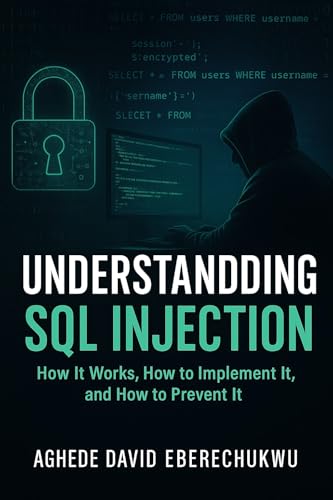
Understanding SQL Injection: How It Works, How to Implement It, and How to Prevent It: A Practical Guide for Developers, Hackers, and Defenders
As an affiliate, we earn on qualifying purchases.
As an affiliate, we earn on qualifying purchases.
Frequently Asked Questions
How Do Hackers Discover New SQL Injection Techniques?
You might wonder how hackers discover new techniques. They use automated scanning tools to identify vulnerabilities quickly and efficiently. Sometimes, they develop zero-day exploits, which are previously unknown flaws in software. Hackers constantly analyze systems, experiment with inputs, and share findings within underground communities. This ongoing process helps them uncover innovative methods to bypass security measures, making it essential for you to stay vigilant and update your defenses regularly.
Are There Specific Industries More Vulnerable to SQL Injection Attacks?
Ever wondered which industries are more vulnerable to cyber threats? You should know that the financial sector and healthcare vulnerabilities make them prime targets. These industries often handle sensitive data and complex systems, increasing the risk of attacks. Your organization’s security measures need to be robust here. Wouldn’t you agree that staying ahead of potential threats is vital? Protecting these sectors requires constant vigilance and strong defense strategies.
Can AI Help in Detecting and Preventing SQL Injection?
You can leverage AI to detect and prevent attacks by using machine learning and anomaly detection techniques. These tools analyze patterns in your database traffic and identify unusual activities that could signal malicious attempts. By constantly learning from new data, AI helps you respond faster and more accurately, reducing vulnerabilities. Implementing AI-driven solutions empowers you to proactively defend your systems and guarantee your data remains secure against evolving threats.
What Are the Legal Implications of SQL Injection Attacks?
You should understand that engaging in activities like SQL injection attacks can lead to serious legal consequences. You might face legal liability for unauthorized access or data theft, which can result in criminal prosecution. Laws are strict, and tech companies or individuals harmed by your actions could pursue legal action. It’s essential to respect data security laws, as legal penalties can include hefty fines and imprisonment, making such actions highly risky.
How Often Should Organizations Update Their SQL Security Protocols?
You should update your security protocols regularly, ideally conducting security audits at least quarterly to identify vulnerabilities. Incorporate ongoing employee training to ensure your team stays aware of the latest threats and best practices. Staying proactive helps you defend against potential breaches. Regular updates and education are essential for maintaining strong security, so don’t wait until an incident occurs—make continuous improvements part of your standard security routine.

Database Security: Problems and Solutions
As an affiliate, we earn on qualifying purchases.
As an affiliate, we earn on qualifying purchases.
Conclusion
Now that you understand how SQL injection attacks work and the best ways to prevent them, remember—cybercriminals are always evolving their tactics. If you let your guard down or neglect proper safeguards, vulnerabilities could be exploited at any moment. The battle between security and attack is ongoing. Staying vigilant, regularly updating your defenses, and monitoring for suspicious activity isn’t just smart—it’s essential. The question is: are you prepared for what’s coming next?

Automated Security Testing: Tools and Techniques for Protecting Web Applications
As an affiliate, we earn on qualifying purchases.
As an affiliate, we earn on qualifying purchases.

HTML Forms & Interaction – Inputs, Validation, and UX (HTML Series)
As an affiliate, we earn on qualifying purchases.
As an affiliate, we earn on qualifying purchases.