

To guarantee compliance with regulations like HIPAA, GDPR, and banking standards, you need to implement strong MFA practices aligned with their standards. Regular risk assessments help identify vulnerabilities, while user education promotes secure practices and reduces human error. Combining technical safeguards with informed users strengthens your security posture and supports regulatory requirements. Continuing with this approach allows you to build an all-encompassing, compliant security strategy that adapts to emerging threats and standards.
Key Takeaways
- Ensure MFA implementation aligns with industry-specific regulations like HIPAA, GDPR, and banking standards through continuous risk assessments.
- Conduct regular risk evaluations to identify vulnerabilities and adapt MFA strategies to evolving regulatory requirements.
- Educate users on MFA best practices and security awareness to support compliance and reduce human error.
- Integrate technical safeguards with user training to meet mandates for data protection and breach prevention.
- Maintain documentation and ongoing review processes to demonstrate compliance and uphold regulatory standards.

In today’s regulated digital landscape, guaranteeing your Multi-Factor Authentication (MFA) strategies comply with industry standards is essential. One of the first steps is conducting a thorough risk assessment. This process helps you identify potential vulnerabilities in your authentication processes and understand where MFA can most effectively reduce risks. By evaluating the types of data you handle—whether protected health information under HIPAA, personal data under GDPR, or financial transactions in banking—you gain insight into the specific security challenges you face. Risk assessment isn’t a one-time activity; it requires ongoing review as technology evolves and new threats emerge. This proactive approach ensures your MFA implementation remains aligned with industry mandates and effectively minimizes the chances of breaches or non-compliance penalties.
Alongside risk assessment, user education plays a pivotal role in maintaining compliance. MFA is only as strong as the users who implement it daily. You need to make sure that everyone understands how MFA works, why it’s necessary, and how to properly use it. Educating users reduces the likelihood of security lapses caused by human error, such as sharing authentication codes or falling for phishing scams. Clear communication about best practices and potential threats builds a security-conscious culture within your organization. When users are well-informed, they become active participants in maintaining compliance, rather than inadvertent weak links.
Balancing risk assessment with user education isn’t just about ticking regulatory boxes; it’s about creating a security framework that is resilient and adaptable. Regulations like HIPAA emphasize the importance of safeguarding sensitive health information, and this mandate extends to ensuring that user practices support technical safeguards like MFA. GDPR also stresses transparency and accountability, which can be reinforced through ongoing user training. In banking, where financial data and transactions are prime targets for cybercriminals, a well-informed user base can prevent social engineering attacks that bypass technical controls altogether.
Ultimately, compliance isn’t just about deploying MFA but integrating it into a thorough security strategy. Regular risk assessments pinpoint weaknesses, while user education empowers your team to adhere to policies effectively. Together, these elements ensure your MFA practices meet industry standards, protect sensitive data, and sustain trust with clients and regulators alike. Staying vigilant and proactive in these areas enables you to navigate the complex regulatory landscape confidently and maintain robust security defenses.
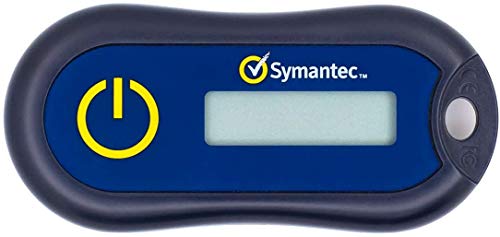
Symantec VIP Hardware Authenticator – OTP One Time Password Display Token – Two Factor Authentication – Time Based TOTP – Key Chain Size
Standard OATH compliant TOTP token (time based)
As an affiliate, we earn on qualifying purchases.
As an affiliate, we earn on qualifying purchases.
Frequently Asked Questions
How Often Should MFA Protocols Be Reviewed for Compliance?
You should review your MFA protocols at least annually, conducting periodic audits to guarantee ongoing compliance. Regular reviews help identify vulnerabilities and adapt to evolving regulations. Additionally, you need to update your user education to reinforce best practices. This proactive approach ensures your MFA remains effective and compliant, reducing risk and maintaining trust. Remember, staying current with reviews and training is key to meeting regulatory requirements and protecting sensitive data.
What Are the Penalties for Non-Compliance With MFA Regulations?
If you don’t comply with MFA regulations, you face penalties like fines, legal actions, and reputation damage. Penalty escalation occurs with repeated violations, making consequences more severe over time. Staying audit-ready helps you avoid these issues by demonstrating compliance. Non-compliance also hampers your ability to respond effectively during audits, increasing the risk of penalties. Regular reviews and thorough documentation are essential to maintain compliance and minimize potential penalties.
How Does MFA Impact User Privacy Under GDPR?
Implementing MFA affects your user privacy by requiring additional data for authentication, which raises concerns about data protection. Under GDPR, you must guarantee that user privacy is respected and that personal data collected during MFA processes is securely stored and processed. You have to inform users about how their data is used, obtain consent if needed, and safeguard their information to comply with GDPR’s strict privacy regulations.
Are There Specific MFA Requirements for Financial Institutions?
As a financial institution, you must follow MFA standards that guarantee strong security. Regulations often require multi-factor authentication methods like biometrics, hardware tokens, or one-time passwords to verify user identities effectively. These standards aim to shield sensitive customer data and prevent fraud. You should regularly review and update your MFA practices to stay compliant with industry requirements, ensuring your security measures adapt to emerging threats while maintaining user privacy.
Can MFA Solutions Be Customized for Different Regulatory Standards?
Yes, MFA solutions can be customized for different regulatory standards through biometric customization and regulatory tailoring. You can adapt authentication methods to meet specific requirements, like incorporating fingerprint or facial recognition for biometric needs. This flexibility guarantees your MFA approach aligns with HIPAA, GDPR, or banking regulations, helping you stay compliant while maintaining security. By tailoring your MFA setup, you address unique regulatory demands effectively and enhance user confidence.

Yubico – YubiKey Bio C (FIDO Edition) – Basic Compatibility – Multi-Factor authentication (MFA) Security Key and passkey, Connect via USB-C, Biometric, FIDO Certified – Protect Your Online Accounts
FIDO-ONLY FUNCTIONALITY: Supports FIDO2 (passkeys) and FIDO U2F protocols for passwordless and second-factor authentication. Does not support OTP,…
As an affiliate, we earn on qualifying purchases.
As an affiliate, we earn on qualifying purchases.
Conclusion
By now, you see that complying with regulations like HIPAA, GDPR, and banking standards isn’t just a task—it’s your fortress against data chaos. Implementing MFA isn’t merely a checkbox; it’s your ultimate shield guarding your sensitive information from a relentless tidal wave of cyber threats. Embrace these standards wholeheartedly, and you’ll not only stay compliant but become an unstoppable force in data security. Remember, in the world of cybersecurity, MFA is your secret weapon—use it wisely!
security awareness training for MFA
As an affiliate, we earn on qualifying purchases.
As an affiliate, we earn on qualifying purchases.

The Operational Excellence Library; Mastering Cybersecurity Risk Assessment Tools
As an affiliate, we earn on qualifying purchases.
As an affiliate, we earn on qualifying purchases.