

Buying for image is about shaping how others see you, often influenced by trends, social pressures, and the desire for external validation. It focuses on projecting an attractive or fashionable appearance, sometimes sacrificing authenticity. In contrast, buying for identity reflects your true self, values, and long-term authenticity, leading to a wardrobe that genuinely aligns with who you are. Understanding these differences can help you make more intentional choices—if you want to uncover more, keep exploring these insights.

Get privacy and security gear delivered free — and shop member deals
- Fast, free delivery on millions of items
- Access to Prime Big Deal Days deals on October 6–7
- Prime Video, Amazon Music and more included
Key Takeaways
- Buying for image aims to project societal approval, while buying for identity emphasizes authentic self-expression.
- Image-driven purchases are influenced by trends and external validation, whereas identity-based choices reflect personal values.
- Brands chosen for image focus on perception and status; identity-driven choices prioritize personal meaning and beliefs.
- Wardrobes for image often follow fleeting trends; identity-oriented wardrobes reflect long-term authenticity and comfort.
- Buying for image seeks social admiration; buying for identity fosters genuine confidence and self-awareness.
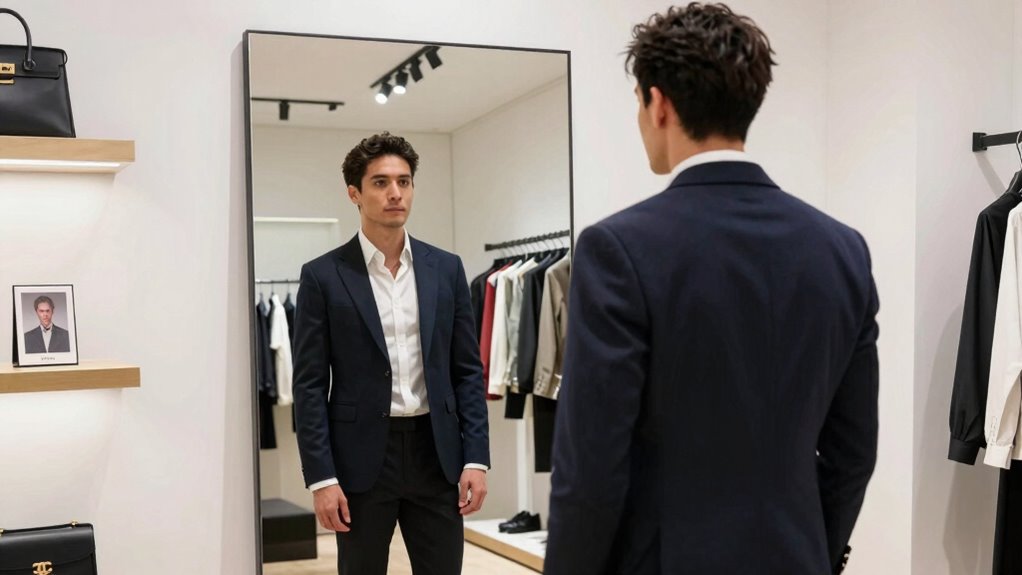
Buying for image often means selecting items that project a certain appearance to others. You’re driven by how you want to be perceived—perhaps trendy, successful, or stylish. Your choices are influenced by social influence, which can come from friends, social media, or popular culture. You might pick a designer label or follow the latest fashion trends to boost your brand perception in the eyes of others. This approach tends to prioritize external validation over personal meaning, making your wardrobe a reflection of societal expectations rather than your authentic self.
On the other hand, buying for identity is rooted in understanding and expressing who you truly are. It’s less about how others see you and more about how you see yourself. When you shop this way, your choices are guided by your values, personality, and long-term sense of comfort and authenticity. Instead of chasing fleeting trends, you select items that resonate with your core identity. This approach often leads to a more cohesive wardrobe that feels genuine and meaningful because it aligns with your beliefs and lifestyle. Recognizing the importance of authentic brand perception can help you prioritize brands that genuinely reflect your values. Cultivating an awareness of your personal values can further deepen your connection to your wardrobe choices and ensure they truly represent your authentic self.
Understanding the distinction between these approaches can also reveal how social influence impacts your decision-making process, helping you choose what truly aligns with your true self rather than external pressures. Developing a clear sense of your personal style can support more intentional shopping habits and reduce impulse purchases driven by external validation. The difference in brand perception between these two philosophies is significant. Buying for image often means paying attention to how brands are perceived externally—luxury, exclusivity, or status symbols that elevate your social standing. You may view brands as tools to enhance your social influence, believing that the right label can open doors or garner admiration. Conversely, when you buy for identity, you focus less on the brand’s social cachet and more on what the brand stands for. You might choose brands that reflect your ethical beliefs, craftsmanship, or personal story, which reinforces your sense of self rather than external approval.
Ultimately, understanding whether you’re shopping to elevate your image or to express your identity can dramatically change your relationship with fashion. When you recognize the role social influence plays, you can make more conscious choices that serve your authentic self rather than just external expectations. This awareness empowers you to build a wardrobe that’s not only stylish but also meaningful, helping you project confidence rooted in who you genuinely are.
ethical and sustainable clothing brands
As an affiliate, we earn on qualifying purchases.
As an affiliate, we earn on qualifying purchases.
Frequently Asked Questions
How Do Personal Values Influence Purchasing Decisions?
Your personal values strongly influence your purchasing decisions, guiding you to choose products that align with your beliefs and ethics. When you prioritize consumer authenticity, you seek brands that genuinely represent your values, rather than just projecting a certain image. This means you’re more likely to support companies committed to sustainability, fairness, or social causes. Ultimately, your choices reflect who you are and what you stand for, making your purchases meaningful and authentic.
Can Buying for Identity Lead to Less Consumer Satisfaction?
Think of your authentic self as a steady lighthouse amid shifting tides. When you buy for identity, you might chase external validation, like chasing distant stars, which can lead to fleeting satisfaction. This pursuit often leaves you feeling hollow, like a ship lost at sea. While it’s tempting to seek approval, true contentment comes from aligning purchases with your core values, anchoring you in genuine fulfillment rather than temporary external praise.
Are There Specific Industries More Associated With Image or Identity?
You’ll find that fashion, luxury, and cosmetics industries are more associated with image, as they heavily influence brand perception through visual appeal. On the other hand, tech and sustainability sectors focus more on identity, appealing to consumers’ values and beliefs. Market segmentation helps brands target specific groups, shaping whether they emphasize image or identity, ultimately guiding your purchasing choices based on what resonates most with your personal values or desire for social status.
How Does Social Media Impact Buying for Image Versus Identity?
Social media acts like a mirror reflecting your desires, shaping your buying habits more than ever. You’re influenced by the flickering influence of influencers and their carefully curated visual branding, which often blurs the line between image and identity. As you scroll, you may find yourself chasing fleeting trends or authentic expressions, depending on whether you’re drawn to the surface or the deeper story behind what you buy.
What Role Does Cultural Background Play in Purchasing Choices?
Your cultural background profoundly influences your purchasing choices through cultural influences and perceptions. It shapes what you value, how you interpret brands, and what symbols resonate with you. Cultural perceptions tell you what’s appropriate or desirable within your community, guiding your decisions. By understanding these factors, you can recognize why certain products appeal more to you or others from similar backgrounds, ultimately making more authentic and meaningful buying choices.
As an affiliate, we earn on qualifying purchases.
Conclusion
Remember, appearances can be deceiving, but true identity shines from within. When you buy for image, you chase fleeting trends, hoping they define you. But when you buy for identity, you invest in what truly reflects who you are. It’s not about impressing others, but about embracing your authentic self. As the saying goes, “Clothes make the man, but character makes the person.” Choose wisely, and let your true self stand out.
As an affiliate, we earn on qualifying purchases.
personal style development books
As an affiliate, we earn on qualifying purchases.
As an affiliate, we earn on qualifying purchases.
Fall Picks
fall essentials
As an affiliate, we earn on qualifying purchases.