

When you’re emotionally activated, pause and assess your feelings before making a purchase. Recognize if you’re feeling anxious, excited, or upset, and ask yourself if the buy is a need or just an emotional urge. Implement wait times, like 24 hours, and avoid browsing apps during vulnerable moments. Setting spending limits and reflection on past emotional spending can strengthen your self-control. Keep exploring to discover more ways to build smarter shopping habits during emotional times.

Get privacy and security gear delivered free with Prime
- Fast, free delivery on millions of items
- Prime Video, Amazon Music and more included
- Member-only deals all year
Key Takeaways
- Pause and implement a waiting period, such as 24 hours, before making non-essential purchases.
- Reflect on whether your feelings are driving the purchase or if there’s a genuine need.
- Identify emotional triggers that lead to impulsive buying and develop alternative coping strategies.
- Set clear spending limits aligned with your financial goals to prevent impulsive decisions.
- Avoid browsing shopping apps during emotional lows to reduce temptation and impulsive spending.
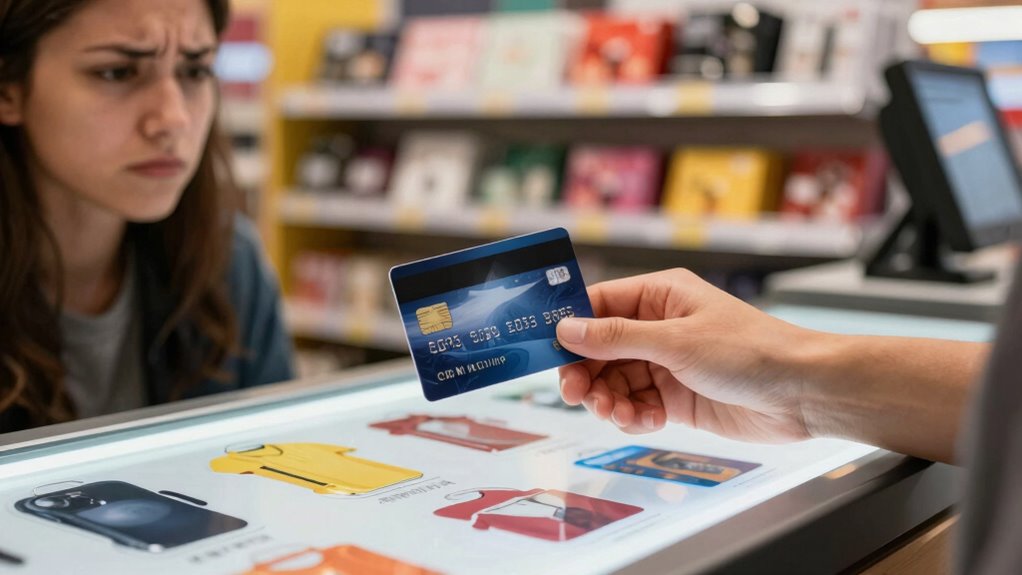
When you’re emotionally activated—whether you’re feeling anxious, excited, or upset—making purchase decisions can become impulsive and clouded by your feelings. During these moments, your impulse control weakens, and your ability to think clearly diminishes. You might find yourself buying things you don’t really need or spending more than you intended. That’s why developing emotional awareness is essential. Recognizing when your emotions are influencing your choices gives you a chance to pause and regain control.
The first step is to tune into your feelings. Ask yourself, “Am I buying this because I genuinely need it, or am I reacting to a temporary emotion?” When you’re aware of your emotional state, you can better assess whether a purchase is rational or just a response to your current mood. For example, if you’re feeling anxious, you might be tempted to buy something to soothe yourself. Knowing this, you can choose healthier ways to cope, like taking a walk or practicing deep breathing, instead of making an impulsive purchase.
Impulse control plays a key role here. When you’re emotionally activated, your tendency to act without thinking increases. To counter this, implement simple strategies like creating a waiting period before making big purchases—say, 24 hours or more. During this time, check in with yourself: Are you still interested? Does this buy align with your goals? Often, the urge subsides once your initial feelings pass, preventing regretful spending. Building awareness of your emotional triggers can help you recognize and manage these impulses more effectively over time. Additionally, understanding the impact of emotional responses on decision-making can empower you to develop healthier habits.
Another effective approach is to set clear spending limits and stick to them. When you’re aware of your emotional triggers, you can prepare in advance. For instance, if you know that shopping online when you’re upset leads to unnecessary spending, you can avoid browsing during those times or delete shopping apps temporarily. This proactive step reinforces your impulse control and helps maintain emotional awareness.
It’s also helpful to reflect on past purchases made during emotional highs or lows. Recognize patterns that lead to unnecessary spending, so you can develop better strategies for future situations. Over time, this awareness strengthens your ability to pause and make thoughtful decisions rather than impulsive ones. Recognizing your emotional states and their influence on spending is a crucial step toward building healthier financial habits. Understanding the role of emotional regulation can significantly improve your overall financial habits and prevent impulsive buys driven by temporary feelings.
As an affiliate, we earn on qualifying purchases.
Frequently Asked Questions
How Can I Recognize Emotional Triggers Before Shopping?
To recognize emotional triggers before shopping, develop emotional awareness by paying attention to your feelings and physical sensations. Identify triggers by noting when you feel restless, stressed, or excited—these are signals you’re emotionally activated. Practice trigger identification by reflecting on past shopping impulses linked to specific emotions or situations. By staying mindful of these cues, you can pause and decide more thoughtfully, preventing impulsive purchases driven by emotion rather than need.
What Are Quick Techniques to Pause During Impulsive Buys?
Research shows that taking a deep breath can boost impulse control by calming emotional reactions. When you feel the urge to buy impulsively, pause for a moment and check in with your emotional awareness—ask yourself if the purchase is truly necessary. This quick technique helps you regain control, slow down decision-making, and prevent regret. Practicing these pauses regularly strengthens your ability to make thoughtful choices, even when emotions run high.
Can Mindfulness Improve My Purchasing Decisions?
Yes, mindfulness can improve your purchasing decisions. By practicing financial mindfulness, you stay aware of your spending habits, while emotional awareness helps you recognize when emotions influence your choices. When you pause to reflect before buying, you reduce impulsive spending. Cultivating these skills allows you to make more intentional choices, ensuring your purchases align with your long-term financial goals rather than immediate feelings.
How Does Sleep Affect Emotional Spending Habits?
Did you know sleep deprivation increases emotional spending by up to 50%? When you’re emotionally fatigued, you’re more likely to make impulsive purchases to seek comfort. Lack of sleep hampers your ability to resist temptation and makes emotional reactions more intense. Prioritizing good sleep helps stabilize your mood, reduces impulsive buying, and makes it easier to think clearly before making purchases, even when you’re feeling overwhelmed.
Are There Specific Products I Should Avoid When Upset?
When upset, avoid impulse shopping on products linked to emotional triggers, like luxury items or comfort foods. These purchases often provide temporary relief but worsen feelings afterward. Instead, pause and reflect on whether the product truly adds value or just feeds your current mood. Recognizing your emotional state helps you resist impulsive urges, making smarter decisions and preventing unnecessary spending fueled by emotional triggers.
As an affiliate, we earn on qualifying purchases.
Conclusion
Next time your emotions surge like a stormy sea, remember to anchor yourself before making a purchase. Just as a sailor waits for calm waters, pause and breathe—give your impulses time to settle. By steering through your feelings with the steady hand of awareness, you’ll navigate your spending wisely, avoiding the whirlpools of regret. Your wallet and peace of mind will thank you for anchoring your heart before charting a course toward that tempting buy.
As an affiliate, we earn on qualifying purchases.
As an affiliate, we earn on qualifying purchases.
Halloween Picks
halloween
As an affiliate, we earn on qualifying purchases.