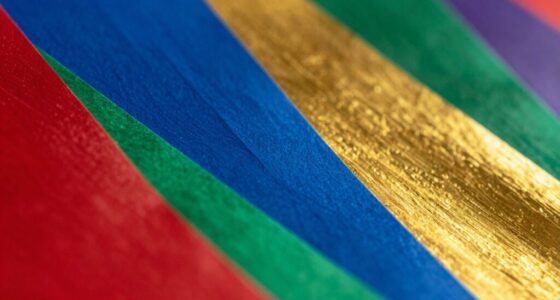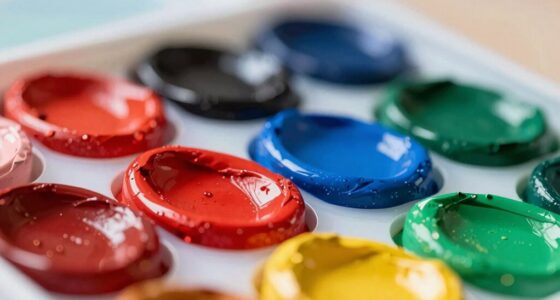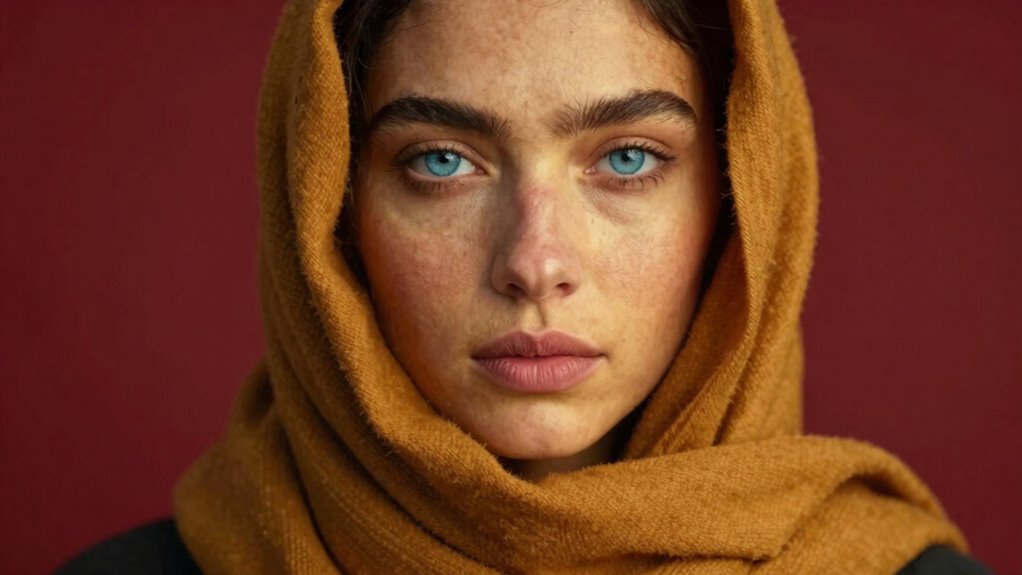

Your color preferences often reflect your identity, shaped by cultural influences, personal memories, and emotions. When you choose certain colors, you’re expressing aspects of who you are without words. These choices reveal your background, experiences, and current emotional states. As your identity evolves, so do your preferences, creating a dynamic reflection of your growth. If you explore further, you’ll discover how understanding this overlap can deepen your self-awareness and personal development.

Get privacy and security gear delivered free with Prime
- Fast, free delivery on millions of items
- Prime Video, Amazon Music and more included
- Member-only deals all year
Key Takeaways
- Personal color choices often reflect cultural backgrounds and emotional states, revealing aspects of individual identity.
- Colors linked to personal memories or achievements serve as symbols of self-expression and inner experiences.
- Evolving color preferences mirror personal growth, life phases, and shifting self-perceptions.
- Cultural influences shape preferences, making color choices a reflection of cultural identity and values.
- Recognizing the symbolism behind colors enhances self-awareness and deepens understanding of one’s true self.

Color preferences often reveal more about our identities than we realize. When you choose a favorite hue, it’s not just about aesthetics—your choice can reflect deep-seated cultural influences and personal symbolism. These factors shape your perception of color and, in turn, influence how you express yourself. For example, in some cultures, red symbolizes luck and prosperity, while in others, it may be associated with danger or passion. Your cultural background can subtly steer your color preferences, often without you consciously recognizing it. If you grew up in a society that associates blue with calmness and trust, you might find yourself gravitating toward that shade when seeking comfort or reliability. These cultural influences become embedded in your subconscious, guiding your choices in clothing, décor, or even the colors you wear during significant moments. Recognizing how cultural influences shape our preferences can deepen our understanding of ourselves and our choices. Personal symbolism also plays a crucial role in how your preferences develop. Over time, certain colors can become intertwined with personal memories, achievements, or emotions. For instance, you might favor yellow because it reminds you of a joyful childhood summer or a meaningful trip. These associations turn colors into symbols of your identity, allowing you to communicate facets of who you are without words. When you pick a color for a special occasion or everyday use, you often do so based on the feelings and memories it evokes. This personal symbolism becomes a visual language, sharing your innermost sentiments and experiences with others, sometimes even more powerfully than words can. Your color choices also evolve as your identity shifts. As you experience new cultural influences or accumulate personal memories, your preferences may change, reflecting your growth. Understanding the connection between cultural influences and personal experiences can help you appreciate how your preferences are shaped and how they evolve over time. You might have once favored bold, vibrant colors but now prefer softer, muted tones that speak to a different phase in your life. This overlap between color preferences and identity underscores how fluid and dynamic your relationship with color truly is. It’s not just about aesthetics; it’s a way to express cultural roots, personal stories, and emotional states. Recognizing this overlap can deepen your understanding of yourself and how you relate to the world around you, revealing that colors are more than just visual stimuli—they’re a mirror of your complex, evolving identity. Embracing this awareness can foster personal growth by encouraging reflection on how your preferences mirror your inner journey.
As an affiliate, we earn on qualifying purchases.
Frequently Asked Questions
How Do Cultural Differences Influence Color Preference and Identity?
You’re influenced by cultural differences that shape your color preferences and identity through cultural symbolism and traditional attire. In some cultures, specific colors symbolize status, spirituality, or emotions, guiding your choices. When wearing traditional attire, you express cultural pride and identity through color. These influences create a deep connection between your personal preferences and cultural meanings, reinforcing your sense of belonging and understanding of your heritage.
Can Color Preferences Change Over a Person’s Lifetime?
Just like a knight’s armor evolves, your color preferences can change over your lifetime. You might initially favor bright reds, symbolizing passion, but later lean toward calming blues, representing tranquility. These shifts happen through personal associations and changing perceptions of color symbolism, influenced by experiences, culture, and growth. So, yes, your favorite colors can transform, reflecting your evolving identity and the stories you carry through each chapter of life.
Are There Psychological Effects Linked to Specific Colors?
Yes, there are psychological effects linked to specific colors through color symbolism and emotional associations. For example, red can evoke excitement or passion, while blue often promotes calmness and trust. You might find that your reactions to colors influence your mood and behavior, consciously or subconsciously. These effects can vary based on personal experiences and cultural backgrounds, shaping how you perceive and respond to different colors daily.
How Do Marketing Strategies Target Color Preferences?
Marketing strategies target color preferences like a painter selecting the perfect hues for a masterpiece. You’ll notice brands leverage color symbolism to evoke emotions and influence choices, tapping into branding psychology. By choosing specific colors, they shape perceptions and forge connections with their audience. This strategic use of color enhances recognition and drives actions, making your emotional response a vital part of their visual storytelling.
What Role Do Genetics Play in Color Preference?
Genetics influence your color preferences through genetic predispositions and color inheritance. These inherited traits shape how you respond to certain colors, often making you naturally gravitate toward specific hues. Your genes can determine sensitivity to color, impacting your likes and dislikes. Understanding this connection helps explain why you might favor particular shades, as your biological makeup plays a significant role in shaping your unique color preferences.
As an affiliate, we earn on qualifying purchases.
Conclusion
Your favorite colors often echo parts of who you are, blending personal taste with your identity like a river carving its path through the landscape. Recognizing this overlap helps you understand yourself better, revealing hidden layers beneath your preferences. Just as a rainbow unites different hues into one stunning display, your color choices can symbolize the complex, vibrant mosaic of your personality. Embrace these shades—they’re more than just colors, they’re your story painted in vivid strokes.
As an affiliate, we earn on qualifying purchases.
As an affiliate, we earn on qualifying purchases.
Fall Picks
fall essentials
As an affiliate, we earn on qualifying purchases.