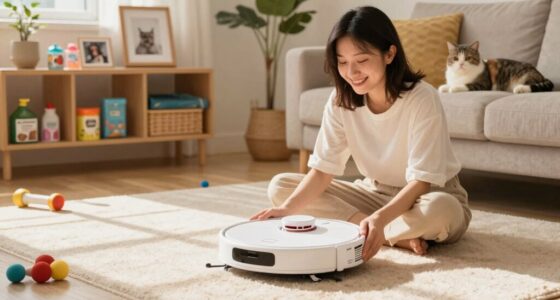

Choosing to stay childfree means you’re intentionally managing your resources—saving money on healthcare and education, and reallocating it toward your passions and goals. It also lets you conserve time and emotional energy, freeing you for career growth, hobbies, or relationships without the demands of parenting. By understanding these practical reasons, you can feel confident in your decision. If you want to explore deeper, you’ll discover how societal and genetic factors play a role too.

Get privacy and security gear delivered free with Prime
- Fast, free delivery on millions of items
- Prime Video, Amazon Music and more included
- Member-only deals all year
Key Takeaways
- Choosing to be childfree reallocates financial resources toward savings, passions, or personal goals instead of parenting expenses.
- Remaining childfree preserves time for career, hobbies, and relationships, allowing for a more flexible lifestyle.
- Opting out of parenthood conserves emotional and mental energy, reducing burnout and enhancing overall well-being.
- Recognizing societal pressures and genetic risks helps justify the decision to prioritize personal values and reduce future burdens.
- The decision is a strategic evaluation balancing resource allocation, personal fulfillment, and long-term well-being.

Deciding to remain childfree often stems from a clear understanding of how it impacts your resources—money, time, and energy. You recognize that raising children requires a significant financial commitment, from healthcare and education to daily needs. Choosing to forgo parenthood allows you to allocate those resources elsewhere, whether that’s saving for your future, investing in passions, or securing a comfortable lifestyle. This decision isn’t made lightly; it’s rooted in weighing the tangible costs against your personal goals and values.
Choosing to stay childfree lets you prioritize your financial goals and personal passions over the costs of raising children.
Genetic considerations also play a role in your decision. You might think about your family’s history of health issues or genetic conditions that could lead to costly medical treatments or complications. Avoiding parenthood could be a way to sidestep potential emotional and financial strains associated with hereditary health risks. By understanding your genetic makeup, you might feel more confident that remaining childfree is the best choice for managing uncertainty and minimizing future burdens. This awareness helps you make a pragmatic choice, aligning your resources with what you deem most beneficial for your well-being.
Societal pressures are another factor you face. Despite changing attitudes, there’s still a cultural expectation that everyone should become a parent at some point. These pressures can influence your sense of obligation or cause guilt when you decide differently. However, you recognize that succumbing to societal expectations can drain your energy and distract from your personal priorities. By consciously choosing to ignore external pressures, you preserve your mental and emotional resources, focusing instead on what genuinely matters to you. This approach allows you to live authentically, without feeling trapped by societal norms that don’t align with your life goals.
Your decision is also about managing your energy efficiently. Parenting demands constant attention, patience, and emotional resilience. You might prefer to invest your energy in your career, hobbies, relationships, or self-care. Knowing that raising a child would require a substantial emotional investment, you consciously choose to conserve that energy for pursuits that bring you fulfillment. This helps you maintain balance, avoid burnout, and preserve mental clarity. Additionally, understanding that modern reproductive choices are increasingly flexible and diverse can reinforce your decision, as it offers options that align with your personal values. Recognizing that family planning options now include a wider range of choices can further validate your decision, as it reflects societal progress toward greater individual autonomy. Moreover, staying informed about these options can empower you to make more confident decisions about your reproductive future.
Finally, embracing the evolving social landscape around family and reproductive choices can further empower your decision, as it reflects a broader recognition of diverse lifestyles and paths. You also know that research on genetic risks and their impact on future health can provide important insights to guide your choice. Ultimately, your choice to remain childfree is a strategic one, based on a thoughtful assessment of how it impacts your resources. You weigh genetic considerations, societal pressures, and the practical realities of money, time, and energy. This clarity empowers you to live intentionally, making decisions that align with your values and long-term happiness. It’s a personal path that reflects your understanding of what’s best for your life, free from external expectations or assumptions.
financial planning books for childfree lifestyle
As an affiliate, we earn on qualifying purchases.
As an affiliate, we earn on qualifying purchases.
Frequently Asked Questions
How Do Cultural Norms Influence Childfree Choices?
Cultural norms strongly influence your childfree choices through societal expectations and social pressures. In cultures where having children is seen as a duty or a rite of passage, you might feel compelled to conform, even if you prefer a childfree lifestyle. Conversely, if social pressures emphasize individual fulfillment or career success, you’re more likely to feel supported in choosing to be childfree. These norms shape how openly you can express your decision.
What Emotional Factors Impact the Decision to Remain Childfree?
You might choose to stay childfree because emotional independence is essential to you, helping you feel empowered and self-reliant. Personal fulfillment can come from passions, careers, or hobbies instead of parenting, and this emotional satisfaction influences your decision. You may also fear losing your sense of identity or worry about the emotional demands of parenthood. These emotional factors shape your desire to prioritize your well-being and independence.
Are There Long-Term Financial Benefits of Being Childfree?
Choosing to stay childfree can offer long-term financial benefits, like achieving financial independence sooner. Without expenses related to children, you might save more, invest wisely, and build wealth faster. Additionally, you’ll enjoy greater lifestyle flexibility, allowing you to pursue passions, travel, or change careers without the financial constraints of parenting. This freedom can lead to a more secure and adaptable future, aligning with your personal goals and financial stability.
How Does Societal Stigma Affect Childfree Individuals?
Societal stigma can pressure you, making it harder to prioritize your work-life balance and personal fulfillment. You might face judgment or misunderstandings, which can lead to feelings of isolation or guilt. This external pressure can challenge your confidence and decision to remain childfree, forcing you to defend your choices. Overcoming societal expectations allows you to focus on what truly matters—your happiness and well-being—without conforming to others’ standards.
What Are Common Misconceptions About Childfree Lifestyles?
Many people believe childfree individuals lack personal fulfillment or struggle with relationship dynamics, but that’s a misconception. You can find deep satisfaction in personal growth, careers, hobbies, and strong partnerships without having children. Childfree lifestyles often involve intentional choices for fulfillment and balance. You may experience different relationship dynamics, but they’re equally meaningful. These misconceptions overlook how diverse and fulfilling life can be beyond parenthood.
self-care and stress relief products for adults
As an affiliate, we earn on qualifying purchases.
As an affiliate, we earn on qualifying purchases.
Conclusion
As you step back and picture your life, the quiet mornings and unhurried evenings blend seamlessly, like a gentle breeze through open windows. Choosing childfree isn’t just about finances or schedules—it’s about crafting a space where your energy flows freely, and your time belongs to you. Sometimes, the universe whispers that the best plans are the ones you make for yourself, allowing your dreams to flourish quietly, like stars emerging in a peaceful night sky.
hobby and leisure activity kits for adults
As an affiliate, we earn on qualifying purchases.
As an affiliate, we earn on qualifying purchases.
career development courses online
As an affiliate, we earn on qualifying purchases.
As an affiliate, we earn on qualifying purchases.
Columbus Day / Indigenous Peoples' Day Picks
long weekend sales
As an affiliate, we earn on qualifying purchases.