
TL;DR

Get privacy and security gear delivered free — and shop member deals
- Fast, free delivery on millions of items
- Access to Prime Big Deal Days deals on October 6–7
- Prime Video, Amazon Music and more included
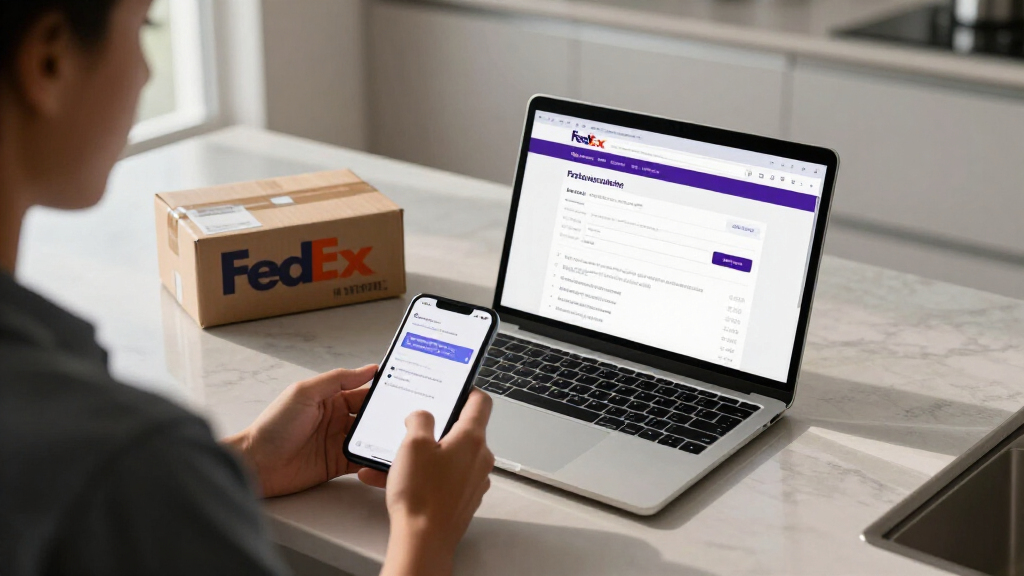
Phishing attacks using FedEx branding persist in 2024, exploiting consumers and businesses. Experts say these scams contribute to ongoing cybersecurity challenges, underscoring the need for vigilance.
Cybersecurity experts have identified a surge in FedEx-themed phishing scams in 2024, demonstrating how scammers continue to exploit the trusted delivery company’s branding to deceive victims. Despite increased awareness efforts, these scams persist, highlighting ongoing vulnerabilities in consumer and business cybersecurity defenses.
Multiple cybersecurity firms, including Proofpoint and Cofense, report a significant increase in phishing emails appearing to originate from FedEx, often claiming package delivery issues or requiring urgent action. These emails typically contain malicious links or attachments designed to steal login credentials or install malware. Experts attribute this trend to scammers leveraging FedEx’s widespread recognition and the ongoing volume of parcel deliveries, especially amid the rise of online shopping.
FedEx itself has issued warnings about these scams, emphasizing that the company does not request sensitive information via email and advising recipients to verify communications directly through official channels. Despite these warnings, many users continue to fall victim, driven by convincing email designs and urgent language that mimics legitimate FedEx alerts. The Federal Trade Commission has also issued alerts about these scams, noting that they remain a common vector for cyberattacks in 2024.
Why FedEx Phishing Attacks Undermine Cybersecurity Efforts
This ongoing phishing activity underscores the challenge of combating sophisticated scams that exploit trusted brands. It illustrates how scammers adapt quickly to current events and consumer behaviors, making awareness and vigilance critical. For individuals and organizations, falling victim to these scams can lead to data breaches, financial loss, and compromised security systems. The persistence of FedEx-themed scams in 2024 highlights the need for continuous cybersecurity education and improved detection tools to prevent widespread damage.
As an affiliate, we earn on qualifying purchases.
Rise of Brand-Targeted Phishing in the Digital Age
Phishing campaigns have long exploited well-known brands to increase their success rate, with FedEx being a frequent target due to its global recognition and high parcel volume. In 2023, cybersecurity reports indicated a steady increase in FedEx-related phishing emails, a trend that has continued into 2024. These scams often mimic official FedEx notifications, using familiar logos, language, and email formats to deceive recipients. The increase aligns with broader cybercrime patterns, where scammers adapt to current events, such as the rise of online shopping and delivery services, to maximize their impact.
Industry experts note that while many organizations have improved their defenses, individual users remain vulnerable due to lack of awareness or failure to verify suspicious messages. The Federal Trade Commission and cybersecurity agencies have repeatedly warned about the dangers of phishing, but the scams evolve rapidly, maintaining their effectiveness.
“FedEx does not request sensitive information via email and urges customers to verify any suspicious communication through our official website or customer service.”
— FedEx spokesperson
As an affiliate, we earn on qualifying purchases.
Extent of Victim Impact and Future Scam Trends
It is not yet clear how many individuals or businesses have fallen victim to these FedEx-themed phishing scams in 2024, or what the full financial and security impacts are. Scammers continually refine their tactics, making it difficult to quantify the scope of ongoing damage. Additionally, the effectiveness of recent awareness campaigns and technical defenses remains under assessment, and the potential for new scam variants is uncertain.
As an affiliate, we earn on qualifying purchases.
Expected Responses and Ongoing Cybersecurity Efforts
Cybersecurity agencies and FedEx are likely to continue public awareness campaigns and technical defenses to combat these scams. Experts recommend that users remain vigilant, verify suspicious emails directly through official channels, and implement multi-factor authentication to reduce risk. Future developments may include more sophisticated detection tools and industry-wide cooperation to identify and shut down scam operations more quickly.
hardware security key for online banking
As an affiliate, we earn on qualifying purchases.
As an affiliate, we earn on qualifying purchases.
Key Questions
How can I identify a FedEx phishing email?
Look for signs such as unexpected delivery notifications, suspicious sender addresses, poor spelling or grammar, and links that do not direct to official FedEx websites. Always verify through FedEx’s official website or customer service.
Why do scammers target FedEx so often?
FedEx’s global recognition and high volume of parcel deliveries make it an attractive target for scams, as recipients are more likely to trust and respond to FedEx-related messages.
What should I do if I suspect I received a scam email?
Do not click any links or download attachments. Report the email to FedEx and your organization’s cybersecurity team if applicable. Delete the email and consider running a security scan on your device.
Are there tools to help detect phishing emails?
Yes, many email providers include spam and phishing filters. Additionally, security software with real-time scanning and training programs can help users recognize and avoid scams.
Source: hn
Fall Picks
fall essentials
As an affiliate, we earn on qualifying purchases.