
Your preference for certain colors reflects your inner personality, emotions, and cultural background. Colors like red, blue, or yellow symbolize traits like passion, calmness, or happiness, shaping how you see yourself and how others perceive you. Environmental influences and personal experiences deepen these associations, making color choices a way to express your self-identity or aspirations. If you explore further, you’ll discover more about how your color choices reveal your unique personality traits.
Key Takeaways
- People associate colors with specific traits that reflect or influence their self-perception and social identity.
- Color preferences serve as non-verbal signals revealing internal traits and personality tendencies.
- Cultural and environmental factors shape emotional responses and the symbolic meaning of colors.
- Wearing or surrounding oneself with certain colors reinforces desired personality traits and self-image.
- Personal experiences and societal norms create a complex interplay that links color choices to personality identity.
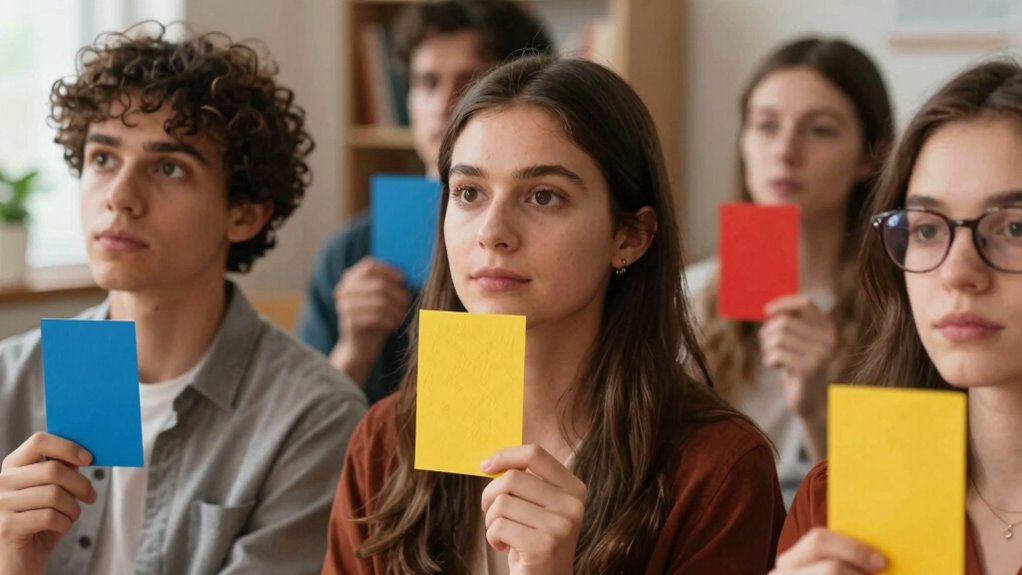
Have you ever wondered why certain colors seem to resonate with you more than others? It’s not just about personal preference; it’s often connected to deeper psychological factors like color symbolism and personality traits. When you’re drawn to a specific hue, it’s usually because that color reflects or influences how you see yourself or how you want others to perceive you. Colors carry meanings—like red symbolizing passion or energy, blue representing calmness or trust, and yellow standing for happiness or optimism. These associations shape your reactions and choices, subconsciously aligning your personality traits with the colors you favor.
Your attraction to particular colors can reveal a lot about your personality traits. For instance, if you’re often drawn to green, you might be seen as balanced, compassionate, or growth-oriented. Conversely, a preference for black might hint at sophistication, independence, or even a desire for mystery. The colors you identify with can act as a visual extension of who you are or who you aspire to be. They serve as a window into your inner world, often reflecting core elements of your personality without you even realizing it. Additionally, your environment and cultural background influence your color associations, further shaping your preferences and how you express your identity. Recognizing the influence of environment on color preferences can deepen your understanding of your personal choices and behaviors.
Understanding the psychological impact of colors can help you better comprehend your own preferences and behaviors. Color symbolism influences your emotional responses, which in turn affect your personality expression. When you wear or surround yourself with a color that aligns with your traits, you reinforce those qualities. For example, someone who gravitates toward orange might be energetic, enthusiastic, and outgoing, while someone who prefers gray may value neutrality, calm, or professionalism. These choices aren’t random; they’re expressions of your internal state and how you want to present yourself to the world. Your color preferences become a sort of non-verbal communication, signaling your personality traits to others without saying a word.
Furthermore, your environment and cultural background shape your color associations, reinforcing your attachment to certain hues. If you grew up in a culture where red symbolizes good luck or celebration, you might be naturally inclined toward that color. Over time, your personal experiences and societal influences weave into your understanding of color symbolism, strengthening your connection to specific colors that resonate with your identity. This connection feeds back into your personality traits, creating a cycle of influence that helps you express your true self or the self you want to project. Additionally, specific wood types used in furniture or decor can subtly influence the ambiance of your environment, affecting your mood and personality expression.
In the end, your choice of a personality color isn’t just about aesthetics; it’s a complex interplay of psychological factors rooted in color symbolism and personality traits. It’s a silent conversation happening inside your mind, guiding your preferences and revealing who you are to the world.

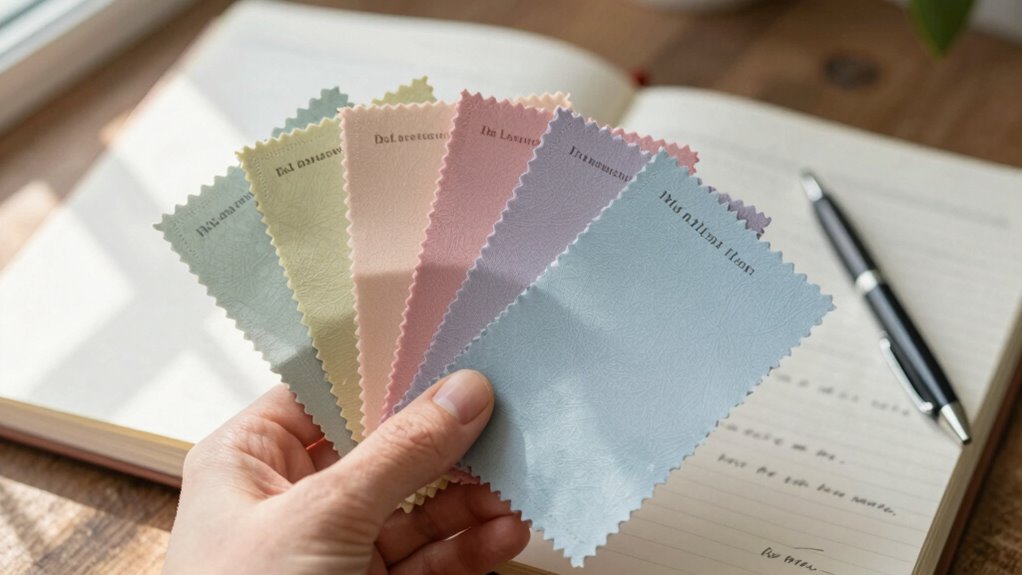
The Luscher Color Test: The Remarkable Test that Reveals Personality Through Color
- Colors: Variety of colors used in the test
As an affiliate, we earn on qualifying purchases.
As an affiliate, we earn on qualifying purchases.
Frequently Asked Questions
How Do Personality Colors Develop Over a Person’s Lifetime?
Your personality colors develop over your lifetime through a mix of experiences, environment, and personal choices. These experiences shape your personality traits, influencing how you relate to different color symbolism. As you encounter new situations, your understanding of yourself deepens, which can shift or reinforce your personality color. Over time, this ongoing process helps you build a unique blend of traits that reflect your evolving self-awareness and life journey.
Can Personality Colors Change With Life Experiences?
Did you know that about 60% of people report their personality color changing over time? Yes, your color perception and emotional associations evolve with life experiences. As you face new challenges and growth, your personality color can shift, reflecting your changing mindset and feelings. This dynamic process shows that personality colors aren’t fixed—your experiences shape and redefine how you see yourself and relate to others.
Are Personality Colors Linked to Specific Personality Disorders?
Personality colors aren’t directly linked to specific personality disorders, but personality color stereotypes can sometimes influence how you see yourself or others. Your color preference might reflect traits or tendencies, yet it doesn’t diagnose or define mental health issues. Color preference therapy uses these associations to help you explore emotions and behaviors, encouraging positive change. Remember, these colors are tools for self-awareness, not labels for disorders.
How Do Cultural Differences Influence Color Personality Associations?
Cultural differences dramatically shape how you associate colors with personality traits, as regional psychology and cultural symbolism vary widely. In some cultures, red symbolizes passion and power, while in others, it signifies danger or warning. These diverse associations influence your perception of personality colors, making them deeply rooted in local beliefs and traditions. This cultural lens creates a vivid tapestry, making color personality connections uniquely meaningful across different societies.
What Role Does Genetics Play in Personality Color Preferences?
Genetics play a significant role in your personality color preferences through genetic predispositions and inherited traits. These biological factors influence your temperament, emotional tendencies, and behavioral patterns, which align with specific colors. For example, if you have inherited traits like extroversion or calmness, you’re more likely to prefer vibrant or soothing colors. Your genetic makeup shapes how you connect with certain colors, reflecting your innate personality traits.

SLP Your Words Matter Speech Therapy Support Comfort Colors Adult Heavyweight T-Shirt
- Message: Your Words Matter speech therapy support
- Design: Cheerful floral elements and retro aesthetic
- Target Audience: Speech therapists, SLP students, professionals
As an affiliate, we earn on qualifying purchases.
As an affiliate, we earn on qualifying purchases.
Conclusion
Just like a chameleon blends into its surroundings, your personality color reflects your inner landscape—shaping how you see yourself and connect with others. Embrace this hue as a symbol of your unique essence, a vibrant thread woven into the fabric of your identity. When you understand your color, you reveal a deeper self-awareness, guiding you through life’s palette with confidence and authenticity. After all, your true colors are the brushstrokes of your soul.

kanpura 2 Pcs Purple Crystal Butterfly Figurines, Glass Butterfly Statues
- Symbol of Hope and Happiness: Represents life, luck, and positivity
- Crystal Butterfly Dimensions: 1.8 x 2.4 inches per piece
- Material and Craftsmanship: Made from K9 crystal, handcrafted, flawless
As an affiliate, we earn on qualifying purchases.
As an affiliate, we earn on qualifying purchases.

Personal Color: The Definitive Guide to Finding and Wearing Your Best Colors
As an affiliate, we earn on qualifying purchases.
As an affiliate, we earn on qualifying purchases.