
To interpret a 16PF profile without overreacting, stay calm and approach the results with curiosity. Focus on understanding the overall personality traits instead of fixating on isolated scores. Remember, traits are tendencies, not fixed labels, and external factors influence them. Maintain emotional regulation and consider the broader context of the assessment. Keep a balanced view of strengths and challenges, and if you continue exploring, you’ll gain deeper insights to support your understanding.
Key Takeaways
- Approach the profile with curiosity, focusing on insights rather than judgment or fixed labels.
- Consider the assessment context and remember traits are tendencies, not absolutes.
- Understand technical terminology and external influences that shape the results.
- Balance strengths and challenges, avoiding emotional reactions to negative scores.
- Take time to review results calmly, discussing them for growth rather than reacting impulsively.
Reading a 16PF profile can feel overwhelming, especially if you’re unfamiliar with personality assessments. The detailed scores and complex terminology can make you feel unsure about what they really mean. However, with a clear approach, you can interpret the results without overreacting. The key is to focus on understanding personality interpretation as a whole, rather than fixating on isolated scores. Remember, these profiles offer insights into tendencies, not definitive labels of someone’s character. It’s natural to feel concerned about what the results say, but maintaining emotional regulation helps you stay calm and objective. When you approach the profile with curiosity instead of judgment, you’re more likely to see the bigger picture.
Approach 16PF results with curiosity and calmness to see the full picture without overreacting.
As you review the profile, start by considering the context of the assessment. Who took it, and what was the purpose? Knowing this helps you interpret the results more accurately and prevents jumping to conclusions. Focus on the broad traits indicated by the profile, such as extraversion, openness, or emotional stability. These aren’t fixed traits but rather tendencies that can fluctuate depending on circumstances. When you see high or low scores, try to understand what they suggest about the person’s behavior without overreacting. For example, a low score in emotional regulation might indicate a person who’s more prone to stress or mood swings, but it doesn’t mean they are incapable of managing emotions—it just highlights areas where they might need support or development. Recognizing the complex terminology used in profiles can help prevent misinterpretation and promote more accurate understanding. Additionally, being aware of the role of contextual factors can help you see how external influences shape personality traits over time. Understanding the interplay of traits and environment can further refine your interpretation and avoid simplistic conclusions. Exploring the influence of situational factors can also shed light on how external circumstances impact the traits displayed in the profile. Incorporating a holistic view of personality ensures you consider all aspects of the profile rather than focusing solely on individual scores.
It’s important to remember that personality interpretation is nuanced. Instead of reacting emotionally to what might seem like “bad” scores, consider the strengths and positive traits also present in the profile. Focus on a balanced view that recognizes both challenges and assets. This balanced perspective helps you stay grounded and prevents overinterpretation. If you find yourself feeling anxious or judgmental, pause and remind yourself that everyone has areas to grow. The profile isn’t a verdict—it’s a tool for understanding, not a label.
Finally, keep emotional regulation in mind as you review the profile. Take your time and avoid rushing to conclusions. If you’re feeling overwhelmed, step back and breathe. Discuss the results with a colleague or the person involved, framing the conversation around growth and potential rather than deficiencies. By approaching the profile with calmness and clarity, you’ll be better equipped to interpret it thoughtfully and compassionately, avoiding unnecessary overreactions. Remember, a 16PF profile is a starting point for understanding personality, not an endpoint for judgment.

Essentials of 16PF Assessment
As an affiliate, we earn on qualifying purchases.
As an affiliate, we earn on qualifying purchases.
Frequently Asked Questions
What Is a 16PF Profile Used for in Employment?
A 16PF profile helps you gain valuable personality insights to assess employment suitability. You use it to understand a candidate’s traits, strengths, and potential behavior in the workplace. This assessment enables you to make better hiring decisions by matching personality profiles with job requirements. It also helps you identify whether someone’s personality aligns with your team culture, ultimately supporting more successful and harmonious employment relationships.
How Long Does It Take to Complete a 16PF Assessment?
The 16PF assessment typically takes about 30 to 50 minutes to complete, depending on your personality traits and how quickly you work through the questions. You might find that the test duration is manageable, as it’s designed to gauge various traits efficiently. Make sure you’re in a comfortable environment, avoid rushing, and answer honestly to get the most accurate results.
Can a 16PF Profile Predict Job Performance?
A 16PF profile offers valuable personality insights, but it’s not a crystal ball for predicting job performance. Remember, “don’t judge a book by its cover.” While the assessment has good predictive validity for certain traits, it’s just one piece of the puzzle. Use it alongside interviews and experience to get a clearer picture of a candidate’s potential, rather than relying solely on the profile.
Are There Different Versions of the 16PF Test?
You’ll find that there are different versions of the 16PF test, mainly due to test variations and scoring methods. Some versions are designed for specific populations, like clinical or organizational settings, and may include additional scales. The core structure remains consistent, but variations can influence how results are scored and interpreted. Knowing these differences helps guarantee you understand the context and purpose of each version, leading to more accurate insights.
How Accurate Are 16PF Results Across Cultures?
You might worry about cross-cultural validity, but the 16PF results are generally reliable across diverse backgrounds. While cultural biases can influence responses, modern versions incorporate norms from various populations to improve accuracy. Think of it like adjusting a camera lens—when properly calibrated, it captures a clear picture regardless of the scene. So, with careful interpretation, you can trust the 16PF to provide meaningful insights across cultures.

The Book Thief
Paperback
As an affiliate, we earn on qualifying purchases.
As an affiliate, we earn on qualifying purchases.
Conclusion
So, next time you see a 16PF profile, remember—it’s just a colorful personality mosaic, not a crystal ball predicting your future. Don’t let those scores turn you into a drama queen or king. Keep your cool, embrace the quirks, and laugh at the overreactions. After all, if personality tests could forecast everything, we’d all be living in a sitcom. Stay savvy, stay sane, and keep reading profiles without losing your mind!
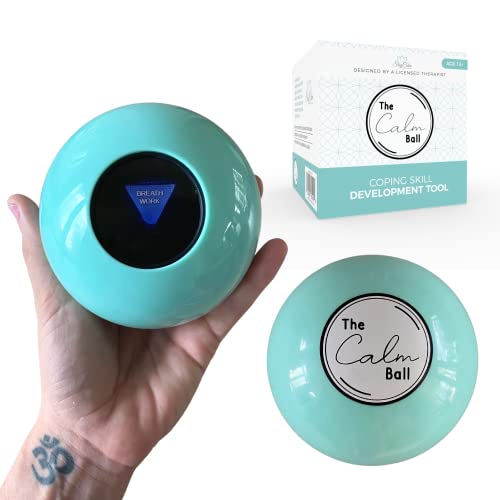
The Calm Ball – Therapist-Designed Coping Skills Magic 8 Ball with 20 Calming Strategies & Guidebook – Emotional Regulation Tool & Mental Health Gift for Teens, Adults, Therapists & Classrooms
🎱 Fun and Engaging Therapist-Designed Tool: The Calm Ball is an innovative spin on a classic toy, resulting…
As an affiliate, we earn on qualifying purchases.
As an affiliate, we earn on qualifying purchases.

Professional Advanced 9D NLS Analyzer with USB Dongle Analysis English Pro Software with Suitcase for People
The latest database, the result is more accurate, more than 90%. The detection of food, medicines and health…
As an affiliate, we earn on qualifying purchases.
As an affiliate, we earn on qualifying purchases.