
Long passphrases are easier to remember and type than complex passwords, making them a practical choice for security. They increase the number of possible combinations, strengthening defenses against brute-force attacks. Because they are memorable, you’re less likely to write them down insecurely, reducing theft risks. They also encourage better password habits and can be longer and more unique without sacrificing usability. To discover how they balance security and convenience, keep exploring the advantages they offer.
Key Takeaways
- Long passphrases are easier to remember and reduce the likelihood of password theft due to better recall.
- They offer increased security by expanding the number of possible combinations, making brute-force attacks more difficult.
- Passphrases promote better password hygiene by decreasing reliance on insecure note-taking or storage methods.
- They enable the creation of strong, unique passwords without sacrificing memorability or simplicity.
- Longer passphrases balance security and usability, encouraging consistent and effective online account protection.
Long passphrases offer a simple yet powerful way to enhance your online security. Unlike short, complex passwords that can be hard to remember and easy to forget, long passphrases are designed to be easier memorization while providing better security. When you create a passphrase composed of multiple words or a sentence, it becomes more memorable because it resembles familiar language or a phrase you already know. This means you’re less likely to write it down or reuse it across different sites, reducing the risk of security breaches. Plus, because they are longer, passphrases naturally increase the number of possible combinations, making them much harder for hackers to crack using brute-force methods.
Long passphrases boost security and are easier to remember than complex passwords.
You might think that longer means more complex, but that’s not always the case. Passphrases don’t need to be complicated strings of symbols and numbers that are difficult to recall. Instead, they rely on the length and a combination of words or phrases that make sense to you but are tough for others to guess. For example, a passphrase like “BlueSky*Mango*River$2024” is both memorable and secure, but a simple phrase like “correct horse battery staple” is even more effective because it’s easy to remember yet contains enough length to thwart most hacking attempts. The key is to choose something that’s meaningful to you but hard for someone else to decipher. Passive voice detection can help ensure your writing remains clear and direct.
Moreover, because long passphrases are easier memorization, you’re less tempted to write them down or store them insecurely. This considerably reduces the risk of password theft through physical or digital theft of your notes. When you remember your passphrase effortlessly, you can focus on creating unique, strong passphrases for different accounts without the anxiety of forgetting them. The combination of ease and security means you’re more likely to maintain good password habits, which is vital for protecting your personal information.
Long passphrases also encourage better security practices overall. They make it feasible to avoid common, easily guessable passwords like “password123” or “qwerty,” which are often used by many and offer little protection. Instead, you can craft longer, more complex phrases that are unique to you, considerably boosting your defenses against hacking attempts. The longer the passphrase, the more difficult it becomes for attackers to use automated tools to break into your accounts. In the end, long passphrases strike the perfect balance—being easier to remember and providing a higher level of security, making them an excellent choice for safeguarding your online life.

Crypto Passphrase Journal: A Cryptocurrency Recovery Phrase Cold Storage Wallet and Password manager
As an affiliate, we earn on qualifying purchases.
As an affiliate, we earn on qualifying purchases.
Frequently Asked Questions
How Do Long Passphrases Compare to Multi-Factor Authentication?
Long passphrases offer a different layer of security compared to multi-factor authentication (MFA). While MFA combines biometric data and password manager integration for strong protection, passphrases are easier to remember and resist brute-force attacks. You can use long passphrases with your password manager for convenience, but MFA with biometrics adds an extra security level, making it even harder for attackers to access your accounts.
Are Long Passphrases Easier to Remember Than Complex Passwords?
A stitch in time saves nine, and long passphrases can be easier to remember than complex passwords. You can use mnemonic strategies to reinforce your passphrase, reducing cognitive load. Unlike random, complex passwords, a meaningful phrase sticks in your mind more naturally. So, with a bit of practice, you’ll find long passphrases more memorable, making it simpler to maintain strong security without the frustration of forgetting complex strings.
Can Long Passphrases Be Used Across All Digital Platforms?
Yes, long passphrases can be used across all digital platforms, but you need to guarantee cross-platform compatibility and passphrase consistency. Some sites may have character limits or restrictions, so check their requirements. To maximize security and ease of use, opt for passphrases that work well everywhere and remember them easily. Using a password manager can help you maintain consistency across platforms without compromising security.
What Are the Common Mistakes When Creating Long Passphrases?
You might make mistakes when creating long passphrases by choosing phrases that are too obvious or easy to guess. Avoid using common sayings or personal information. Remember, passphrase length adds security, so don’t shorten it for convenience. Unlike passwords, lengthy passphrases are more secure, but they still need to be unique. Focus on combining unrelated words and avoid patterns, ensuring your passphrase remains strong and effective.
How Often Should I Change My Long Passphrase for Optimal Security?
You should change your long passphrase every 6 to 12 months to maintain ideal security. Regular password rotation helps protect against potential breaches, especially if your passphrase’s longevity is tested over time. If you notice any suspicious activity or think your passphrase might be compromised, change it immediately. Maintaining a routine for password rotation ensures your passphrase remains strong and effective in safeguarding your accounts.
memorably secure passphrase generator
As an affiliate, we earn on qualifying purchases.
As an affiliate, we earn on qualifying purchases.
Conclusion
By choosing long passphrases over complex passwords, you gain better security, greater memorability, and easier management. You enhance your protection, simplify your life, and reduce frustration. You create a strong defense, build confidence, and enjoy peace of mind. Long passphrases empower you to stay secure, remember effortlessly, and manage efficiently. Make the switch today, embrace the strength of length, and enjoy the benefits of a safer, simpler digital life.

FIDO2 U2F Security Key Passkey Two-Factor Authentication (2FA) USB Key PIN+Touch (Non-Biometric) USB-A Type TrustKey T110
Security Key : Protect your online accounts against unauthorized access by using FIDO2 and U2F authentication with T110….
As an affiliate, we earn on qualifying purchases.
As an affiliate, we earn on qualifying purchases.
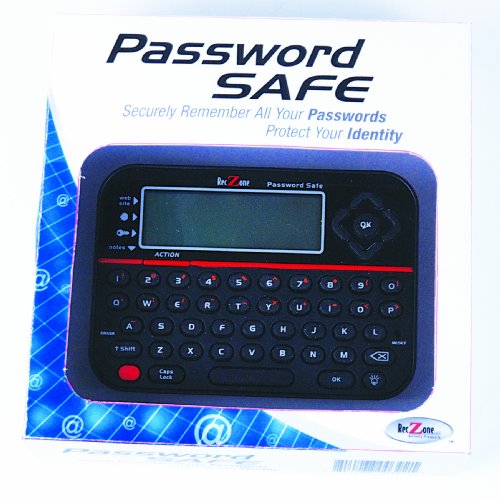
Password Safe
Deluxe Password Safe
As an affiliate, we earn on qualifying purchases.
As an affiliate, we earn on qualifying purchases.