

In 2025, educational puzzle apps focus on making learning engaging through game design that balances challenge and fun while providing immediate feedback. They personalize experiences with adaptive algorithms that match your skill level and integrate compelling storytelling to immerse you in larger adventures. Social features like leaderboards and multiplayer modes motivate ongoing participation. Plus, gamification techniques boost motivation, making these apps dynamic platforms that foster curiosity and continuous learning. Keep exploring to uncover more about these innovative features.
Key Takeaways
- Adaptive difficulty algorithms personalize challenges to maintain optimal engagement and accommodate individual learning paces.
- Immersive storytelling integrates puzzles into compelling narratives, enhancing emotional connection and contextual understanding.
- Advanced social features, including multiplayer modes and leaderboards, foster collaboration, competition, and community building.
- Gamification elements like badges, points, and exclusive rewards motivate continuous participation and long-term retention.
- Seamless user experiences combine engaging visuals, sounds, and interactive challenges for fun, effective, and intuitive learning.
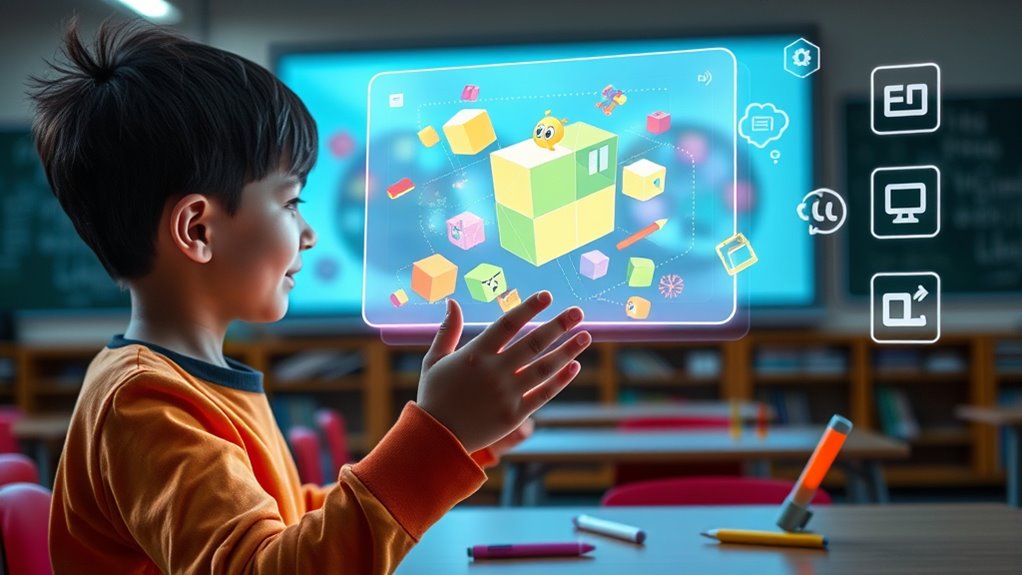
As technology continues to evolve rapidly, educational puzzle apps in 2025 are transforming the way learners engage with new concepts. These apps are designed with innovative game design principles that aim to make learning both fun and effective. You’ll notice that modern puzzle apps emphasize seamless user experiences, integrating visuals, sounds, and interactive challenges that keep you hooked from start to finish. The core idea is to foster user engagement by creating immersive environments where curiosity is sparked, and learning feels effortless. Game design here isn’t just about aesthetics; it involves carefully balancing difficulty levels, providing immediate feedback, and rewarding progress to motivate continued play. This strategic approach guarantees that you remain invested, eager to solve the next puzzle, and absorb the educational content embedded within each challenge.
In 2025, developers have moved beyond simple quizzes and static tasks. They incorporate adaptive algorithms that respond to your skill level, adjusting puzzles in real-time to match your progress. This personalization keeps you challenged without feeling overwhelmed, maintaining a steady flow of engagement. The game design also integrates storytelling elements, making puzzles part of larger narratives that resonate emotionally, which deepens your connection to the material. Whether it’s exploring ancient civilizations or mastering complex math concepts, the apps craft engaging stories around each puzzle, transforming learning into an adventure rather than a chore. This narrative-driven approach heightens user engagement by making you feel like an active participant in a larger quest, rather than just a passive recipient of information.
Moreover, these apps leverage social features that encourage collaboration and competition. Multiplayer modes, leaderboards, and shared challenges motivate you to keep working on puzzles, fostering a sense of community and healthy competition. This social integration taps into your natural desire for recognition and achievement, further increasing engagement levels. Developers also incorporate gamification techniques such as badges, points, and exclusive content to reward perseverance and mastery. These features tap into your intrinsic motivation, making you want to return to the app regularly. Additionally, attention plays a crucial role in maintaining high levels of engagement and effectiveness within these platforms. The game design focuses on creating a balanced mix of challenge, reward, and storytelling, which together drive sustained user engagement and make the learning experience truly captivating. In 2025, educational puzzle apps are not just tools—they’re dynamic platforms that harness cutting-edge game design to keep you motivated, curious, and eager to learn more.

Puzzle Kids – Animals Shapes and Jigsaw Puzzles
Features:
As an affiliate, we earn on qualifying purchases.
As an affiliate, we earn on qualifying purchases.
Frequently Asked Questions
How Do Educational Puzzle Apps Personalize Learning Experiences?
You experience personalized learning in educational puzzle apps through adaptive learning, which adjusts difficulty levels based on your progress. Gamification strategies motivate you by rewarding achievements and making learning fun. These apps analyze your strengths and weaknesses, tailoring puzzles to challenge you appropriately. As you advance, the app fine-tunes content, keeping you engaged and ensuring that your learning journey is both effective and enjoyable.
What Are the Latest Security Features in Educational Puzzle Apps?
You’ll find that the latest security features in educational puzzle apps include robust data encryption, which protects your personal information from unauthorized access, and biometric authentication, like fingerprint or facial recognition, ensuring only you can access your account. These measures keep your learning experience safe and private, giving you peace of mind while focusing on solving puzzles and mastering new skills.
How Do Apps Integrate With Classroom Curricula Effectively?
You can effectively integrate educational puzzle apps into your classroom curricula by using gamification strategies that motivate students and make learning engaging. Align app activities with lesson goals and encourage teacher integration by incorporating app-based tasks into your lesson plans. Regularly monitor student progress through app analytics, adapt activities as needed, and foster collaboration to enhance understanding, ensuring the apps complement your teaching methods seamlessly.
Are There Accessibility Options for Students With Disabilities?
Yes, educational puzzle apps include accessibility options for students with disabilities. You can activate text-to-speech features to help students with reading challenges, and color blind modes ensure that visual content is discernible for those with color vision deficiencies. These features promote inclusivity, allowing all students to engage fully with learning activities. By incorporating these options, you create an equitable learning environment that meets diverse needs.
What Are the Costs Associated With Premium Educational Puzzle App Features?
Imagine you’re in 2025, and premium features come with subscription pricing or in-app purchases. You can expect costs to range from $5 to $20 monthly, depending on the app’s complexity and content. Some apps offer tiered plans, giving you access to extra puzzles, personalized feedback, or ad-free experiences. Keep an eye out for offers or bundles that can save you money while enhancing your learning adventure.

Math & Logic – #1 Adaptive Brain Training for Children, Toddlers and Preschoolers 2 to 8 Years of Age: Education Games, Art Activities and Learning Puzzles
All math exercises are completely FREE
As an affiliate, we earn on qualifying purchases.
As an affiliate, we earn on qualifying purchases.
Conclusion
Think of educational puzzle apps in 2025 as your trusty compass on a journey. They guide you through a landscape of knowledge, revealing hidden treasures with each challenge. As you navigate this vibrant world, you become the explorer, discovering new skills and ideas along the way. Embrace these tools, and you’ll find yourself reaching destinations of understanding faster than ever—turning learning into an exciting adventure that never truly ends.

QuTZ Talking Pen Book Set, Learn to Read Sound Books, Learning Toys with 8 Tap to Read Books, 600+ Words & Fun Facts, 6 Phonics Story Books, 700+ Games, Educational Toy for Kids 3+ (Cardboard Version)
♥︎ Tap to learn! ♥︎ – This all-in-one talking pen book set includes a reading pen (pre-loaded with…
As an affiliate, we earn on qualifying purchases.
As an affiliate, we earn on qualifying purchases.

Spin Master Games, Tetris: The Board Game, Play The Classic Puzzle Game Tetris in Real Life, Multiplayer Head-to-Head Puzzle Challenge, 2-4 Players, Stocking Stuffer Gift Ideas for Ages 8 & Up
Tabletop Strategy Game: Bring the fun of the classic digital game to the tabletop & experience the fun…
As an affiliate, we earn on qualifying purchases.
As an affiliate, we earn on qualifying purchases.