
Emerging privacy technologies like homomorphic encryption and secure computation let you analyze sensitive data without exposing it. Homomorphic encryption allows computations directly on encrypted data, while secure multi-party computation enables multiple parties to collaborate without revealing their inputs. These tools protect individual privacy while still revealing valuable insights. Combining them creates a strong privacy framework that addresses data risks and supports safe data sharing. Keep exploring to discover how these innovations reshape secure data use.
Key Takeaways
- Homomorphic encryption enables performing computations directly on encrypted data without decryption, enhancing privacy during data processing.
- Secure computation techniques, such as multi-party computation (MPC), allow parties to collaborate on data analysis while keeping inputs confidential.
- Combining homomorphic encryption with secure computation provides a layered privacy approach, reducing exposure risks during data sharing and analysis.
- These emerging privacy technologies support compliance with data protection regulations and maintain user trust in data-driven applications.
- They enable organizations to analyze sensitive data securely, fostering innovation while safeguarding individual privacy.

As digital privacy concerns grow, emerging privacy technologies are revolutionizing how individuals and organizations protect their data. You now have powerful tools like multi-party computation and differential privacy that allow you to share insights without exposing sensitive information. Multi-party computation (MPC) enables multiple parties to collaborate on data analysis while keeping their inputs private. Instead of revealing raw data, each participant processes their information locally and only shares encrypted or masked results. This means you can work together with others—say, in healthcare research or financial analysis—without risking data breaches or exposing personal details. MPC guarantees that no single party has access to the complete dataset, maintaining confidentiality throughout the process.
Differential privacy, on the other hand, offers a way to analyze data sets and share results without compromising individual privacy. When you implement differential privacy, you introduce carefully calibrated noise into your data or outputs so that it’s impossible to identify specific individuals. For example, if you’re releasing statistics about user behavior or survey responses, differential privacy guarantees that individual responses can’t be reverse-engineered from the published data. This technology strikes a balance between data utility and privacy, enabling organizations to glean valuable insights while respecting user confidentiality. Whether you’re developing machine learning models or releasing aggregated data, differential privacy helps you stay compliant with privacy regulations and build trust with your users.
Together, these technologies are transforming the landscape of data security. You no longer have to choose between data utility and privacy; advanced methods like MPC and differential privacy let you harness the power of data responsibly. Homomorphic encryption, another emerging privacy tech, complements these by allowing computations on encrypted data without decrypting it, further reducing privacy risks. When you use homomorphic encryption alongside MPC and differential privacy, you create a layered defense that makes unauthorized data access exceedingly difficult. Additionally, understanding the importance of plant health issues like overwatering and pests can help you better manage your aloe vera or other plants, ensuring their vitality and safety.
In practice, adopting these technologies means you can collaborate across organizations, analyze sensitive data, and share insights confidently. They empower you to innovate without exposing your users or partners to unnecessary risk. As privacy regulations tighten and concerns about data misuse grow, leveraging multi-party computation and differential privacy becomes essential. These tools not only protect individual rights but also enable you to access the full potential of your data in a secure, responsible way.

Cryptography Algorithms: Explore New Algorithms in Zero-knowledge, Homomorphic Encryption, and Quantum Cryptography
As an affiliate, we earn on qualifying purchases.
As an affiliate, we earn on qualifying purchases.
Frequently Asked Questions
How Does Homomorphic Encryption Impact Real-Time Data Processing?
Homomorphic encryption allows you to process data securely without decrypting it, but it can increase data latency due to encryption overhead. This means real-time processing might slow down because calculations on encrypted data are more resource-intensive. You’ll need to balance privacy benefits with performance needs, as higher encryption overhead can impact the speed of your data workflows, especially when handling large volumes or requiring instant responses.
What Are the Main Limitations of Current Secure Computation Methods?
You face main limitations like high computational overhead and complex key management in current secure computation methods. The heavy processing demands slow down performance, especially with large datasets, making real-time applications challenging. Additionally, managing encryption keys securely across multiple parties adds complexity. These issues hinder scalability and ease of use, requiring ongoing research to optimize efficiency and streamline key handling for broader adoption.
How Do Privacy Technologies Affect System Performance and Scalability?
Privacy technologies impact your system by increasing overhead, which can slow down processes and require more resources. As you implement these methods, scalability challenges arise because handling larger data sets or multiple users becomes more complex and resource-intensive. You might notice delays or higher costs, making it harder to maintain performance at scale. To address this, you need to find a balance between privacy protections and system efficiency.
Are There Any Legal or Ethical Concerns With Homomorphic Encryption?
You should be aware that homomorphic encryption raises legal and ethical concerns, especially regarding data sovereignty and regulatory compliance. While it enables secure data processing, it can complicate adherence to data protection laws and transparency requirements. You need to carefully evaluate how implementing this technology aligns with legal standards and ethical practices to make sure that sensitive information remains protected and compliant with jurisdictional regulations.
What Industries Are Most Likely to Benefit Immediately From These Technologies?
You’ll find that financial services and healthcare innovation benefit most immediately from these technologies. In finance, you can securely perform risk assessments and fraud detection without exposing sensitive data. Healthcare providers can collaborate on patient data while maintaining privacy, accelerating research and personalized treatment. These technologies enable you to process encrypted data seamlessly, ensuring compliance and boosting trust, making them invaluable across these sectors right now.

Mini Precision Screwdriver Set,JAKEMY 180 in 1 Laptop Screwdriver Repair Tool Kit,Magnetic Multi-Bit Tiny Screwdriver Bit Kit for DIY,Computer,PS5,Xbox,RC Car,Jewelers,Glasses,Watch,Home
【WIDER APPLICATION SCREWDRIVER SET】 This small screwdriver set equipped with professional electronic screwdriver repair kit bits and home…
As an affiliate, we earn on qualifying purchases.
As an affiliate, we earn on qualifying purchases.
Conclusion
As you embrace emerging privacy technologies like homomorphic encryption and secure computation, you unseal a future where your data remains protected like a fortress behind unbreakable walls. These innovations aren’t just tools—they’re your shield in a digital world full of shadows. By harnessing their power, you paint a landscape of trust and security, turning the unknown into a safe haven. Together, you and technology forge a brighter, more private tomorrow.

Hands-On Differential Privacy: Introduction to the Theory and Practice Using OpenDP
As an affiliate, we earn on qualifying purchases.
As an affiliate, we earn on qualifying purchases.
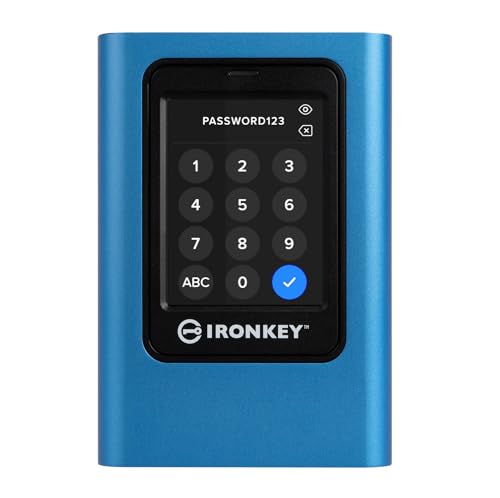
Kingston IronKey Vault Privacy 80 960GB External SSD | FIPS 197 | XTS-AES 256GB Encrypted | Touch Screen PIN | Secure Data Protection | IKVP80ES/960G
FIPS 197 Certified with XTS-AES 256-bit Encryption
As an affiliate, we earn on qualifying purchases.
As an affiliate, we earn on qualifying purchases.