
You have the right to know how your personal information is protected, managed, and shared. Laws like GDPR and CCPA give you the power to access, correct, or delete your data, and they require organizations to be transparent about their practices. Strong encryption standards and breach notifications help safeguard your information and keep you informed about potential risks. Staying aware of these rights empowers you to take control of your privacy — if you continue, you’ll learn more about your options.
Key Takeaways
- Consumers have the right to access, correct, or delete their personal data under laws like GDPR and CCPA.
- Awareness of encryption standards, such as AES, boosts confidence in data security and online privacy.
- Organizations are legally obligated to notify individuals promptly about data breaches affecting their information.
- Transparency in data collection and security practices builds consumer trust and enables informed decision-making.
- Understanding legal rights and security measures empowers consumers to protect their privacy and hold organizations accountable.
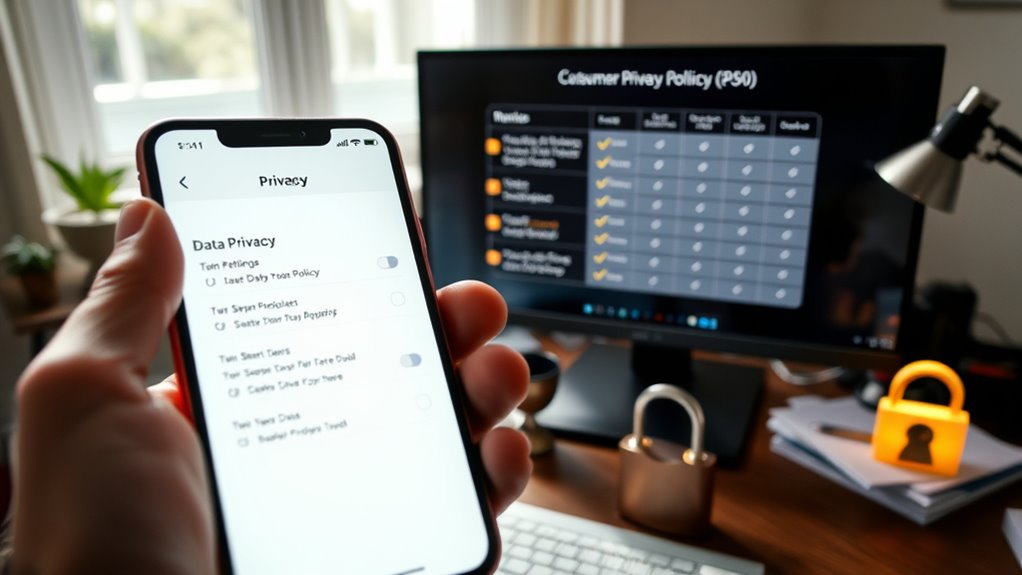
Have you ever wondered how much of your personal information is actually protected online? In today’s digital world, your data is constantly at risk, making it essential to understand your rights and the measures in place to safeguard your privacy. One key aspect of this protection involves encryption standards, which are protocols used to secure data as it travels across the internet or is stored on devices. Strong encryption standards, like AES (Advanced Encryption Standard), help prevent unauthorized access, ensuring that sensitive information such as passwords, financial details, and personal identifiers stay confidential. When organizations implement robust encryption, they make it considerably harder for hackers to intercept or decipher your data, giving you peace of mind that your information remains protected during transmissions.
Strong encryption like AES keeps your sensitive data safe from hackers during online transmission.
However, despite these security measures, data breaches still occur. When they do, organizations are legally required to provide data breach notifications, informing affected individuals about the breach and the type of data compromised. These notifications are vital because they empower you to take immediate steps to protect yourself, such as changing passwords or monitoring your financial statements for suspicious activity. Knowing that organizations must notify you in a timely manner helps you stay aware of potential risks and respond swiftly to minimize any damage. It also encourages companies to prioritize stronger security protocols, including better encryption standards, to prevent future breaches. Awareness of these security practices, including encryption standards, can help you better evaluate the trustworthiness of organizations handling your data.
As a consumer, your awareness of these protections isn’t just about understanding technical terms; it’s about recognizing your rights. Regulations like the General Data Protection Regulation (GDPR) in Europe or the California Consumer Privacy Act (CCPA) in the U.S. give you legal authority to access your data, request corrections, or even demand that companies delete your information altogether. These laws also require organizations to be transparent about how they collect and use your data, and to implement security measures that meet established standards. When a data breach occurs, these regulations often mandate detailed notifications, so you’re not left in the dark. By staying informed about your rights and the security standards organizations must follow, you can hold companies accountable and make smarter choices about sharing your information.
Ultimately, being aware of encryption standards and data breach notifications puts you in a stronger position to protect your personal data. You don’t have to be a cybersecurity expert to understand the basics; just knowing that your data is encrypted with strong standards and that organizations are legally obliged to inform you about breaches can make a notable difference. It encourages both consumers and companies to prioritize privacy and security, fostering a safer digital environment where your rights are respected and your personal information isn’t left vulnerable.

The Design of Rijndael: AES – The Advanced Encryption Standard
Used Book in Good Condition
As an affiliate, we earn on qualifying purchases.
As an affiliate, we earn on qualifying purchases.
Frequently Asked Questions
How Can I Verify a Company’s Data Privacy Practices?
You can verify a company’s data privacy practices by reviewing their privacy policy and looking for privacy audits and compliance certifications. Ask if they undergo regular privacy audits and check for certifications like GDPR, ISO 27001, or CCPA compliance. Reach out directly to ask about their data protection measures. Trustworthy companies are transparent about their practices and willing to share their certifications and audit results with you.
What Steps Should I Take if My Data Is Breached?
If your data is breached, act quickly—over 60% of victims don’t recover their personal data easily. Start with a data breach response: change passwords, monitor accounts, and notify relevant companies. Report the incident to authorities if needed. For personal data recovery, document everything, freeze credit reports, and consider identity theft protections. Staying proactive helps limit damage and regain control of your privacy swiftly.
Are There Specific Rights for Children’s Data Privacy?
Yes, children have specific data privacy rights. You need to get children’s consent before collecting their data, especially for those under 13, in compliance with laws like COPPA. Parental rights allow you, as a parent or guardian, to access, review, and delete your child’s data. Always guarantee you understand these rights and actively oversee how your child’s information is used to protect their privacy effectively.
How Do International Data Privacy Laws Differ?
International data privacy laws differ mainly in how they handle Cross border Data Regulations and Cultural Privacy Norms. You’ll find some countries, like the EU, enforce strict rules, requiring data localization and transparency, while others may have more lenient standards. Cultural Privacy Norms influence what’s considered private, shaping laws accordingly. You need to stay informed about regional laws to guarantee compliance and protect your data across borders effectively.
Can I Opt Out of Targeted Advertising Effectively?
Yes, you can opt out of targeted advertising effectively by using data privacy tools and exploring opt-out options. Many platforms and ad networks offer settings to limit personalized ads, so you should review privacy settings on social media and ad services. Installing ad blockers or privacy extensions can also help. Regularly updating your preferences guarantees your data isn’t used for targeted ads, giving you more control over your online experience.
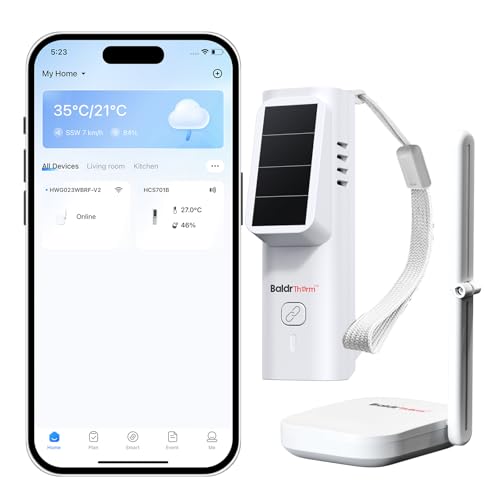
BaldrTherm Smart WiFi Hygrometer Thermometer 1 Pack, Wireless Temp Humidity Monitor with App Alert Notifications, Historical Data Storage & Remote Tracking, for Bedroom, Wine Cellar, Basements
Ultra-Fast & Highly Accurate Temperature & Humidity Monitoring: Proactively respond to air quality changes with our thermometer hygrometer,…
As an affiliate, we earn on qualifying purchases.
As an affiliate, we earn on qualifying purchases.
Conclusion
Remember, your data is like a precious key—you hold the power to open or lock your privacy. By staying aware and informed, you become the guardian of your digital castle. Don’t let others turn the lock without your permission; take control and demand your rights. Your awareness is the shield that keeps your personal world safe from unauthorized access. Guard your data like a treasure, and let your knowledge be the beacon guiding your privacy journey.

Identity Theft Protection Roller Stamp – Confidential Privacy Information Stamp & Address Blocker Secure Your Personal Data(with 9 Pack Refillable Ink)
★Protect Your Personal Information: Our identity theft protection roller stamp is a quiet and efficient alternative to shredders….
As an affiliate, we earn on qualifying purchases.
As an affiliate, we earn on qualifying purchases.
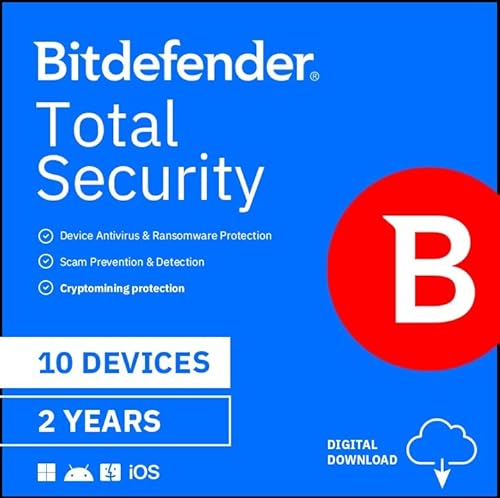
Bitdefender Total Security – 10 Devices | 2 year Subscription | PC/MAC |Activation Code by email
SPEED-OPTIMIZED, CROSS-PLATFORM PROTECTION: World-class antivirus security and cyber protection for Windows, Mac OS, iOS, and Android. Organize and…
As an affiliate, we earn on qualifying purchases.
As an affiliate, we earn on qualifying purchases.