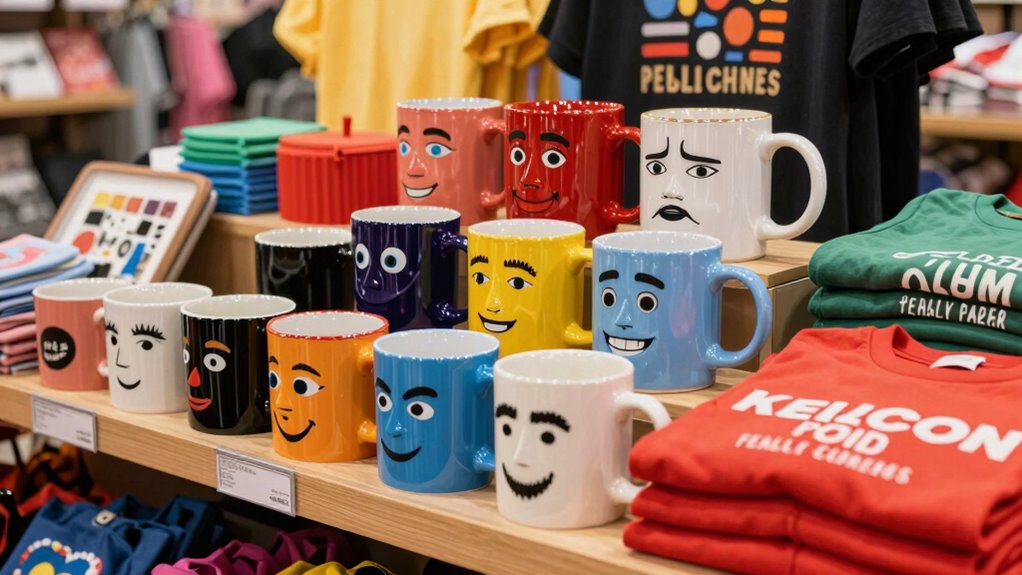

You might feel caught in a cycle where shopping becomes a way to express your identity or handle emotions like boredom or stress. Often, impulsive buys give a quick boost but don’t satisfy long-term needs or values. This cycle can make you rely on possessions for temporary happiness, reinforcing a belief that your worth depends on what you own. If you stay curious, you’ll discover how understanding these patterns can help you break free from this trap.

Get privacy and security gear delivered free — and shop member deals
- Fast, free delivery on millions of items
- Access to Prime Big Deal Days deals on October 6–7
- Prime Video, Amazon Music and more included
Key Takeaways
- People often mistake impulsive shopping as genuine self-expression, reinforcing identity through emotionally driven purchases.
- Emotional triggers like boredom or stress prompt repeated, unplanned buying to temporarily boost mood.
- Shopping becomes a cycle of emotional regulation, linking possessions to self-worth and happiness over time.
- External influences, such as marketing and digital trends, heighten emotional responses and habitual shopping patterns.
- This cycle leads to regret and clutter, as purchases are based on emotions rather than authentic needs or values.
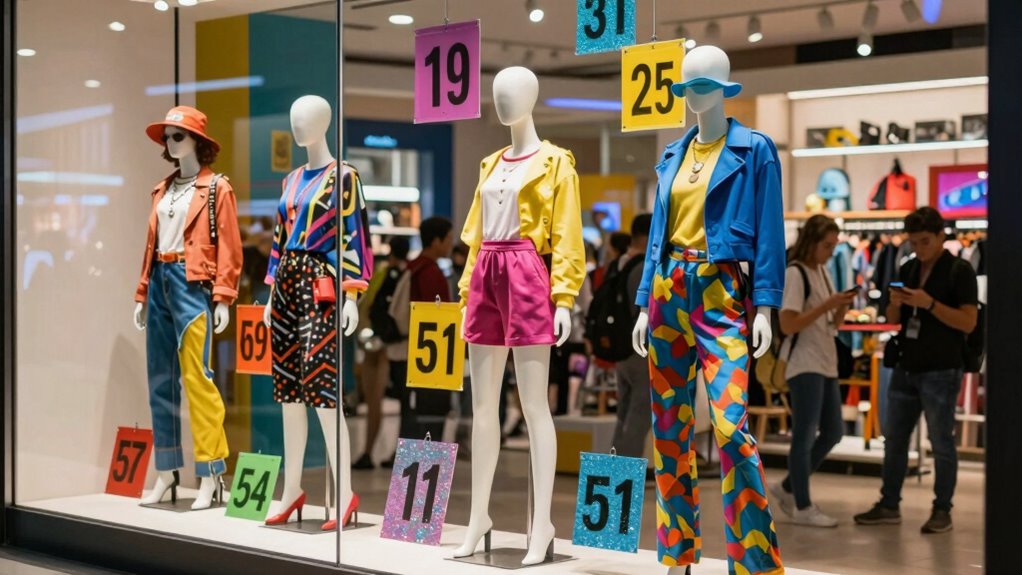
Many people fall into the personality-driven shopping trap without even realizing it, mistaking their shopping choices as expressions of their identity rather than impulsive decisions. You might tell yourself that buying that trendy jacket or those fancy gadgets reflects who you are or who you want to be. But often, what feels like a self-expression is actually driven by emotional triggers—those subtle feelings that push you to buy without much thought. It’s easy to convince yourself that these purchases are part of your personal style or a way to boost your confidence, but in reality, they’re frequently fueled by impulse buying.
Many mistake impulsive purchases for self-expression, but they’re often driven by emotional triggers rather than true identity.
When you shop based on emotional triggers, you’re responding to feelings like boredom, stress, or even the desire for approval. Instead of making deliberate choices, you let fleeting emotions guide your spending. That impulsive urge can feel powerful, almost like a quick fix that temporarily alleviates discomfort or boosts your mood. Before you know it, you’re walking out of stores or clicking “buy now,” convinced that these items will somehow fill a gap or define who you are. But these impulse buys often lead to regret or clutter because they weren’t rooted in genuine needs or long-term values.
This cycle repeats because you associate shopping with emotional relief. When faced with challenging feelings or uncertainty, you might seek comfort in new possessions, convincing yourself it’s part of your personality. Over time, this creates a pattern where shopping becomes less about necessity and more about emotional regulation. You might even start believing that your identity is tied to the things you own, which makes it harder to break free from the cycle. Every impulsive purchase reinforces the idea that your happiness or self-worth depends on acquiring more or newer things. Recognizing that emotional triggers are often influenced by emerging trends in digital content can help you understand the broader context of consumer behavior. Developing awareness of your emotional states can help you identify when you’re shopping out of habit rather than necessity, especially as online shopping platforms use personalized marketing to target your impulses. Additionally, understanding how consumer psychology shapes your decisions can empower you to make more mindful choices.
As an affiliate, we earn on qualifying purchases.
Frequently Asked Questions
How Can I Identify My Shopping Personality Traits?
You can identify your shopping personality traits by reflecting on your shopping triggers and how you react to different situations. Notice if you shop impulsively when stressed, seek validation through purchases, or tend to buy for status. Recognizing these behaviors helps you understand your personality types. Pay attention to patterns in your spending, emotional states, and motivations behind each purchase, so you can make more mindful, intentional shopping choices moving forward.
What Psychological Factors Influence Repetitive Shopping Habits?
Did you know that 70% of consumers admit to impulsive buying? Psychological factors like emotional triggers, social influences, and the desire for instant gratification heavily drive repetitive shopping habits. Your consumer behavior is often motivated by a need to boost mood or gain social approval. Recognizing these underlying buying motivations helps you break the cycle, making more mindful choices instead of falling into habitual, emotionally-driven shopping patterns.
Are There Effective Strategies to Break Free From Shopping Traps?
To break free from shopping traps, you should start with budget planning to prevent impulsive buys. Next, be mindful of store layout; avoid aisles that trigger emotional shopping. Create a shopping list and stick to it, reducing chances of unnecessary purchases. Also, shop with a clear purpose, and give yourself time to reconsider before making a purchase. These strategies help you regain control and make intentional shopping choices.
How Does Emotional State Impact Impulsive Buying?
Your emotional state profoundly impacts impulsive buying because emotional triggers often lead to impulse responses. When you’re feeling stressed, sad, or even excited, you might seek comfort or validation through shopping. These emotions create a craving for quick relief, making it harder to resist spontaneous purchases. Recognizing your emotional triggers can help you pause and reflect before acting on impulse responses, ultimately breaking the cycle of unnecessary shopping.
Can Personality Assessments Help Tailor Better Shopping Habits?
Yes, personality assessments can help you develop better shopping habits. By understanding your personality traits, you can identify your shopping preferences and triggers for impulsive buys. This awareness allows you to create tailored strategies, like setting limits or avoiding certain triggers, that align with your traits. Ultimately, knowing your personality helps you make more intentional choices, reducing impulsiveness and fostering healthier, more mindful shopping behaviors.
As an affiliate, we earn on qualifying purchases.
Conclusion
So, here you are, caught in the cycle of personality-driven shopping, thinking it’s all about expressing yourself. But really, it’s just a trap, feeding your ego while draining your wallet. Ironically, the more you think you’re in control, the deeper you fall into it. Maybe it’s time to break free from the illusion, realize that true personality isn’t bought, and start valuing what truly matters—beyond the next impulsive purchase.
As an affiliate, we earn on qualifying purchases.
As an affiliate, we earn on qualifying purchases.
Fall Picks
fall essentials
As an affiliate, we earn on qualifying purchases.