
For readers looking for a privacy-focused search engine, DuckDuckGo Search Engine is the clearest match in this lineup: it is the only entry identified as a search engine rather than a book about search. The other two picks, Users’ Privacy Conservation Techniques in Search Portals and How to Find Anything Online, can serve as reading material about privacy and alternative search methods, but the supplied information does not establish that either is a search service.

Get privacy and security gear delivered free with Prime
- Fast, free delivery on millions of items
- Prime Video, Amazon Music and more included
- Member-only deals all year
That distinction matters more than any feature comparison here. The available product records provide almost no operational details about DuckDuckGo, and they provide no engine features for either book. I rank DuckDuckGo first because it matches the requested category; I place the books behind it as research and learning aids, not as substitutes for a search engine. Buyers who need a usable search provider should choose accordingly, while readers seeking background material should treat the books as supplementary options and verify their contents before purchase.
Key Takeaways
- DuckDuckGo is the only listed item presented as a search engine, so it is the most direct fit for someone choosing a search provider.
- The supplied listing does not confirm DuckDuckGo’s current privacy policy, search sources, settings, or technical protections; check its official documentation before relying on it.
- Users’ Privacy Conservation Techniques in Search Portals is a book title, not evidence of a searchable service or a tested privacy tool.
- How to Find Anything Online is described as a guide to alternative engines and deep-web research, making it a learning aid rather than a replacement search engine.
- The ranking reflects category fit and the limited product information available, not a verified comparison of privacy practices or search quality.
| DuckDuckGo Search Engine |  | Best Overall — the only direct search-engine match | Product type: Search engine, according to the product title | ASIN: B0F5CMLYPS | Privacy features: Not specified in the supplied product information | VIEW LATEST PRICE | See Our Full Breakdown |
| Users’ Privacy Conservation Techniques in Search Portals: Does the Search Engine Know You? |  | Best for privacy-background reading | Product type: Book, based on the product title and listing context | ASIN: 3659845221 | Stated subject: User privacy and search portals | VIEW LATEST PRICE | See Our Full Breakdown |
| How to Find Anything Online: Alternative Search Engines and Deep Web Research | 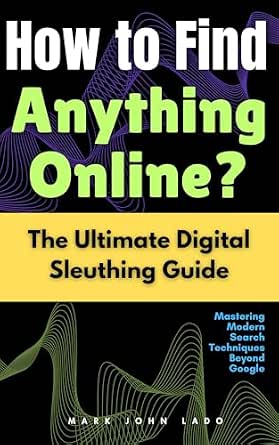 | Best for learning alternative search and research methods | Product type: Guide or book, based on the title and supplied description | ASIN: B0DYNGM5Q6 | Stated topics: Alternative search engines and deep-web research | VIEW LATEST PRICE | See Our Full Breakdown |
| privacy-focused search engine | Product type | ASIN | Search functionality | Author |
|---|---|---|---|---|
| DuckDuckGo Search Engine | Search engine, according to the product title | B0F5CMLYPS | — | — |
| Users’ Privacy Conservation Te | Book, based on the product title and listing context | 3659845221 | Not identified; this is not presented as a search service | Not provided |
| How to Find Anything Online: A | Guide or book, based on the title and supplied description | B0DYNGM5Q6 | Not identified; this is a guide, not a search service | Not provided |
More Details on Our Top Picks
DuckDuckGo Search Engine
DuckDuckGo Search Engine takes the top spot for a simple reason: it is the only item in this set presented as a search engine. If the goal is to pick a provider for everyday web searches, that makes it a more relevant starting point than either book. The supplied listing, however, includes no description or specifications, so I cannot substantiate claims about its current data practices, interface, search sources, personalization, or protective settings.
That gap shapes the recommendation. I would treat DuckDuckGo as the most direct candidate to investigate, not as a fully vetted privacy choice based on this listing alone. The title indicates the product category, while the two books offer information about search rather than a search box or provider. A buyer should consult DuckDuckGo’s official policy and settings before deciding whether its approach matches their threat model, especially if searches could reveal sensitive personal or professional matters.
Compared with Users’ Privacy Conservation Techniques in Search Portals, this is the practical option for someone who wants to search now; the book may offer relevant background, but its listing does not say it can perform searches. Compared with How to Find Anything Online, DuckDuckGo is the service-oriented choice, while that guide is framed around research methods and alternative engines. The tradeoff is that this entry has the strongest category fit but the thinnest evidence about how it handles privacy. I would not infer technical protections from the product name alone.
My verdict is deliberately bounded: this is the only plausible engine choice among the three, but the listing is too sparse to confirm how well it meets any particular privacy standard. It suits buyers willing to inspect current documentation. Readers who need a comparative privacy audit, verified technical details, or a learning resource should not treat this product record as enough evidence; the books may help with context, but they do not replace provider-level verification.
Pros:- The only entry identified as a search engine.
- A more direct fit for everyday search-provider selection than either book.
- Can be researched as a specific service before adoption.
- Its category is clear even though its supplied feature details are not.
Cons:- The supplied product information confirms no privacy features or operating details.
- The listing does not establish data retention, search sources, settings, or personalization behavior.
- The title alone is not evidence of suitability for sensitive searches.
Best for: People who want to investigate a named search engine as their everyday provider and are willing to verify its current privacy documentation.
Not ideal for: Buyers who need confirmed technical protections from the product listing itself, or who expect this roundup to establish independent privacy performance.
- Product type:Search engine, according to the product title
- ASIN:B0F5CMLYPS
- Privacy features:Not specified in the supplied product information
- Data retention:Not specified
- Search sources:Not specified
- Personalization settings:Not specified
- Supported platforms:Not specified
- Listing detail level:Title only; no description provided
Our verdict“I rank DuckDuckGo first for category fit, but buyers should verify its current privacy practices rather than relying on this sparse listing.”
Users’ Privacy Conservation Techniques in Search Portals: Does the Search Engine Know You?
This title is the most directly focused on the relationship between search portals and user privacy, which gives it a distinct role in the lineup. It is still a book, not a search engine. The supplied record gives a title and ASIN but no description, author information, publication context, contents, or format details. I can identify its apparent topic, but I cannot confirm its arguments, practical advice, technical depth, or currency.
For a reader deciding how to think about search privacy, the subject could be relevant: the title signals an examination of what search engines may know about users and techniques for conserving privacy. That may make it a more targeted reading choice than How to Find Anything Online, whose supplied description emphasizes search techniques and deep-web research. But title-level relevance should not be confused with demonstrated usefulness. Without a description or sample, a buyer cannot tell whether this work offers actionable guidance, academic discussion, dated examples, or another treatment altogether.
Compared with DuckDuckGo, this book cannot serve as the provider for routine searches. Its possible value is educational, while DuckDuckGo is the only entry whose title identifies an active search service. Compared with the alternative-search guide, this title appears more explicitly centered on privacy, whereas the other book has a broader research-method focus. The tradeoff is therefore clear: privacy-themed subject matter, but no confirmed engine functionality and very little information with which to judge the book itself.
I would only select it as supplementary reading after confirming the edition, contents, and publication details from the seller’s full listing. I would not buy it as a way to obtain a privacy-focused search service or assume that its title guarantees current guidance. For immediate searching, investigate DuckDuckGo directly; for a practical survey of search techniques, the third entry has a description that gives more scope, although it still does not establish privacy protections.
Pros:- The title explicitly centers user privacy and search portals.
- Offers a reading-oriented alternative to choosing a search provider.
- Its subject is more privacy-specific than the third entry’s broad research focus.
Cons:- It is a book, not a search engine or online search service.
- No description, author, edition, contents, or publication details were supplied.
- The listing does not establish that its material is current or actionable.
Best for: Readers seeking a potentially privacy-centered discussion of search portals, provided they verify the book’s edition and contents first.
Not ideal for: Anyone looking for a search engine, browser feature, or confirmed step-by-step privacy tool based on the supplied listing.
- Product type:Book, based on the product title and listing context
- ASIN:3659845221
- Stated subject:User privacy and search portals
- Search functionality:Not identified; this is not presented as a search service
- Author:Not provided
- Edition or publication date:Not provided
- Format:Not provided
- Contents and methods:Not described
Our verdict“I see this as a possible privacy-reading pick, not a search engine, and would verify its contents before relying on it.”
How to Find Anything Online: Alternative Search Engines and Deep Web Research
How to Find Anything Online is the most clearly described book in this group. Its provided summary says it covers alternative search engines and deep-web research, with a focus on techniques beyond Google. That makes it a plausible learning resource for someone who wants to broaden their research habits. It does not make the book a search engine, and the available description does not confirm that its methods are privacy-focused.
That distinction places it behind DuckDuckGo for a buyer seeking a provider. DuckDuckGo is the only listing that identifies an engine; this book appears intended to explain ways to find information. It also differs from Users’ Privacy Conservation Techniques in Search Portals: the latter’s title is more directly privacy-oriented, while this guide has the more explicit scope around alternative engines and deep-web research. For a reader interested in search methods, the third entry has a clearer stated use; for a reader focused narrowly on user privacy, the second title may sound more relevant, though neither description provides enough information to judge depth or quality.
The potential benefit is breadth. Exploring multiple search routes can help researchers understand that one general-purpose engine does not cover every source or type of information. The limitation is equally important: the supplied summary does not say which engines are covered, whether privacy practices are discussed, how deep-web topics are handled, or when the material was published. I would not assume that “alternative” means private, or that research guidance includes safe or lawful instructions for every use case.
This is best treated as a research-skills supplement. It may suit curious readers who want a wider toolkit, but anyone choosing a privacy-preserving provider should inspect the services themselves and verify their policies. Compared with the privacy-themed book, this one has a more concrete stated research scope; compared with DuckDuckGo, it offers learning rather than direct search. That difference is why I rank it third for this particular roundup, despite its more informative description.
Pros:- The supplied description identifies alternative search engines as a topic.
- Includes deep-web research according to the product summary.
- Focuses on search techniques beyond Google.
- Provides a clearer stated learning scope than the other book listing.
Cons:- It is a guide, not a search engine or search provider.
- The supplied description does not confirm a focus on privacy protection.
- No author, edition, publication date, format, or detailed contents were provided.
Best for: Readers who want an introduction to alternative search methods and deep-web research beyond a single mainstream engine.
Not ideal for: Buyers who need a privacy-focused search provider, verified privacy advice, or confirmed coverage of specific engines and methods.
- Product type:Guide or book, based on the title and supplied description
- ASIN:B0DYNGM5Q6
- Stated topics:Alternative search engines and deep-web research
- Search functionality:Not identified; this is a guide, not a search service
- Privacy coverage:Not confirmed by the supplied description
- Author:Not provided
- Edition or publication date:Not provided
- Format:Not provided
Our verdict“I recommend it as a possible research-methods guide, but not as a privacy-focused search engine or a confirmed privacy manual.”

How We Picked
I ranked these entries by how directly they answer the request for a privacy-focused search engine, then by what the supplied product information can actually support. That approach prevents a book about search from being presented as though it were an operating search provider. It also avoids claiming privacy safeguards, technical features, or results quality that the listings do not verify.
Category fit comes first: DuckDuckGo Search Engine receives the lead position because its title identifies it as a search engine. The listing supplied here contains no description or confirmed specifications, so I cannot validate particular privacy practices or compare its implementation with named competitors. Its position reflects the closest match to the requested product type, not an independently established privacy score.
The second and third entries are books. I distinguish them by their stated subject matter: one focuses on privacy conservation techniques in search portals, while the other is described as a guide to alternative search engines and deep-web research. Those descriptions support their roles as potential reading, but not claims about exact chapter contents, publication format, technical accuracy, or how useful they will be to a particular reader. I have marked those unknowns as limitations rather than filling them with assumptions.
This is a limited-information roundup, not a hands-on security audit. I give more weight to whether an item is the thing a buyer asked for than to broad claims suggested by a title. Before choosing a search engine for sensitive queries, I recommend reviewing its current privacy policy, data-retention statements, settings, and any relevant independent technical assessments. For either book, check the full listing and publication details to confirm the format and scope.
| privacy-focused search engine | Product type | Search functionality |
|---|---|---|
| DuckDuckGo Search Engine | Search engine, according to the product title | — |
| Users’ Privacy Conservation Te | Book, based on the product title and listing context | Not identified; this is not presented as a search service |
| How to Find Anything Online: A | Guide or book, based on the title and supplied description | Not identified; this is a guide, not a search service |
Factors to Consider When Choosing Best Privacy-focused Search Engines
These three entries do not form a like-for-like comparison: one is identified as a search engine and two are books. I recommend separating the decision into two questions: Do you need a service to search with? Or do you want material to help you understand privacy and research methods? The right choice depends on that distinction, and the sparse listings make independent verification necessary.
Separate search providers from reading material
A search engine takes queries and returns results; a book can explain ideas or techniques but does not perform that service. In this lineup, DuckDuckGo is the only item presented as a search engine. The other two entries may be useful to readers, but their titles do not turn them into alternatives you can set as a search provider. I would start by identifying the product type you actually need, then compare only within that category.
If you want to change your everyday search provider, investigate DuckDuckGo’s current official documentation and settings. If you are trying to understand the privacy issues surrounding search, the privacy-themed book may be relevant after you confirm its contents. If your goal is to broaden research techniques, the third entry has the clearest stated coverage. Neither book should be counted as a direct competitor to an operating engine.
Check privacy claims at the provider level
A privacy-oriented name or description is not enough to establish how a service handles searches. Before relying on any provider, I would read its current privacy policy and look for concrete explanations of what data may be collected, whether searches are associated with an account or identifier, how long information is retained, and what controls are available. The listing provided for DuckDuckGo confirms none of those details, so I cannot treat them as established facts in this comparison.
Match the checks to your own use. Someone searching for general public information may have different needs from a journalist, researcher, or person looking up sensitive health or legal topics. If your risk level is high, look for current independent technical assessments as well as policy language. A book can offer context, but it cannot verify a service’s present configuration or replace a review of the provider’s own documentation.
Choose a book by the question you want answered
Users’ Privacy Conservation Techniques in Search Portals has a title that points directly toward privacy and search portals. The supplied record does not provide enough detail to judge whether the treatment is practical, academic, current, or technically specific. Confirm the author, edition, publication date, and table of contents before choosing it as a reference.
How to Find Anything Online has a more concrete description: alternative search engines, deep-web research, and techniques beyond Google. That scope may better fit someone who wants to explore research approaches. It does not establish that the guide covers privacy safeguards, so I would not select it as a privacy handbook without checking the full listing. Choose by the topic you need, not by assuming every alternative-search resource prioritizes privacy.
Treat missing specifications as a real limitation
Product records can omit details that matter to a decision. Here, none of the entries provides a full set of specifications: the search-engine listing lacks feature and policy details, and both book listings lack publication information and format details. Those omissions make it harder to compare accuracy, usability, scope, and currency. I have not filled those gaps with assumptions.
Before buying, confirm that a book is the format and edition you want, and that its contents match your needs. Before adopting a search service, confirm current policies and available controls directly with the provider. This is particularly important when the choice affects sensitive searches, because a product title or short summary cannot establish how well a service fits a specific privacy requirement.
Use this ranking as a category-fit guide
My ranking puts DuckDuckGo first because it is the only direct search-engine match, not because the supplied listing proves it has stronger privacy protections than every other provider. The privacy-themed book follows as a possible source of background, and the alternative-search guide comes third because its stated emphasis is broader research rather than privacy. That order helps answer the category question while keeping the evidence limits visible.
If you need a true head-to-head comparison of privacy-focused engines, this set is not enough: it contains only one identified engine. Compare several actual providers using current policy details, technical documentation, and independent assessments. The books can sit alongside that research, but neither can replace a provider comparison.
Frequently Asked Questions
Which option in this roundup is actually a search engine?
DuckDuckGo Search Engine is the only entry identified as a search engine. The other two products are books: one has a title centered on privacy in search portals, and the other is described as a guide to alternative engines and deep-web research. I would not treat either book as a service for entering queries and receiving search results.
Does this comparison confirm DuckDuckGo’s privacy features?
No. The supplied listing includes the product title but no description or confirmed specifications. It does not establish current data practices, retention, search sources, personalization, or available settings. I rank it first because it is the only direct category match, and I recommend checking its current official documentation before relying on it for sensitive searches.
Which book is more relevant to privacy?
Users’ Privacy Conservation Techniques in Search Portals: Does the Search Engine Know You? has the more explicitly privacy-focused title. The available listing does not include a description, author, edition, or contents, so I cannot confirm how practical or current it is. Check the full product details before treating it as a guide to specific protections.
Is How to Find Anything Online a private search engine?
No. The supplied description presents it as a guide to alternative search engines, deep-web research, and techniques beyond Google. That makes it a possible learning resource, not a search provider. The description also does not confirm that privacy protection is a central topic, so readers seeking a privacy manual should inspect its contents first.
How should I choose if I need a privacy-focused search provider?
Start with DuckDuckGo as the only provider named in this lineup, then verify its current privacy policy, data-handling statements, settings, and relevant independent assessments. The two books may offer context or research methods, but they cannot replace a comparison between operating search engines. If your searches are especially sensitive, assess whether the provider’s documented practices fit your own risk needs rather than relying on a product title alone.
Conclusion
For an everyday search-provider candidate, I would start with DuckDuckGo because it is the only actual search engine in this group, while checking its current privacy documentation before adoption. For privacy-focused background reading, I would investigate Users’ Privacy Conservation Techniques in Search Portals only after confirming its edition and contents. For broader research skills, I would look at How to Find Anything Online, whose supplied description names alternative engines and deep-web research. These are different kinds of purchases, not three competing engines. If your priority is a verified comparison among privacy-focused providers, seek a lineup containing multiple search services and compare their current policies and technical evidence directly.