TL;DR

Get privacy and security gear delivered free with Prime
- Fast, free delivery on millions of items
- Prime Video, Amazon Music and more included
- Member-only deals all year
Sens. Ron Wyden and Adam Schiff say the Trump administration has not released a Foreign Intelligence Surveillance Court opinion on tools used to find Americans’ communications in Section 702 data. They say the government’s 180-day review window expired Sept. 13 and are seeking an explanation by Nov. 6. The opinion remains secret, and the government has not publicly explained the delay.
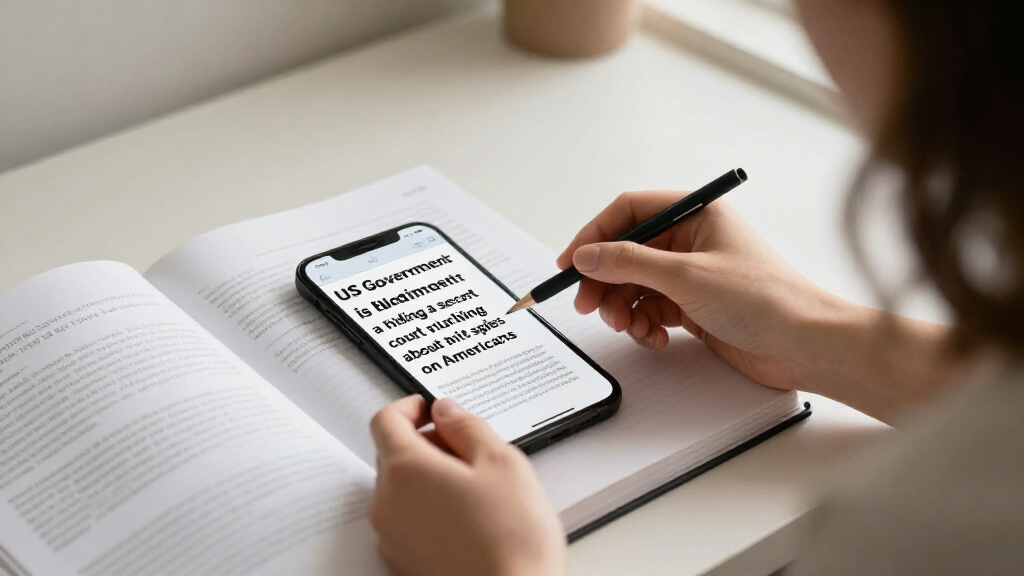
Sens. Ron Wyden and Adam Schiff say the Trump administration is unlawfully withholding a secret court opinion about tools used to search for Americans’ communications collected under Section 702, and have demanded an explanation from senior officials by Nov. 6. The ruling, issued by the Foreign Intelligence Surveillance Court about seven months before the report, has not been made public despite a government-stated 180-day review period that ended Sept. 13.
The Foreign Intelligence Surveillance Court objected to search filters that allow intelligence analysts to find Americans’ messages in intercepted data without approvals, written justifications or records required by law, according to the report. The court nevertheless authorized another year of surveillance in March. The senators say the administration owes Congress an account of why the opinion remains secret and the names of officials responsible for the delay.
Section 702 of the Foreign Intelligence Surveillance Act permits the government to collect communications of non-US persons located abroad, but the resulting data can include Americans’ communications. The program lapsed in June after Congress did not renew it; collection has continued under the court’s March authorization. Intelligence officials are pressing lawmakers to reauthorize the program by year’s end.
The administration’s public documentation says rulings of this kind are reviewed for possible public release within 180 days of issuance. The senators’ letter, obtained by WIRED, says the deadline passed. In July, Attorney General Todd Blanche answered “Yes” when asked whether he would commit to declassifying the ruling by that deadline. Director of National Intelligence Jay Clayton, who is legally responsible for declassification, said before his confirmation that officials were working to release it and that lawmakers had access to the full opinion.
Disclosure and Section 702 Renewal
The dispute puts a consequential surveillance program and the government’s disclosure obligations at the center of Congress’s reauthorization debate. The ruling reportedly addresses whether tools used to isolate Americans’ communications from a large pool of intercepted data count as searches of Americans. If so, those tools may be subject to legal limits and documentation requirements that affect how agencies use Section 702 information.
For lawmakers weighing renewal, the withheld opinion may bear directly on whether current safeguards are working and what changes are needed. Civil liberties and accountability groups, including the ACLU and conservative-backed organizations, have urged Congress not to renew the program while the administration withholds information they say is legally required. Their position is an advocacy demand, not a congressional decision.
Products Worth Considering

Apple MacBook Pro 16-inch Laptop with M5 Pro, 18-Core CPU, 20-Core GPU, 48GB Memory, 2TB SSD, Space Black

Apple MacBook Air 15-inch Laptop with M5 Chip, 16GB Memory, 512GB SSD, and Liquid Retina Display

Apple MacBook Pro 14‑inch (2021) with M1 Pro, 16 GB RAM, 512 GB SSD – Space Gray
As an affiliate, we earn on qualifying purchases.
Earlier Concerns About FBI Filters
The ruling builds on prior scrutiny of FBI searches. A FISA court opinion declassified last year described a “participants filter” that let agents identify people in contact with surveillance targets and access their messages. In February 2025, the Justice Department’s National Security Division told the court the tool had been used for searches that were not counted. The FBI turned it off the following month and later reactivated a rebuilt version after departmental approval.
The current opinion reportedly goes further. The New York Times reported in April, citing unclassified administration talking points sent to lawmakers, that the court treated tools used to narrow intercepted data to an American’s messages as searches of Americans and ordered them rebuilt. Sen. Alex Padilla said in written questions to Blanche that the Justice Department was appealing parts of the ruling that limit certain filtering tools.
Public compliance figures have also been disputed. Seven intelligence-agency fact sheets issued in March 2026 cited a 98.9 percent compliance rate for FBI searches of Americans. A Justice Department inspector general review published in October 2025 reported 98.6 percent and said it could not conclude that FBI querying compliance problems were entirely in the past. The figures come from different documents and reporting periods; they should not be treated as a direct like-for-like comparison without more detail. The fact sheets did not mention the court’s findings.
“If this administration won’t follow this simple statutory directive, it is unclear why Congress or the American people should trust this administration to follow any of the other legal limits to Section 702.”
— Sens. Ron Wyden and Adam Schiff, in a letter to DNI Jay Clayton and Attorney General Todd Blanche, as quoted by WIRED
What the Secret Opinion Says
The full ruling remains classified, so the precise legal reasoning, the filters covered, and the court’s complete instructions are not publicly known. The report says the court ordered tools rebuilt, but that account relies partly on unclassified talking points described by The New York Times; lawmakers have not released the opinion itself.
It is also unclear why the administration did not release the ruling within the stated review window, whether officials will declassify it in full or with redactions, and how the Justice Department’s reported appeal may affect implementation. The White House, ODNI and Justice Department did not answer WIRED’s questions about the delay. WIRED also reported that the FBI’s earlier search counts did not include some participants-filter searches, which a government privacy watchdog said were not possible to track.
Congress Awaits an Explanation
Wyden and Schiff have asked Clayton and Blanche to explain the delay and identify the officials responsible by Nov. 6. The report does not say whether the administration has responded. Senator Mark Warner’s communications director said Warner expects Clayton to declassify the opinion, consistent with a bipartisan request and the law; Cotton’s office did not respond to WIRED.
Lawmakers are also facing pressure to decide whether and how to renew Section 702 before the end of the year. The opinion’s release, any redactions, and the outcome of the Justice Department’s appeal could shape that debate. No public release date or final congressional action was confirmed in the report.
Key Questions
What is Section 702?
Section 702 is part of the Foreign Intelligence Surveillance Act. It authorizes collection targeting non-US persons abroad, while the resulting data can also contain Americans’ communications.
What did the court reportedly object to?
The court reportedly objected to filters used to locate Americans’ messages in intercepted data without approvals, written justifications or records required by law. The full ruling is still secret, so its exact findings are not publicly available.
Has Section 702 surveillance stopped?
No. The program lapsed in June after Congress did not renew it, but collection has continued under the Foreign Intelligence Surveillance Court’s March authorization, according to the report.
When could the ruling become public?
The administration’s public documentation describes a 180-day review window, which the senators say ended Sept. 13. The report gives no confirmed release date; Wyden and Schiff requested an explanation by Nov. 6.
Source: hn