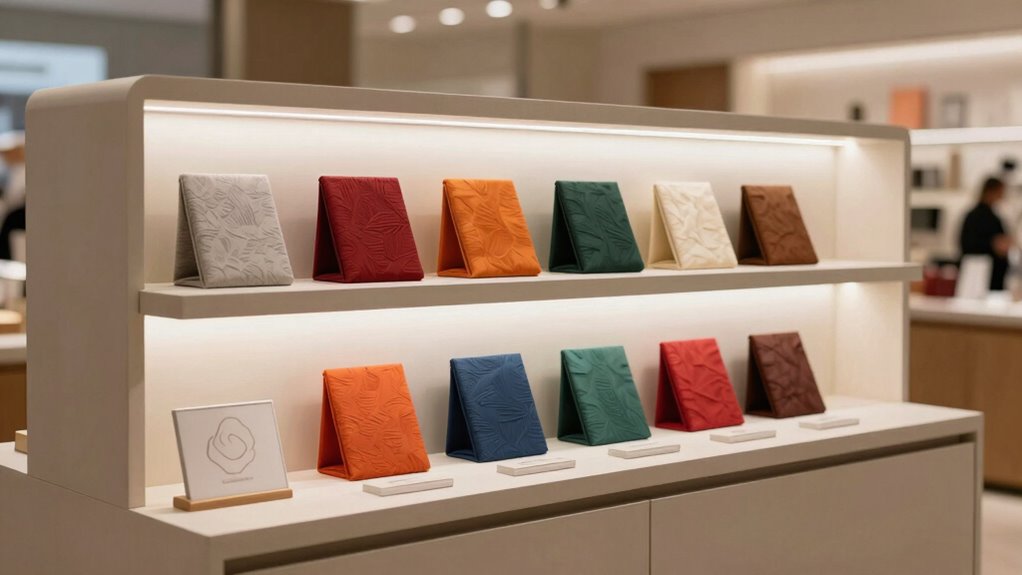
To avoid post-purchase regret, follow a clear product selection rule: limit your choices, set specific criteria beforehand, and stay focused on your true needs. Recognize psychological influences like branding or external pressures that may sway you unfairly. Make decisions when you’re well-rested and mindful, avoiding rushes and distractions. Taking these steps keeps you rational and confident, ensuring you buy what truly fits your needs. If you want to learn more strategies, keep exploring these insights.
Key Takeaways
- Set clear, specific criteria to guide your choices and avoid impulsive decisions.
- Limit the number of options to reduce decision fatigue and enhance focus.
- Recognize psychological influences like branding to make more objective choices.
- Make decisions when well-rested and mentally alert to improve judgment.
- Practice mindfulness to stay aligned with your needs and prevent post-purchase regret.

Choosing the right product can make or break your success, and understanding the Product Selection Rule is key to making smart decisions. When you’re faced with countless options, it’s easy to fall into the trap of consumer psychology—where your mind is influenced by subtle cues, branding, and perceived value. Recognizing how these psychological factors sway your choices helps you stay focused on what truly matters. Instead of being pulled in by flashy packaging or persuasive advertising, you can develop a clearer sense of what fits your needs.
One common challenge you’ll encounter during product selection is decision fatigue. The more choices you make, the more drained your mental energy becomes, leading to less optimal decisions. When decision fatigue kicks in, you might default to familiar brands or impulsively choose the most convenient option, often regretting it afterward. To combat this, it’s vital to streamline your decision-making process. Limit yourself to a set number of options before you start shopping, or establish specific criteria that a product must meet. This reduces mental overload and keeps you from second-guessing your choices afterward. Being aware of decision fatigue and its effects can help you build strategies to mitigate its impact. Additionally, understanding how consumer psychology influences your perception can help you resist these subtle manipulations and make more rational choices. Recognizing psychological influences allows you to anticipate and counteract external pressures that might sway your decisions.
Another key aspect is timing. When you’re tired or stressed, your judgment becomes clouded, making it harder to apply the Product Selection Rule effectively. Recognize your mental state before shopping and, if possible, make important decisions when you’re well-rested. Taking breaks during longer shopping sessions can also help reset your focus, so you don’t give in to impulse buys driven by decision fatigue. Being mindful of your mental state ensures you’re in the best position to apply your rational criteria effectively. Moreover, practicing mindfulness during the decision process can further enhance your awareness and reduce emotional reactions that lead to impulsive choices. This heightened awareness can help you stay aligned with your original goals and avoid unnecessary regret.
noise-canceling headphones for focus
As an affiliate, we earn on qualifying purchases.
As an affiliate, we earn on qualifying purchases.
Frequently Asked Questions
How Do I Implement the Rule in High-Stakes Decisions?
To implement this rule in high-stakes decisions, start with thorough risk assessment to identify potential pitfalls. Recognize your emotional biases, like fear or overconfidence, that might cloud judgment. Take a step back, gather diverse opinions, and evaluate options objectively. By consciously managing emotional biases and grounding your choices in data, you reduce regret and make more confident, balanced decisions even in critical situations.
Does This Rule Apply to All Product Categories?
Think of this rule like a spice rack—category relevance and product diversity matter. It applies broadly because focusing on what truly fits your needs helps avoid regret. For example, when choosing a laptop, considering only relevant features and diverse options within that category prevents overwhelm. So, yes, this rule works across all product categories, encouraging you to prioritize relevance and diversity to make confident, regret-free choices.
How Long Should I Consider Options Before Deciding?
You should consider options for at least a few days, doing thorough market research to compare features, prices, and reviews. This time allows you to evaluate the emotional appeal of each product, ensuring it truly meets your needs and desires. Rushing your decision can lead to regret later. By giving yourself adequate time, you make a more informed choice, reducing the chance of buyer’s remorse and increasing satisfaction with your purchase.
Can This Rule Reduce Decision Fatigue?
Imagine your mind as a busy marketplace, cluttered with countless choices and emotional triggers. This rule acts like a calming guide, helping you navigate through psychological biases and avoid overwhelm. By focusing on essential options and limiting indecision, it reduces decision fatigue. You’ll feel more confident, less drained, and able to make clearer choices, transforming the chaos into clarity and peace.
What Are Common Mistakes When Applying This Rule?
You often fall into product bias, favoring familiar choices, or face decision paralysis when overwhelmed, leading to hesitation. A common mistake is overcomplicating your criteria or second-guessing your initial instincts, which can undermine the rule’s effectiveness. Instead, trust your first impressions, limit options early, and stay aware of biases. This helps you avoid regret and keeps decision-making smooth, preventing product bias and decision paralysis from taking over.

Marsail Ergonomic Office Chair: Office Desk Chair with High Back Mesh and Adjustable Lumbar Support Rolling Work Swivel Task Chairs with Wheel 3D Armrests and Headrest
- Fully Adjustable Headrest: 2D adjustable for personalized comfort
- Reclining Backrest: Adjusts from 90° to 120°
- 3D Adjustable Armrests: Customizable for various postures
As an affiliate, we earn on qualifying purchases.
As an affiliate, we earn on qualifying purchases.
Conclusion
By following the product selection rule, you steer clear of the regret storm before it even forms. Think of it as your compass in a sea of options, guiding you away from fleeting temptations toward lasting satisfaction. When you trust your criteria and stay disciplined, you build a shield against buyer’s remorse. Ultimately, this rule isn’t just a tool — it’s the anchor that keeps your decision-making steady amid swirling uncertainty.
smartphone screen protector tempered glass
As an affiliate, we earn on qualifying purchases.
As an affiliate, we earn on qualifying purchases.
As an affiliate, we earn on qualifying purchases.