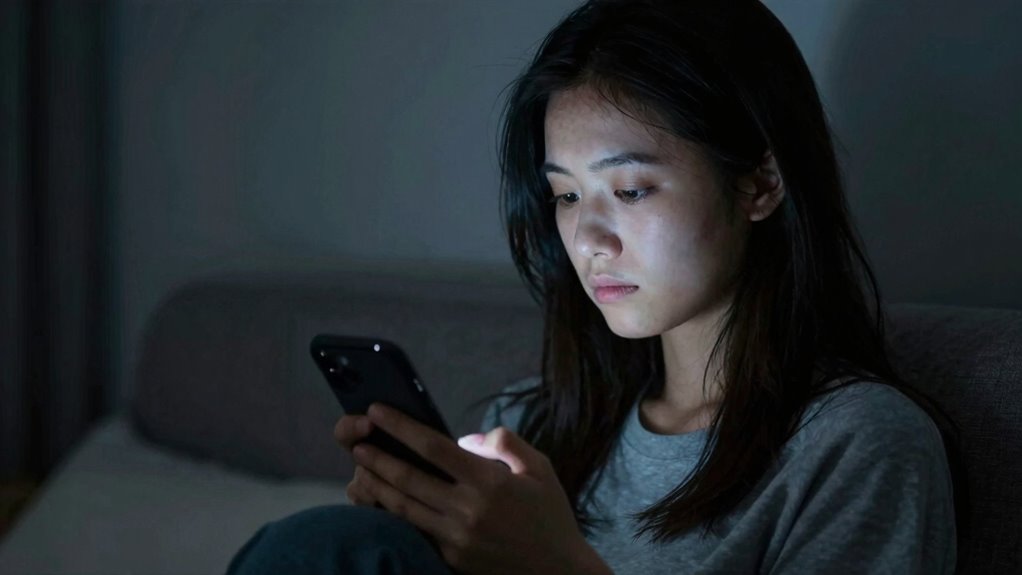

Constantly swiping through countless profiles can wear down your self-esteem, making you judge yourself based on superficial qualities. Repeated rejection and unmatches chip away at your confidence, leaving you feeling more insecure and disconnected. It’s easy to feel isolated in a digital world where interactions often lack genuine connection. If you look closer, you’ll see how this cycle impacts your emotional well-being and how shifting your focus could help you rebuild confidence and authenticity.

Get privacy and security gear delivered free with Prime
- Fast, free delivery on millions of items
- Prime Video, Amazon Music and more included
- Member-only deals all year
Key Takeaways
- Endless swiping fosters superficial judgments, damaging self-esteem and creating a fragile sense of confidence.
- Repeated rejection diminishes mental resilience and reinforces feelings of inadequacy and social disconnection.
- Superficial online interactions lead to social isolation despite numerous profile views.
- Digital platform designs prioritize engagement over emotional well-being, intensifying feelings of loneliness.
- Recognizing these patterns is vital to breaking the cycle and prioritizing authentic, real-world connections.
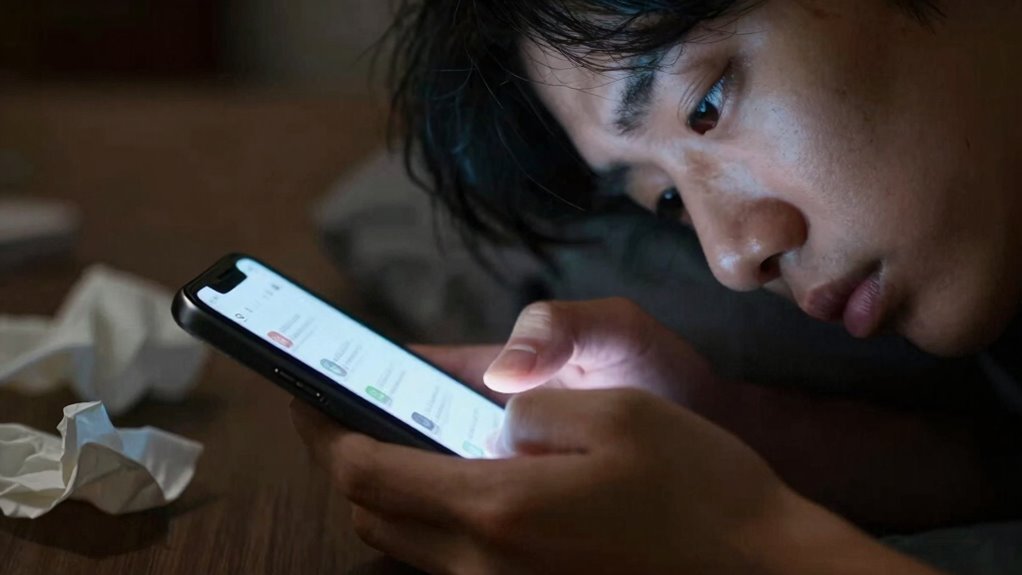
In a universe where swiping left or right has become second nature, it’s easy to overlook the toll this endless scrolling takes on your emotions. Every swipe is a quick judgment, a moment where you measure your worth based on a fleeting glance at a photo or a brief bio. Over time, this constant evaluation chips away at your self-esteem, making you doubt your own value. You may start to believe that your worth depends solely on how many matches or likes you get, which leads to a fragile sense of self-confidence. The more rejection or superficial interactions you face, the more your confidence diminishes, fueling a cycle of insecurity.
Constant swiping erodes self-esteem, making us value ourselves based on fleeting digital validation and superficial interactions.
As you spend hours scrolling through profiles, you might notice a growing sense of social isolation. Instead of fostering genuine connections, you end up trapped in a virtual universe where interactions often feel superficial or disconnected. This can make you feel lonelier, even when you’re surrounded by countless profiles. The endless pursuit of a perfect match becomes a substitute for real, meaningful relationships, leaving you feeling more isolated than ever. You might find yourself craving authentic conversations but settling for quick messages or superficial exchanges. This gap between desire and reality deepens feelings of loneliness, reinforcing the sense that you’re on the outside looking in. Recognizing the effects of digital environments on emotional well-being can help you better understand the impact of online interactions. Additionally, understanding how self-esteem is affected by these interactions can guide you toward healthier habits. Moreover, cultural trends surrounding online dating often emphasize superficial qualities over genuine compatibility, which can distort expectations and further impact emotional health.
The emotional toll of endless swiping isn’t just about feeling rejected; it’s also about what it does to your mental health. Repeated exposure to rejection, even if it’s just in the form of unmatches or ignored messages, chips away at your self-esteem. Over time, you may start to believe that you’re not good enough, that you won’t find someone who truly understands or appreciates you. This can lead to feelings of inadequacy and a sense of social disconnect, making it harder to form genuine bonds outside the digital universe. Recognizing how technology shapes our interactions can also shed light on the ways these platforms are designed to keep us engaged longer, often at the expense of emotional health. The more you rely on these platforms, the more they can reinforce feelings of social isolation, creating a cycle where loneliness feeds into your online habits and vice versa. Recognizing the role of AI and technology in shaping these interactions can help you see the bigger picture of how digital environments influence emotional well-being.
Ultimately, endless swiping becomes less about finding love and more about managing the emotional costs. You may not realize how much your self-esteem has declined or how isolated you’ve become until you step back and reflect. Recognizing these patterns is the first step toward breaking free from the cycle, but it requires a conscious effort to prioritize real-world connections and rebuild your confidence outside the digital universe.
As an affiliate, we earn on qualifying purchases.
Frequently Asked Questions
How Does Swiping Affect Long-Term Relationship Satisfaction?
Swiping endlessly can lower your long-term relationship satisfaction by fueling attachment anxiety and commitment fears. As you constantly seek new options, you might doubt your current partner’s worth or worry about missing out, which hampers trust and intimacy. Over time, this behavior can make you less committed, increasing insecurity and reducing overall happiness in your relationship. Staying present and fostering genuine connections helps build trust, reducing these emotional costs.
Can Endless Swiping Lead to Decision Fatigue?
Endless swiping can definitely lead to decision fatigue, causing choice overload and decision paralysis. As you keep scrolling, your brain gets overwhelmed by too many options, making it harder to choose confidently. This overload can drain your mental energy, leaving you exhausted and less satisfied with your decisions. Over time, it may even make you hesitant to commit, fearing you might miss out on a better match.
What Are the Signs of Emotional Burnout From Dating Apps?
You may notice emotional exhaustion, feeling drained after long swipe sessions, and attachment issues, like difficulty forming meaningful connections. You might feel anxious or overwhelmed, questioning if it’s worth the effort. Swiping endlessly can lead to a sense of loneliness despite constant activity. If you start avoiding the app or feel indifferent toward matches, these are signs you’re experiencing emotional burnout from dating apps. Recognizing these signs helps you take necessary breaks.
How Does Swiping Impact Self-Esteem Over Time?
Swiping constantly can lead to a self-esteem decline as you start questioning your worth when matches don’t happen or you face rejection. Over time, confidence erosion becomes real, making you doubt yourself and your attractiveness. This cycle can make you feel less valued and more anxious about finding genuine connections. To protect your self-esteem, take breaks and focus on affirming your self-worth outside of dating apps.
Are Certain Demographics More Vulnerable to Emotional Costs?
Like delicate glass, certain demographics are more vulnerable to emotional costs, especially those with lower emotional resilience. Young adults, for example, might feel the impact more deeply, while others facing societal pressures or marginalization may experience heightened emotional strain. These demographic vulnerabilities make it harder to bounce back from rejection or disappointment, highlighting the need to nurture emotional resilience. Recognizing these differences helps you protect your mental health while steering through endless swiping.
As an affiliate, we earn on qualifying purchases.
Conclusion
Every swipe feels like a fleeting moment of hope, yet it chips away at your emotional well-being. Behind the glossy filters and quick decisions lies a silent toll—your confidence, patience, and sense of self-worth. Like a delicate thread stretched too thin, endless swiping can unravel your inner peace. So, pause and ask yourself: is this pursuit worth the cost? Sometimes, the greatest connection comes not from endless scrolling but from truly being present, with yourself.
genuine connection conversation cards
As an affiliate, we earn on qualifying purchases.
As an affiliate, we earn on qualifying purchases.
mindfulness meditation for anxiety
As an affiliate, we earn on qualifying purchases.
As an affiliate, we earn on qualifying purchases.
Fall Picks
fall essentials
As an affiliate, we earn on qualifying purchases.