Personality assessments at work are designed to reveal your natural traits and predict how you’ll perform, collaborate, and lead. They help employers understand your tendencies beyond your resume and are used to gauge compatibility with specific roles, team dynamics, and leadership potential. These tools are scientifically validated to guarantee reliable insights, supporting better hiring and development decisions. If you want to discover more about what these assessments really aim to uncover, keep exploring.

Get privacy and security gear delivered free with Prime
- Fast, free delivery on millions of items
- Prime Video, Amazon Music and more included
- Member-only deals all year
Key Takeaways
- Underlying personality traits that influence behavior beyond qualifications and experience.
- Future workplace performance, including teamwork, leadership, and adaptability.
- Compatibility with specific job roles and organizational culture.
- Ability to handle workplace challenges like conflict, stress, and feedback.
- Potential for growth, leadership development, and long-term contribution.
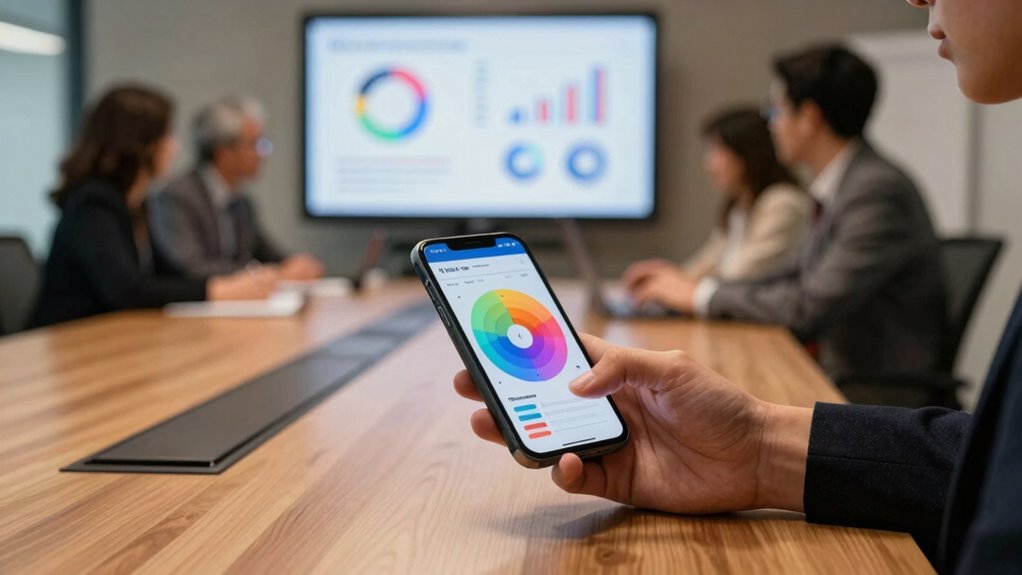
Have you ever wondered how employers identify the best fit for a role beyond resumes and interviews? They often turn to personality assessments, tools designed to reveal more about who you are beneath your professional experience. These tests aim to predict how you’ll behave in the workplace, how you’ll interact with colleagues, and whether your natural tendencies align with the demands of the job. But what exactly are they trying to uncover? It’s not just about ticking boxes; these assessments are trying to gauge your potential in key areas like team dynamics and leadership potential.
Personality assessments reveal your true workplace potential beyond resumes and interviews.
When employers use personality assessments, they’re looking at how your personality influences your ability to work well with others. For example, they want to understand if you’re someone who thrives in collaborative environments or if you prefer working independently. Your responses can reveal how you handle conflict, give and receive feedback, and contribute to team cohesion. These traits are crucial because strong team dynamics depend on personalities that complement each other. If you’re naturally empathetic and open-minded, you might be seen as someone who can foster positive relationships and mediate conflicts effectively. Conversely, if you’re more assertive or competitive, employers might see you as a potential leader or someone who can push the team toward goals.
Leadership potential is another critical aspect these assessments aim to predict. Employers want to see if you have the qualities that indicate future leadership. Are you someone who takes initiative, motivates others, and handles stress well? Your personality profile can provide insights into your capacity to inspire confidence and guide a team, even if you’re not applying for a leadership role right now. They look for traits like decisiveness, resilience, and a positive attitude—things that suggest you could step into a leadership position if given the opportunity. These tools often utilize scientifically validated psychometric tools, which are designed to provide accurate and reliable insights into your personality traits. Additionally, understanding your personality traits can help organizations foster a more inclusive and effective work environment by aligning roles with individual strengths. Recognizing the scientific basis behind these assessments ensures organizations are making informed decisions based on reliable data.
Ultimately, personality assessments are about understanding your natural inclinations and how they align with the workplace environment. They help employers identify not only who will perform well in a specific role but also who has the potential to grow into leadership positions. By analyzing your responses, they aim to predict your fit within team dynamics and your capacity to lead. It’s a way of seeing beyond your resume, offering a fuller picture of your potential and how you might thrive within their organization. Additionally, these assessments often utilize scientifically validated psychometric tools, which aim to provide accurate and reliable insights into your personality traits.
Products Worth Considering

Apple MacBook Air 15-inch with M5 chip, 16GB memory, 512GB SSD, and Liquid Retina display (Midnight)

LG UltraGear 27GX704A-B 27-inch QHD OLED Gaming Monitor

Logitech MX Master 4 Ergonomic Wireless Mouse with Haptic Feedback, Graphite
As an affiliate, we earn on qualifying purchases.
Frequently Asked Questions
Can Personality Tests Predict Long-Term Job Success Accurately?
Personality tests can give you insights into traits linked with career advancement and leadership potential, but they can’t predict long-term job success with absolute accuracy. Your ability to adapt, learn, and develop skills over time plays a vital role. While assessments highlight strengths and areas for growth, your ongoing effort and experiences ultimately shape your long-term success in a role or leadership position.
Are Personality Assessments Culturally Biased?
You might think personality assessments are fair, but they can sometimes be a bit of a double-edged sword due to cultural bias. Tests aren’t always equally fair across diverse backgrounds, which can skew results and undermine test fairness. It’s essential to take cultural differences into account when designing or interpreting these assessments, ensuring they don’t favor one group over another. Awareness helps keep the playing field level and more accurate.
How Do Personality Tests Influence Hiring Decisions Ethically?
Personality tests influence hiring decisions ethically when you prioritize transparency and fairness, respecting candidates’ privacy concerns. You should clearly communicate how the assessments are used and guarantee they’re relevant to job performance. By adhering to ethical considerations, such as avoiding discrimination and safeguarding personal data, you create a fair process that benefits both your organization and applicants. This approach fosters trust and helps you make more informed, unbiased hiring choices.
Do Personality Assessments Consider Team Dynamics?
Personality assessments do consider team dynamics, acting like a compass guiding you through the maze of team compatibility. They evaluate collaboration skills and how well you might blend with others, aiming to build harmonious teams. While they don’t capture every nuance, these tools help identify strengths and potential friction points, ensuring you’re better equipped to foster cooperation and enhance overall team performance.
Can Personality Tests Predict Future Potential or Growth?
Personality tests can give insights into your current traits, but they have predictive limitations regarding future potential or growth. While assessments may hint at how you’ll behave now, their accuracy in forecasting long-term development is limited. You shouldn’t rely solely on these tests for growth predictions, as they don’t account for factors like experience or motivation. Instead, view them as tools for understanding present tendencies, not crystal balls for your future.
Conclusion
Just as a compass guides a sailor through uncharted waters, personality assessments steer you toward understanding your strengths and potential pitfalls at work. They’re not crystal balls predicting every move but tools helping you navigate your professional landscape with greater awareness. Embrace these insights as a map, not a prophecy, and you’ll chart a course that aligns with your true self—transforming challenges into opportunities, much like a seasoned traveler finds new horizons beyond the horizon.