

The dark web isn’t a lawless crime hub as many myths suggest; instead, it’s a complex environment where illegal activities like drug sales and hacking persist despite law enforcement efforts. Facing technical and legal hurdles, authorities struggle to infiltrate fully or shut down illicit sites, which often reappear under new domain names. If you want to understand the real challenges involved and what’s being done, keep exploring the truths behind the dark web’s hidden world.
Key Takeaways
- The dark web is often misunderstood as solely illegal; it also hosts legitimate privacy-focused activities.
- Many dark web sites are temporary, frequently shifting domains to evade law enforcement.
- While illegal activities occur, the dark web is not entirely lawless; law enforcement can and does conduct operations.
- The dark web uses advanced encryption and anonymization, making tracking and infiltration difficult.
- Myth: the dark web is a hub for all criminal activity; reality: it is a small part of the broader internet with varied uses.

You might think the dark web is a lawless zone, but law enforcement challenges are a constant reality. Authorities worldwide are actively working to combat illegal activities, such as drug trafficking, hacking, and illegal arms sales, which often take place on hidden sites. Yet, the very nature of the dark web makes policing especially difficult. Its decentralized infrastructure and use of encryption protect users’ identities and locations, making it hard for authorities to infiltrate or shut down illicit markets. Investigations require significant resources, technical expertise, and sometimes undercover operations that can take months or even years. Despite these efforts, many illegal sites are constantly shifting, reappearing under different domains or using new anonymization techniques. This cat-and-mouse game means law enforcement faces an ongoing battle, often limited by legal and jurisdictional hurdles. While some high-profile busts make headlines, the overall landscape remains murky, with many illegal activities continuing under the radar. Additionally, the layered security features of the dark web, such as encryption and anonymization, further complicate law enforcement efforts.

tor Browser ~ Fast, private & secure web browser
Data Backup
As an affiliate, we earn on qualifying purchases.
As an affiliate, we earn on qualifying purchases.
Frequently Asked Questions
How Do Law Enforcement Agencies Monitor the Dark Web?
You might wonder how law enforcement agencies monitor the dark web. They use advanced encryption techniques to trace anonymous activities and conduct undercover operations to infiltrate illegal marketplaces. By deploying specialized tools, they monitor hidden forums and transactions, gathering intelligence without exposing their identities. This proactive approach helps them identify criminals, seize illicit goods, and dismantle illegal networks, all while exploring the complex, encrypted environment of the dark web.
Are There Legal Uses for the Dark Web?
Imagine a hidden realm where you can pursue essential goals. You might use the dark web for legal research, accessing scholarly articles or sensitive information securely. It also offers privacy protection for whistleblowers or journalists sharing confidential data. While it’s often misunderstood, the dark web has legitimate purposes that support privacy and freedom of expression. Just remember, steering it responsibly is key to ensuring your activities stay lawful and safe.
What Are Common Ways to Access the Dark Web Safely?
To access the dark web safely, start with a secure Tor browser setup, ensuring you download it from the official site. Use a reliable VPN for added security and privacy, especially when browsing sensitive content. Keep your VPN activated at all times to protect your identity. Avoid clicking unknown links or sharing personal info. Staying cautious and using these tools helps you navigate the dark web more securely and privately.
How Do Dark Web Marketplaces Operate Anonymously?
Dark web marketplaces operate anonymously by using encryption techniques and anonymity tools like Tor and VPNs. You access these markets through encrypted connections, making it difficult to trace your activity. Sellers and buyers use pseudonyms and encrypted messaging to protect identities. These security measures guarantee transactions remain private, allowing users to buy or sell goods without revealing their real identities or locations, maintaining the marketplace’s hidden nature.
Can You Get Caught Just by Browsing the Dark Web?
When you browse the dark web, there’s a chance you could get caught due to anonymity concerns and browsing risks. While many sites use encryption and Tor to hide your identity, vulnerabilities still exist. Your activity might be tracked or monitored if you’re not careful. So, even just browsing can pose risks, especially if you accidentally click on malicious links or reveal personal info, increasing your chances of detection.
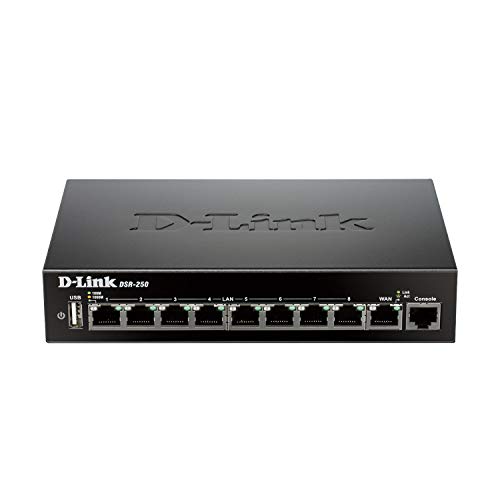
D-Link VPN Router, 8 Port Gigabit with Dynamic Web Content Filtering (DSR-250)
High speed router with integrated VPN tunnel support for secure remote network access
As an affiliate, we earn on qualifying purchases.
As an affiliate, we earn on qualifying purchases.
Conclusion
You might think the dark web is a lawless, dangerous place, but it’s more complex than myths suggest. Only about 4% of the internet is accessible via Tor, making it a small part of the overall online world. While it hosts illegal activities, most users explore it for privacy and free expression. Understanding the realities helps you stay informed and cautious, rather than fearful, about this hidden digital domain.

10Pcs Nonverbal Communication Board Waterproof Aphasia Patient Communication Tools Durable Non Verbal Communication Device Cards for Nonverbal Adults, Kids
What You Will Get: The package includes 10pcs double-sided communication nonverbal communication board, 10.6 x 13.8 inch/27 x…
As an affiliate, we earn on qualifying purchases.
As an affiliate, we earn on qualifying purchases.

The Dark Web and Scams: A Guide for Personal Cybersecurity
As an affiliate, we earn on qualifying purchases.
As an affiliate, we earn on qualifying purchases.