
The convergence of IT and OT security brings significant challenges, especially around protecting legacy industrial systems that weren’t designed with security in mind. Connecting OT devices to broader networks exposes vulnerabilities in protocols like Modbus and DNP3, increasing risks of cyber threats. To manage these issues, you should implement network segmentation, use gateways, and deploy specialized security tools. If you want to explore practical solutions for safeguarding your operations amid these complex threats, keep exploring further.
Key Takeaways
- Merging IT and OT security domains increases operational visibility but exposes legacy systems to cyber vulnerabilities.
- Industrial protocols like Modbus and DNP3 lack modern security features, heightening attack risks.
- Direct integration of OT with corporate networks can compromise critical operational and safety systems.
- Implementing network segmentation and protocol gateways helps protect legacy assets from cyber threats.
- Continuous monitoring, vulnerability assessments, and tailored cybersecurity practices are essential for effective convergence.

As organizations increasingly rely on interconnected systems, the line between IT (Information Technology) and OT (Operational Technology) security is blurring. This convergence brings both opportunities and challenges, especially when it comes to managing diverse industrial protocols and legacy systems. You need to understand that OT environments often run on older, specialized equipment designed decades ago with minimal security considerations. These legacy systems were not built to withstand modern cyber threats, making them vulnerable entry points if connected to the broader network. Meanwhile, industrial protocols like Modbus, DNP3, and Profibus were developed for reliability and real-time control, not security. When these protocols are integrated with IT systems, their inherent vulnerabilities can be exploited by cybercriminals, risking operational disruptions and safety hazards.
Integrating legacy OT systems with IT increases vulnerabilities due to outdated equipment and insecure industrial protocols.
You might find it tempting to connect OT devices directly to corporate networks to streamline data flow, but that exposes legacy systems to new risks. Because these systems often lack built-in security features, they can be easily compromised once they’re on the same network as IT systems. The challenge lies in balancing the need for operational visibility and control with maintaining the integrity of these older systems. Implementing network segmentation becomes essential; isolating legacy systems and industrial protocols reduces the attack surface. You should also consider deploying gateways or protocol converters that translate legacy signals into more secure, modern formats, giving you control over what data passes between systems. This way, you can monitor and filter communications without exposing critical OT assets.
It’s also *indispensable* to update your approach to security policies. Traditional IT security measures like firewalls and antivirus tools may not be enough for OT environments. You need specialized solutions tailored to industrial protocols and legacy systems, such as intrusion detection systems designed for industrial networks. Regular vulnerability assessments are *imperative* to identify weak points before attackers do. *Additionally*, training your personnel on the unique risks of industrial protocols and legacy systems ensures they understand how to detect anomalies and respond swiftly.
Furthermore, staying informed about emerging AI vulnerabilities and how they could potentially affect OT security is crucial in developing resilient defenses.
In essence, the convergence of IT and OT security demands a tailored strategy that respects the unique characteristics of industrial protocols and legacy systems. You must bridge the gap between modern cybersecurity practices and the operational realities of older equipment. By implementing network segmentation, protocol gateways, and specialized security tools, you can protect your operational environment without compromising efficiency. The key is to stay proactive, continuously assess risks, and adapt your defenses to the evolving threat landscape, *guaranteeing* your critical systems remain secure amid this convergence.
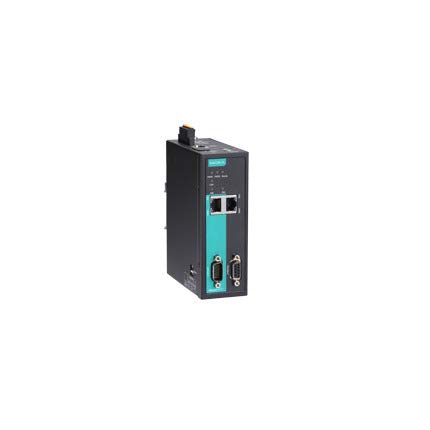
MOXA MGate 5111 Industrial Ethernet Gateway, Protocol Converter, 1-Port Modbus/EtherNet/IP-to-PROFINET Gateway, -40 to 75°C Operating Temperature
As an affiliate, we earn on qualifying purchases.
As an affiliate, we earn on qualifying purchases.
Frequently Asked Questions
How Can Organizations Measure the Success of IT and OT Security Convergence?
You can measure the success of IT and OT security convergence by tracking security metrics like incident response times, breach frequency, and system uptime. Performance benchmarks such as compliance levels, threat detection accuracy, and recovery speed help you evaluate progress. Regularly reviewing these metrics enables you to identify gaps, improve strategies, and guarantee your integrated security approach effectively safeguards both IT and OT environments.
What Are the Key Skills Required for Integrating IT and OT Security Teams?
Imagine a bridge connecting two islands, each with its own language—this is cross-disciplinary collaboration. To integrate IT and OT security teams effectively, you need strong communication, risk assessment skills, and a shared understanding of vulnerabilities. You should foster teamwork, encourage knowledge sharing, and develop expertise in both domains, so they work seamlessly together, reducing risks and strengthening overall security. These skills create a resilient, unified defense against evolving threats.
How Does Regulatory Compliance Impact IT and OT Security Integration?
Regulatory compliance substantially impacts your IT and OT security integration by introducing regulatory hurdles that must be navigated carefully. You need to align your security practices with compliance frameworks like NIST or IEC 62443, ensuring all protocols meet legal standards. This requires ongoing assessments and updates to maintain compliance, which helps you mitigate risks, avoid penalties, and build trust with stakeholders. Staying proactive ensures seamless integration while adhering to evolving regulatory demands.
What Are the Latest Technological Innovations Facilitating Convergence?
Imagine you’re stepping into the future, where Industrial IoT and AI-driven security are leading the way. These innovations enable seamless integration by providing real-time data analytics, predictive threat detection, and automated responses. You can leverage smart sensors, machine learning algorithms, and unified platforms to strengthen both IT and OT security. This technology helps you stay ahead of cyber threats, ensuring operational continuity and regulatory compliance with minimal manual intervention.
How Should Organizations Handle Legacy OT Systems During Integration?
You should start by conducting a thorough risk assessment of your legacy OT systems to identify vulnerabilities. Then, implement segmentation to isolate these systems from your main network, reducing potential attack surfaces. Consider deploying additional security controls like firewalls and intrusion detection systems. Regularly update and patch where possible, and develop a clear plan for gradually replacing or modernizing legacy systems to guarantee ongoing security during integration.

Network Tool Kit, ZOERAX 11 in 1 Professional RJ45 Crimp Tool Kit – Pass Through Crimper, RJ45 Tester, 110/88 Punch Down Tool, Stripper, Cutter, Cat6 Pass Through Connectors and Boots
Professional Network Tool Kit: Securely encased in a portable, high-quality case, this kit is ideal for varied settings…
As an affiliate, we earn on qualifying purchases.
As an affiliate, we earn on qualifying purchases.
Conclusion
As you navigate the convergence of IT and OT security, remember it’s like weaving a sturdy fabric from different threads. Challenges may seem like storms on the horizon, but with proactive strategies, you can anchor your defenses firm. Embrace collaboration and innovative solutions like a skilled sailor steering through turbulent waters. Ultimately, integrating these domains isn’t just a task—it’s crafting a resilient fortress where your operations can thrive safely amidst the chaos.

Waveshare 8-Ch Ethernet Relay Module, Modbus RTU/Modbus TCP Protocol, PoE Port Communication, with Various Isolation and Protection Circuits, Industrial Grade Rail-Mount Case
Features flash-on, flash-off function, by passing argument to the command, it is possible to turn on the relay…
As an affiliate, we earn on qualifying purchases.
As an affiliate, we earn on qualifying purchases.

MOXA MGate 5109 1-Port Modbus RTU/ASCII/TCP-to-DNP3 Serial/TCP/UDP Gateways, 0 to 60°C op Temp, for Modbus RTU/ASCII/TCP and DNP3 Serial/TCP/UDP Protocol Conversion.
As an affiliate, we earn on qualifying purchases.
As an affiliate, we earn on qualifying purchases.