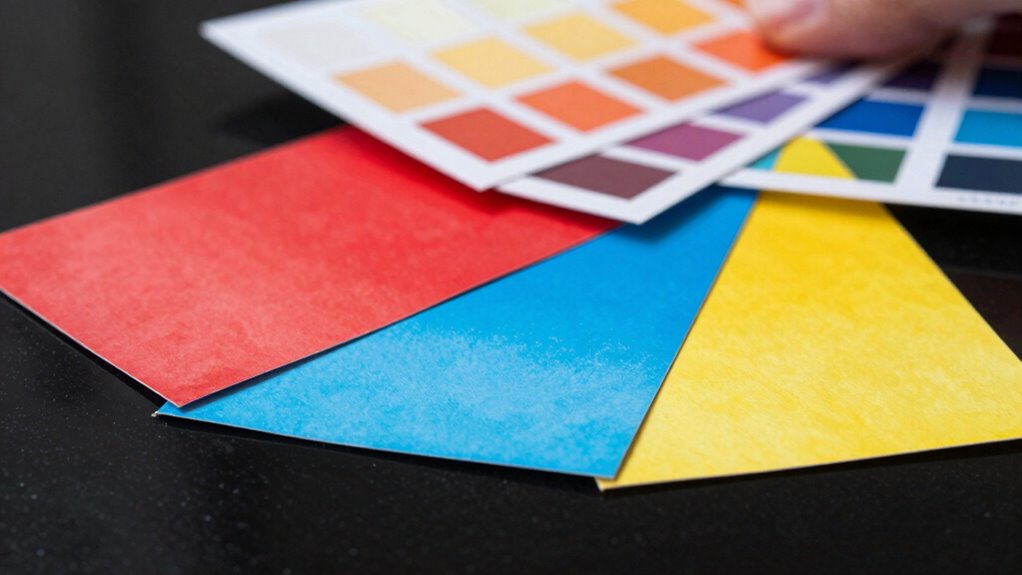
Color personality tests can give you quick insights into your traits and behaviors, helping you understand yourself and others better. They’re easy to use and can spark self-reflection or improve team dynamics. However, keep in mind these tests often lack scientific backing and can oversimplify complex personalities. Their accuracy varies, and results should be taken with caution. If you want to explore how these insights work and their limits, you’ll find useful details as you continue.

Get privacy and security gear delivered free with Prime
- Fast, free delivery on millions of items
- Prime Video, Amazon Music and more included
- Member-only deals all year
Key Takeaways
- Highlights emotional insights and personal preferences but simplifies complex personalities into broad categories.
- Useful for self-reflection and team-building but lacks scientific rigor and reliability.
- Subjective interpretation influences accuracy, making results variable and context-dependent.
- Best used as conversation starters and supplementary tools, not definitive personality assessments.
- May lead to assumptions; should be combined with more comprehensive evaluations for accurate insights.
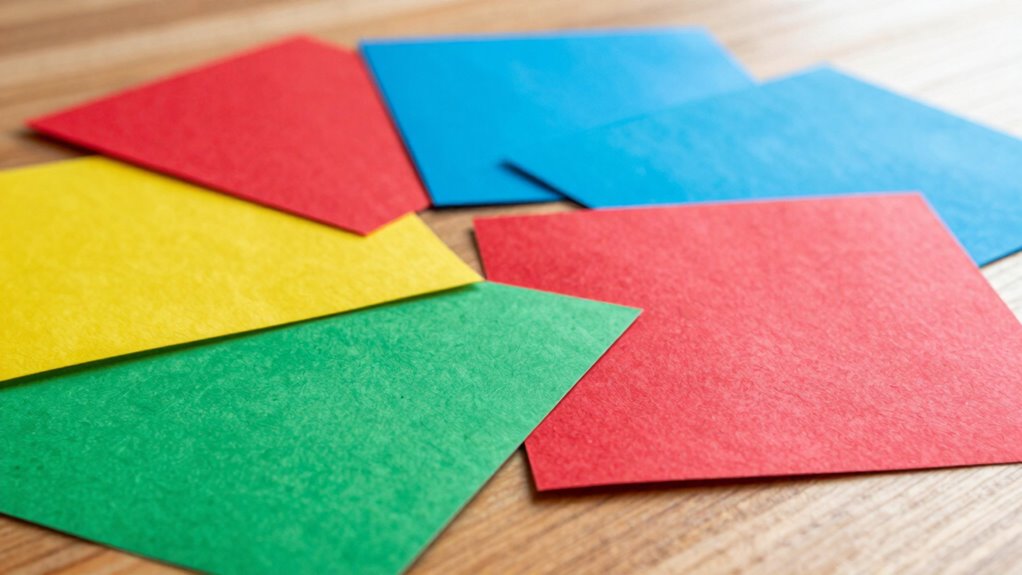
Color personality tests have gained popularity as simple tools to help you understand yourself better by associating colors with different traits. They’re often used as quick, engaging ways to explore your emotional insights and gain a better grasp of your personality. These tests can highlight core aspects of your behavior, preferences, and emotional tendencies, making them useful for personal growth and self-awareness. In particular, understanding your emotional insights through color associations can help you recognize patterns in how you respond to stress, conflict, or joy. For instance, you might discover that you associate the color red with passion or urgency, which reveals your energetic or reactive tendencies. Similarly, blue might symbolize calmness, indicating your inclination toward serenity or introspection. Such insights can guide you in managing your emotions more effectively, fostering better relationships, and improving your mental health.
When it comes to workplace applications, color personality tests can offer practical benefits. They can help you identify your strengths, such as your ability to lead, collaborate, or adapt to change. Recognizing your dominant traits enables you to position yourself in roles or tasks where you’re most likely to excel. *furthermore*, understanding the emotional insights of colleagues can improve team dynamics. For example, if a coworker responds strongly to the color yellow, which symbolizes optimism and creativity, you might tailor your communication to motivate or support their strengths. Employers may also use these tests during team-building exercises, helping teams appreciate diverse working styles and foster a more cohesive environment. However, while these tests can provide initial guidance, they shouldn’t be the sole basis for critical decisions. They tend to simplify complex personalities into broad categories, which can lead to stereotypes or overlook individual nuances. Additionally, the accuracy of these tests can be influenced by the subjective interpretation of the results, emphasizing the importance of viewing them as supplementary tools rather than definitive measures. It’s also important to consider that the reliability of these tests can vary widely, depending on how they are constructed and administered. Moreover, understanding the psychological frameworks behind such tests can help you better evaluate their validity and applicability. Recognizing that some tests are based on visual associations rather than scientifically validated models can further inform your use of them. It’s worth noting that test construction methods significantly impact their overall accuracy and usefulness.
Despite their popularity, color personality tests have limitations. They often lack scientific rigor, relying on subjective interpretations rather than validated psychological frameworks. This means that the emotional insights gained might not always be accurate or applicable in every context. Additionally, these tests tend to classify people into fixed categories, ignoring the fluidity of human personalities that can change over time or in different situations. Relying too heavily on the results can lead you to make assumptions about yourself or others that aren’t entirely true. It’s important to see color personality tests as fun and insightful tools rather than definitive assessments. They can serve as conversation starters and self-reflection aids, but you should always complement them with more *extensive* evaluations and personal experiences. In the end, recognizing their strengths and limitations helps you use these tests wisely, ensuring they enrich rather than restrict your understanding of yourself and others.
As an affiliate, we earn on qualifying purchases.
Frequently Asked Questions
How Accurate Are Color Personality Tests in Predicting Behavior?
Color personality tests can offer some insights, but they aren’t highly accurate in predicting behavior. Your color interpretation might reveal emotional tendencies, helping you understand yourself better. However, these tests tend to oversimplify complex personalities and lack scientific backing. So, while they can provide emotional insight and spark self-awareness, don’t rely solely on them for predicting how you or others will behave in specific situations.
Can Color Personality Tests Be Biased or Culturally Influenced?
Yes, color personality tests can be biased or culturally influenced. You might notice cultural biases because different cultures interpret colors uniquely, leading to diverse color perception differences. This means your responses could be shaped by your cultural background, impacting the test’s accuracy. As a result, the tests might not always provide an objective view of your personality, especially if cultural factors heavily influence your understanding of certain colors.
Are Color Personality Tests Suitable for Workplace Assessments?
Color personality tests can be suitable for workplace assessments when used thoughtfully. They leverage color psychology to provide insights into individual traits, helping improve workplace dynamics. However, you should remember they’re not thorough and might oversimplify personalities. Use them as a starting point for understanding employees, not the sole basis for decisions. Combining these tests with other assessments ensures a more balanced view of each person’s strengths and needs.
How Often Should One Retake a Color Personality Test?
You should retake a color personality test when you notice significant changes in your behavior or mindset, typically every 6 to 12 months, following test frequency guidelines. Regular retakes help confirm your results remain accurate and relevant. Keep in mind, retake guidelines suggest only doing so when genuine shifts occur, rather than frequently, to avoid skewed or inconsistent insights about your personality over time.
Do Color Personality Tests Work Well With Other Personality Assessments?
Color personality tests work surprisingly well with other assessments, especially when you consider color symbolism and cultural interpretations. You might find it like combining a superhero with a detective—each adds a layer to understanding yourself. These tests complement personality assessments by tapping into subconscious cues and cultural meanings. When used together, they create a richer, more nuanced picture of who you are, making self-discovery more exciting and insightful.
emotional intelligence self-assessment tools
As an affiliate, we earn on qualifying purchases.
As an affiliate, we earn on qualifying purchases.
Conclusion
Understanding the strengths and limitations of the color personality test helps you use it wisely. While it can reveal insightful traits—like how 70% of users report increased self-awareness—it’s not foolproof. Keep in mind, your personality is complex and shaped by many factors. So, use this tool as a starting point for self-discovery, rather than a definitive label. Embrace its insights, but stay open to deeper understanding beyond just colors.
team-building color personality cards
As an affiliate, we earn on qualifying purchases.
As an affiliate, we earn on qualifying purchases.
As an affiliate, we earn on qualifying purchases.
Fall Picks
fall essentials
As an affiliate, we earn on qualifying purchases.