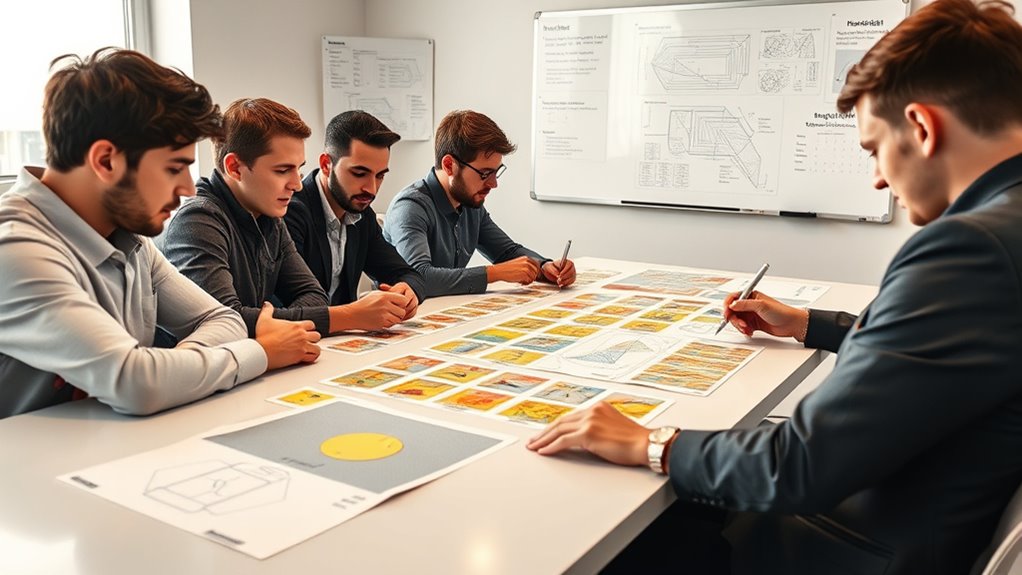

To learn from memory champions, focus on their key techniques like mnemonic strategies and memory palaces. They train by transforming information into visual stories or spatial layouts, making recall easier. Regular practice is essential for mastering these methods and improving your capacity to memorize quickly. By consistently applying these techniques, you can turn overwhelming data into memorable chunks. Keep exploring, and you’ll uncover more strategies to boost your memory skills even further.
Key Takeaways
- Memory champions extensively practice mnemonic strategies like acronyms, rhymes, and visual associations to enhance recall.
- They utilize memory palace techniques, visualizing familiar spaces to organize and retrieve large amounts of information efficiently.
- Consistent, deliberate training develops speed and accuracy in memorization through repetitive exercises.
- They break complex data into manageable chunks, turning overwhelming information into memorable units.
- Regularly applying these techniques in real-world scenarios improves long-term retention and mental agility.

Have you ever wondered how some people can memorize vast amounts of information with astonishing speed and accuracy? The secret often lies in their use of specialized training techniques, which you can learn and apply yourself. Two of the most effective methods are mnemonic strategies and memory palace techniques. These tools transform the way you encode and retrieve information, turning what seems overwhelming into manageable, memorable chunks.
Mnemonic strategies act as mental shortcuts, helping you associate new information with familiar concepts, phrases, or images. For example, when you need to remember a list, you might create an acronym or a vivid story linking each item. Mnemonics work because they engage your brain’s natural pattern-recognition abilities, making recall quicker and more reliable. You can craft rhymes, visual associations, or even silly phrases to anchor the facts you want to remember. These tricks are especially useful for memorizing sequences, numbers, or complex data that might otherwise be difficult to retain.
Memory palace techniques, on the other hand, take advantage of your spatial memory. Imagine a familiar place—your childhood home, a walk through your neighborhood, or a building you know well. You then mentally place the items you need to remember at specific locations within this space. When it’s time to recall, you mentally walk through your memory palace, retrieving each item as you encounter its designated spot. This method leverages your brain’s powerful ability to remember spatial information, making it easier to organize and retrieve large sets of data. It’s a technique used by memory champions to memorize hundreds of words, numbers, or images in a very short period.
Both mnemonic strategies and memory palace techniques require practice, but once mastered, they can dramatically improve your memory. Start small by creating simple mnemonics for everyday tasks or try visualizing a familiar route to anchor your memory. Over time, expand your mental palace and develop more complex associations. The key is consistency—regularly training your mind with these techniques enhances your capacity to remember and recall information with precision and speed. Whether you’re studying for an exam, preparing for a presentation, or just trying to remember names and dates, these methods can make a significant difference. Consistent practice with these techniques can help you emulate memory champions and unlock your brain’s full potential for learning and retention.

The Memory Book: The Classic Guide to Improving Your Memory at Work, at School, and at Play
The Memory Book
As an affiliate, we earn on qualifying purchases.
As an affiliate, we earn on qualifying purchases.
Frequently Asked Questions
How Do Memory Champions Maintain Motivation During Training?
You stay motivated during training by setting clear, achievable goals that boost your intrinsic motivation. When you track your progress and celebrate small wins, it keeps your enthusiasm high. Visualizing success and reminding yourself of your purpose helps maintain focus. Consistently challenging yourself with new memory techniques also keeps training engaging, making it easier to stay committed and motivated over the long term.
What Common Mistakes Do Beginners Make in Memory Training?
As a beginner, you often make mnemonic errors, like mixing up similar words or images, which can hinder your progress. You might also fall into association pitfalls, such as creating weak or irrelevant links that don’t stick. To improve, focus on clear, vivid associations and review your mnemonics regularly. Avoid rushing through techniques, and practice consistently to strengthen your memory skills and reduce these common mistakes.
How Long Does It Typically Take to See Progress?
You’ll typically see progress within a few weeks, with noticeable improvements in your memory benchmarks and training duration. Consistent practice, focused effort, and patience accelerate your growth. As you train regularly, you’ll hit small milestones, like recalling more items or faster recall times. Remember, progress varies for everyone, but staying committed helps you reach your memory goals quicker, turning initial efforts into lasting skills.
Are There Specific Diets That Enhance Memory Performance?
You can boost your memory by focusing on memory enhancing foods and cognitive nutrition. Incorporate foods rich in omega-3 fatty acids, antioxidants, and vitamins, like fatty fish, berries, nuts, and leafy greens. These nutrients support brain health and improve memory performance. Avoid processed foods high in sugar and trans fats. A balanced diet with these memory-boosting choices helps sharpen focus, enhance recall, and sustain cognitive function over time.
Can Memory Techniques Be Adapted for Children or Seniors?
Think of adapting memory techniques like painting with different brushes. You can definitely modify them for children and seniors. For children, use child-friendly mnemonics that are colorful and fun, like story-based or visual aids. For seniors, focus on senior memory exercises that are gentle and engaging, emphasizing repetition and association. These tailored methods make learning enjoyable and effective, helping all ages boost their memory skills comfortably.
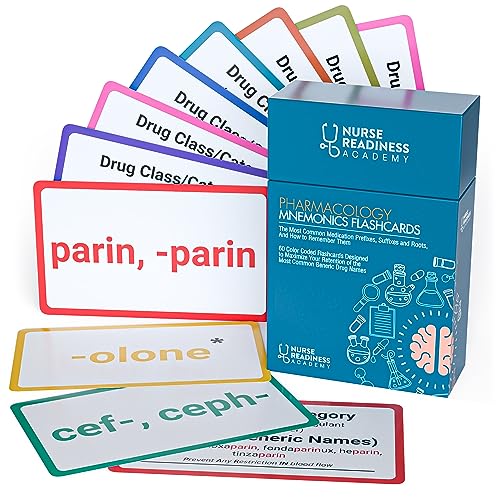
Pharmacology Mnemonics Flashcards: 60 Color Coded Flashcards for Learning The Most Common Generic Drug Names – for Nursing Students, Pharmacy Techs, and Med Students
FEELING OVERWHELMED BY PHARMACOLOGY? – We get it, Pharm is tough. There's enough information to make your head…
As an affiliate, we earn on qualifying purchases.
As an affiliate, we earn on qualifying purchases.
Conclusion
Now that you know the training techniques used by memory champions, you’re ready to sharpen your skills. Remember, practice makes perfect, and every effort brings you closer to mastering your memory. Don’t be afraid to step out of your comfort zone and try new methods. Keep at it, and soon you’ll see the fruits of your labor. With dedication, you’ll turn the tables and surprise everyone—showing that you can indeed learn new tricks and keep your mind sharp as a tack.

Hidden Memory – Haunted House Free!
Free game!
As an affiliate, we earn on qualifying purchases.
As an affiliate, we earn on qualifying purchases.

Keep Your Brain Alive: 83 Neurobic Exercises to Help Prevent Memory Loss and Increase Mental Fitness
Keep Your Brain Alive: 83 Neurobic Exercises to Help Prevent Memory Loss and Increase Mental Fitness
As an affiliate, we earn on qualifying purchases.
As an affiliate, we earn on qualifying purchases.