Engaging regularly in crosswords boosts your brain by strengthening neural connections and stimulating critical thinking. It helps expand your vocabulary, improves communication skills, and sharpens pattern recognition and problem-solving abilities. Crosswords also support cognitive health, potentially delaying age-related decline, and provide a sense of achievement that boosts motivation. Keep exploring to discover how continuing this mental exercise can keep your mind sharp and resilient over time.
Key Takeaways
- Crosswords stimulate neural connections, promoting mental agility and helping delay cognitive decline with age.
- Engaging with crosswords expands vocabulary and enhances language skills through repeated exposure to diverse words.
- Solving crosswords improves pattern recognition, logical reasoning, and problem-solving abilities.
- Regularly completing crosswords supports overall cognitive health and may protect against memory loss.
- The sense of achievement and enjoyment from crosswords boost mood and reinforce consistent mental exercise habits.
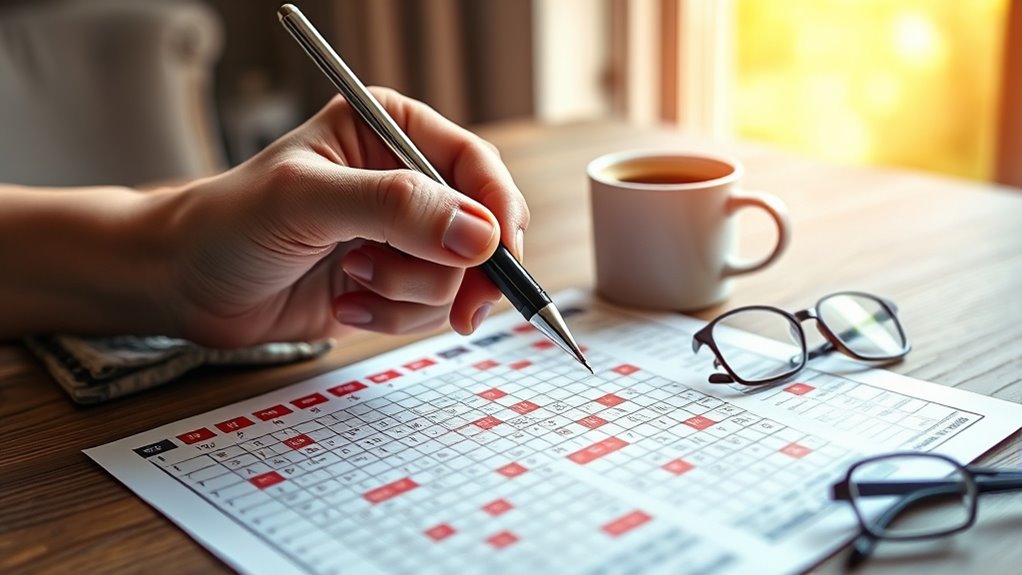
Crosswords are more than just a fun pastime; they offer significant cognitive benefits that can sharpen your mind. When you solve puzzles regularly, you engage in mental stimulation that keeps your brain active and healthy. This mental workout pushes you to think critically, analyze clues, and recall information, which collectively bolster your cognitive abilities. As you work through each grid, you’re not just passing time—you’re actively strengthening neural connections, helping to keep your mind agile over the years.
Crosswords stimulate your brain, strengthen neural connections, and keep your mind sharp over the years.
One of the key advantages of doing crosswords is their ability to enhance your vocabulary. Each puzzle introduces you to new words or reinforces familiar ones, expanding your language skills in an enjoyable way. As you encounter unfamiliar terms, you’re encouraged to look up definitions or infer meanings from context, which deepens your understanding and retention. Over time, this process not only enriches your vocabulary but also improves your communication skills, making you more articulate in everyday conversations.
Beyond vocabulary, crosswords challenge your pattern recognition and problem-solving abilities. You learn to see relationships between clues and answers, developing your logical reasoning and attention to detail. This mental agility translates into better performance in other areas of life that require strategic thinking or quick decision-making. The consistent practice of deciphering clues and filling in answers keeps your brain adaptable and resilient.
Furthermore, tackling crosswords can serve as a form of mental exercise that may help delay cognitive decline. Scientific studies suggest that engaging in activities that require active thinking and learning can protect against age-related memory loss and cognitive deterioration. By regularly stimulating your brain with puzzles, you’re giving yourself a form of cognitive insurance, helping to maintain mental sharpness well into older age. Additionally, some studies indicate that integrating brain-stimulating activities like crosswords with other healthy habits, such as physical exercise and proper nutrition, can enhance overall cognitive resilience.
In addition to the cognitive benefits, crosswords can also boost your mood. The satisfaction of completing a difficult puzzle provides a sense of achievement, which can boost your confidence and motivation to keep challenging yourself. This positive reinforcement encourages you to form a habit of mental exercise, creating a cycle of ongoing brain health benefits.

Medium Crossword Puzzle Book For Adults and Seniors with 100 Puzzles: Entertaining Brain Workouts, Fuel Your Mind with Fun Challenges for Focus and Relaxation (The Perfect Gift for Crossword Lovers)
As an affiliate, we earn on qualifying purchases.
As an affiliate, we earn on qualifying purchases.
Frequently Asked Questions
Can Crosswords Help Prevent Age-Related Cognitive Decline?
You might wonder if crosswords can prevent age-related cognitive decline. Engaging regularly in crosswords boosts neuroplasticity enhancement, helping your brain form new connections. This activity also promotes mental agility, keeping your mind sharp as you age. By challenging your brain with puzzles, you actively support cognitive health, potentially delaying decline. So, yes—making crosswords a habit can be a simple, enjoyable way to maintain your mental sharpness over time.
Are Crosswords Effective for Language Learning or Vocabulary Building?
You’ll find that crosswords are quite effective for language learning and vocabulary building. By regularly solving them, you actively engage with new words, which promotes vocabulary expansion and improves your language acquisition skills. The process encourages you to think critically and recall words, making your learning more interactive and enjoyable. Over time, this habit helps you gain confidence, enhances your understanding, and enriches your overall language proficiency.
How Do Crosswords Compare to Other Brain-Training Activities?
You might find it surprising, but crosswords uniquely boost your mental agility and problem-solving skills compared to other brain-training activities. While apps and puzzles can target specific skills, crosswords engage your vocabulary, reasoning, and pattern recognition all at once. They challenge you to think critically and adapt quickly, making them a versatile way to sharpen your mind. So, when it comes to mental agility, crosswords hold a special place.
What Are the Best Difficulty Levels for Maximizing Cognitive Benefits?
When choosing crossword difficulty levels, focus on difficulty progression to keep your brain engaged without causing frustration. You should aim for a challenge balancing approach, gradually increasing puzzle complexity as your skills improve. This steady progression helps maximize cognitive benefits by stimulating different mental faculties. Avoid puzzles that are too easy or overwhelmingly hard, and regularly adjust difficulty to maintain a productive and enjoyable challenge that promotes continuous mental growth.
Do Crosswords Benefit Individuals With Cognitive Impairments or Dementia?
Think of your mind as a garden that needs nurturing. Crosswords can be a gentle rain, helping individuals with cognitive impairments or dementia. They promote memory enhancement and problem-solving skills, offering mental stimulation that may slow decline. While they won’t cure, these puzzles can brighten days and strengthen existing connections, like watering a fragile plant. Engaging regularly keeps the mind active and resilient, helping maintain quality of life.
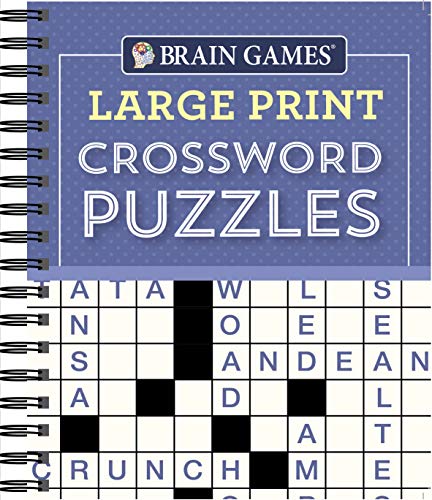
Brain Games – Large Print Crossword Puzzles (Purple)
As an affiliate, we earn on qualifying purchases.
As an affiliate, we earn on qualifying purchases.
Conclusion
By regularly solving crosswords, you boost your memory and problem-solving skills. Studies show that just 15 minutes a day can help keep your brain sharp as you age, reducing the risk of cognitive decline by up to 15%. So, next time you pick up a crossword, remember you’re not just having fun—you’re giving your brain a powerful workout. Keep puzzle-solving, and enjoy the long-term cognitive benefits it brings!

VARIETY SAVINGS 5-Pack 450+ Travel-Size Crosswords Puzzle Books for Adults, Aging Seniors Brain Stimulation Large Print Words Activity Books (Variety Pack Bulk), Paperback – Digest Size 8×5”
MANY THEMES TO CHOOSE FROM: Improve your memory, sharpen your mind, and have fun at the same time!…
As an affiliate, we earn on qualifying purchases.
As an affiliate, we earn on qualifying purchases.

The New York Times Terrific Tuesday Crosswords: 50 Easy Puzzles from the Pages of The New York Times
As an affiliate, we earn on qualifying purchases.
As an affiliate, we earn on qualifying purchases.