

To effectively train your brain as an older adult, mix various activities like memory exercises, problem-solving, and quick thinking, keeping routines consistent yet varied. Use digital apps alongside offline activities such as reading and socializing, and maintain a healthy lifestyle with good sleep and nutrition. Regular practice, short daily sessions, and using feedback tools boost results. Keep exploring different strategies—your brain’s resilience depends on it, and there’s more to discover.
Key Takeaways
- Use a variety of exercises targeting memory, problem-solving, and cognitive flexibility to promote comprehensive mental engagement.
- Incorporate daily, short sessions and establish consistent routines to maximize long-term benefits.
- Combine digital apps with offline activities like reading and social interaction for a balanced approach.
- Rotate different activity types regularly to prevent mental stagnation and stimulate different neural pathways.
- Support brain training with healthy lifestyle practices such as adequate sleep, nutrition, physical activity, and social engagement.

As we age, maintaining sharp cognitive skills becomes increasingly important, and brain training offers a promising way to do so. When you engage in targeted activities, you can improve memory enhancement and boost cognitive flexibility, which are essential for everyday functioning and quality of life. Memory enhancement involves exercises that challenge your ability to recall information, recognize patterns, and retain new knowledge. These activities might include puzzles, mnemonic devices, or digital apps designed to stimulate your memory circuits. Regular practice helps strengthen neural pathways, making it easier to remember names, appointments, or where you left your keys. Incorporating quality assessment techniques can also help identify the most effective exercises for your individual needs.
Engaging in targeted activities enhances memory and supports daily cognitive function as we age.
Cognitive flexibility, on the other hand, refers to your brain’s ability to adapt to new information, switch between tasks, and think creatively. To enhance this skill, you should engage in activities that push you outside your comfort zone and require mental shifting. For example, learning a new language, playing strategy games, or solving complex problems can considerably improve your cognitive flexibility. These exercises encourage your brain to form new connections and adapt to changing demands, which is essential for adapting to new routines or unexpected challenges.
Incorporating variety into your brain training routines is essential. Don’t stick to one type of activity; instead, rotate between memory exercises, problem-solving tasks, and activities that require quick thinking. This variety prevents mental stagnation and keeps your brain engaged. Additionally, it’s best to set aside consistent, dedicated time for brain training—preferably daily—to build a habit that yields long-term benefits. Short, frequent sessions are often more effective than infrequent, lengthy ones, as they help your brain stay engaged without becoming overwhelmed.
Using technology can be remarkably helpful, especially apps and computer programs designed specifically for older adults. These tools often include games and exercises tailored to improve memory and cognitive flexibility, providing immediate feedback and progress tracking. However, don’t rely solely on digital solutions—mix in offline activities like reading, social interaction, or physical exercise, which also support cognitive health.
Finally, remember that brain training is most effective when combined with a healthy lifestyle. Adequate sleep, balanced nutrition, regular physical activity, and social engagement all contribute to better cognitive function. By consistently applying these best practices, you can maximize memory enhancement and cognitive flexibility, helping you stay sharp and adaptable as you age.

Word Wildlife Zen Connect – Free Relaxing Puzzle Search for Kindle Fire – Fun Daily Mind Training Brain Game – Play Swipe Cross Trip to Relax Seniors Adults and Friends
Relaxing Word Gameplay: Swipe letters to solve soothing puzzles arranged in enjoyable word columns.
As an affiliate, we earn on qualifying purchases.
As an affiliate, we earn on qualifying purchases.
Frequently Asked Questions
How Long Should Each Brain Training Session Last?
You should aim for a session duration of about 20 to 30 minutes to achieve the best length for brain training. This timeframe keeps you engaged without causing fatigue or boredom. Shorter, consistent sessions are more effective than longer, infrequent ones. Focus on maintaining quality over quantity, ensuring your mind remains alert and receptive. Regular, well-paced training helps improve cognitive function over time without overwhelming you.
Are There Any Risks or Side Effects Involved?
You should be aware that brain training generally has minimal risks, but possible side effects like fatigue or frustration can occur. To guarantee safety, follow safety precautions such as starting with shorter sessions and gradually increasing difficulty. If you experience headaches or dizziness, stop and consult a healthcare professional. Staying attentive to your body’s responses helps minimize risks, making brain training a safe and beneficial activity when practiced responsibly.
Can Brain Training Replace Medication for Cognitive Issues?
Brain training can’t replace medication for cognitive issues, but it can serve as a powerful supplement, a gentle boost, a supportive partner in your cognitive enhancement journey. Think of it as a way to strengthen your mental muscles, sharpen your focus, and boost your memory. While medication may address underlying causes, brain training offers a non-invasive, accessible alternative that complements traditional treatments, helping you stay engaged and mentally active.
How Often Should Older Adults Update Their Training Routines?
You should update your training routine every few months to keep it effective. Regularly adjusting your training frequency and introducing new exercises helps prevent plateaus and keeps your brain engaged. Pay attention to how you feel—if your current routine becomes too easy or boring, it’s time for routine modifications. Staying consistent with these updates ensures your brain training remains challenging and beneficial over time.
Is Brain Training Effective for Severe Cognitive Decline?
Think of brain training like watering a wilting plant; it can help, but may not fully revive severe decline. For those with significant cognitive challenges, training effectiveness diminishes, acting more like a gentle breeze than a storm. While it might slow deterioration and boost some functions, it won’t completely reverse severe decline. So, consider brain exercises as part of a broader care plan, rather than a magic cure.

The Easy and Relaxing Memory Activity Book for Adults: Includes Relaxing Memory Activities, Easy Puzzles, Brain Games and More
As an affiliate, we earn on qualifying purchases.
As an affiliate, we earn on qualifying purchases.
Conclusion
As you embrace brain training, remember that aging is inevitable, yet your mental agility isn’t fixed. While time may bring changes, your effort can keep your mind sharp, much like a muscle that benefits from regular exercise. Don’t see decline as destiny—view it as an opportunity to strengthen your cognitive resilience. In this dance between aging and activity, your dedication becomes the rhythm that sustains your mental vibrancy.
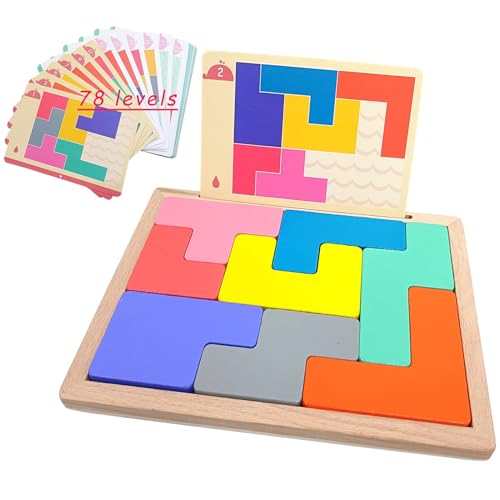
TieGokii Dementia Activities for Seniors,Wooden Puzzles Gifts,Geometric Cognitive Products & Training Games for Alzheimers Elderly
Wooden Puzzles Gifts for Dementia Senior – Engaging with shape-based puzzles encourages cognitive interaction,keeps the brain and hands…
As an affiliate, we earn on qualifying purchases.
As an affiliate, we earn on qualifying purchases.

Large Print Memory Puzzles: 175+ Puzzles and Activities for Adults to Exercise Memory and Improve Focus – Includes Spiral Bound / Lay Flat Design and … Font for Easy Reading (Brain Busters)
As an affiliate, we earn on qualifying purchases.
As an affiliate, we earn on qualifying purchases.