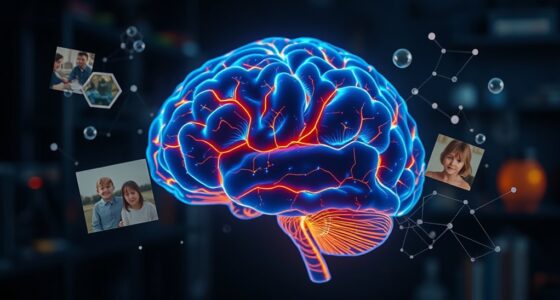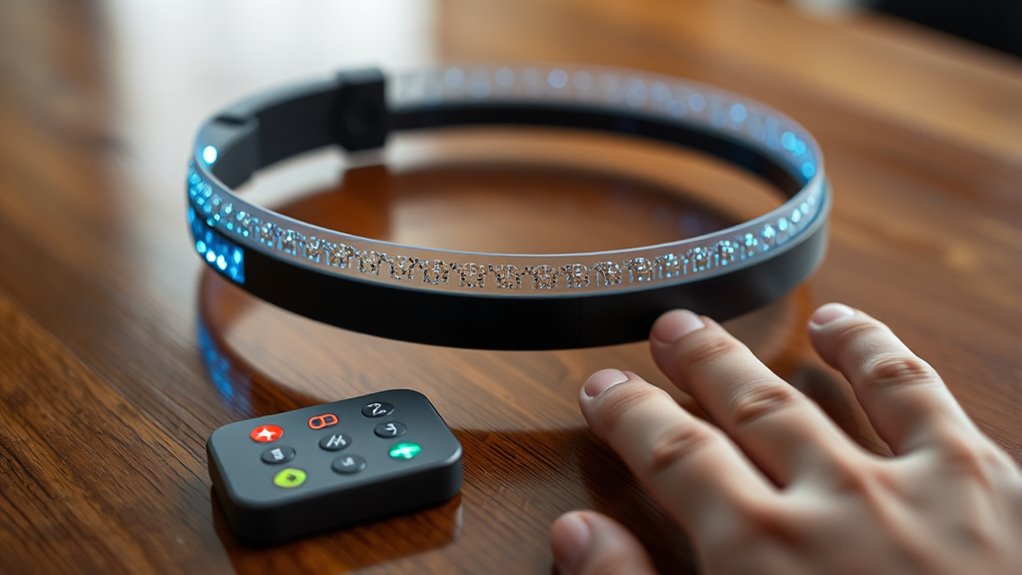
When evaluating brain training devices, focus on how well sensors like EEG headbands and eye-trackers monitor your brain activity in real time. Effective feedback, such as visual cues or progress updates, keeps you motivated and helps adapt challenges to your skill level. Devices that incorporate engaging elements like gamification and personalized insights promote sustained use and meaningful neuroplastic changes. To discover how these features enhance cognitive benefits, keep exploring what makes a device truly effective.
Key Takeaways
- Effective brain training devices utilize sensors like EEG and eye-tracking to monitor neural and physiological responses during exercises.
- Real-time feedback through visual and auditory cues enhances user engagement and provides immediate performance insights.
- Personalized challenges, enabled by sensor data, promote neuroplasticity and tailored cognitive improvements.
- Gamification and goal-setting features increase motivation and sustain user participation over time.
- Clear, actionable feedback fosters a sense of achievement, encouraging ongoing effort and maximizing cognitive benefits.
With the growing popularity of brain training devices, many people are anxious to find out if these tools genuinely enhance cognitive abilities. These devices often claim to boost memory, attention, and problem-solving skills, but the key to their effectiveness lies in how well they engage your brain’s neuroplasticity. Neuroplasticity research shows that your brain can reorganize itself by forming new neural connections when exposed to targeted activities. To truly benefit from brain training, the devices must incorporate user engagement strategies that keep you motivated and challenge your brain in meaningful ways. Without effective engagement, your brain may not undergo the necessary adaptations, rendering the training less effective over time.
Engaging your brain through targeted activities is essential for effective neuroplasticity and cognitive improvement.
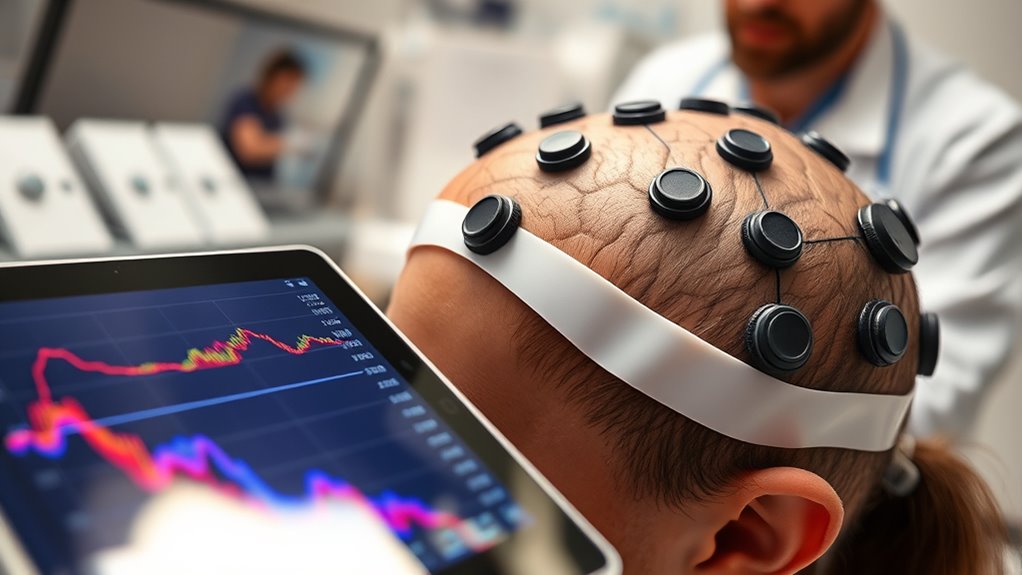
When evaluating these devices, pay close attention to how they use sensors and feedback mechanisms. High-quality brain training tools employ sensors—such as EEG headbands or eye-tracking devices—to monitor your brain activity and physiological responses during exercises. This real-time data collection allows the device to adapt dynamically, tailoring challenges to your current cognitive state. As a result, your training sessions become more personalized, increasing the likelihood of neuroplastic changes. Feedback is crucial here; devices that provide immediate, clear, and actionable insights help you understand your progress and keep you motivated. For example, visual cues, progress bars, or auditory signals that respond to your performance give you a sense of achievement and encourage continued effort.
Effective user engagement strategies are embedded into the design of reputable brain training devices. These strategies include gamification elements like scoring systems, levels, and rewards, which make repetitive tasks more enjoyable and less monotonous. They also incorporate goal-setting features that help you track your progress and set achievable milestones, fostering a sense of control and motivation. Additionally, some devices use social components, such as community challenges or sharing results with friends, to enhance accountability and motivation. These strategies are backed by research indicating that engaged users are more likely to stick with training programs long enough to see real cognitive benefits.
Ultimately, the success of a brain training device hinges on its ability to leverage neuroplasticity research and incorporate effective user engagement strategies through sensors and feedback. When these elements work together, they create an environment that not only challenges your brain but also motivates you to continue, increasing the chances of meaningful cognitive improvements. As you evaluate different options, prioritize devices that personalize your experience, provide immediate feedback, and actively involve you in the process. This approach maximizes the potential benefits and helps you make the most of your brain training journey. Additionally, understanding the underlying neuroplasticity mechanisms can help you select tools that are scientifically grounded and more likely to produce lasting results.

Meditation Headband, EEG Biofeedback Devices, Real-Time Visual and Auditory Feedback for Neurofeedback Training, Brainwave Monitor | Measures Alpha, Beta, Gamma, Theta, Delta and SMR Brain Waves
Track and Understand Your Meditation State: The smart headband captures brain signals with built-in EEG sensors, delivering real-time…
As an affiliate, we earn on qualifying purchases.
As an affiliate, we earn on qualifying purchases.
Frequently Asked Questions
Are Brain Training Devices Effective for All Age Groups?
Brain training devices aren’t equally effective for all age groups. Younger children show more age-specific effectiveness as their brains are highly adaptable, but developmental considerations mean they need age-appropriate exercises. Adults might see benefits in certain areas, yet older adults could experience limited improvements. Your results depend on your age, goals, and the device’s design. Always consider developmental factors and consult with professionals to determine if a device suits your age-specific needs.
How Do Sensors Measure Cognitive Improvements Accurately?
Imagine sensors as the detectives of your brain’s story, uncovering hidden clues. They measure cognitive improvements by using precise sensor calibration to guarantee data accuracy and measurement reliability. When properly calibrated, sensors detect subtle changes in brain activity, giving reliable feedback on your progress. This accuracy helps you trust the device, making your training more effective. Fundamentally, good calibration is the key to turning raw signals into meaningful insights.
Can Feedback From Devices Replace Professional Neuropsychological Assessments?
Feedback from devices can’t replace a professional neuropsychological evaluation or clinical diagnosis. While they offer useful insights, they lack the depth and personalized analysis a trained neuropsychologist provides. Devices can track trends and provide immediate data, but only a clinical assessment considers the full context of your cognitive health, making it essential for accurate diagnosis and tailored treatment plans. Always consult a professional for exhaustive evaluation.
What Are the Long-Term Benefits of Using Brain Training Devices?
Imagine your brain as a garden, and these devices as the water and sunlight that foster growth. Over time, using brain training devices can boost neuroplasticity enhancement, making your mind more adaptable. You’ll notice daily cognitive gains, like sharper memory and better focus, that strengthen with consistent practice. These long-term benefits help you stay mentally agile, resilient, and ready to face life’s challenges with confidence and clarity.
Are There Any Known Risks or Side Effects From Using These Devices?
You should be aware that brain training devices generally have good device safety, but some users might experience side effects like headaches, fatigue, or dizziness. It’s important to monitor for side effects and stop using the device if they occur. Regular side effect monitoring can help prevent any adverse effects, and consulting a healthcare professional guarantees safe use, especially if you have existing health conditions or concerns.

Nutvrliy Yellow Marsden Ball for Visual Tracking & Cognitive Drills – Numbered Training Ball on a String with Hooks – High Contrast Vision Tool for Hand Eye Coordination & Reflex Speed
HIGH VISIBILITY VISION SYSTEM: Featuring a high-contrast yellow design with bold numbers, this set is the core of…
As an affiliate, we earn on qualifying purchases.
As an affiliate, we earn on qualifying purchases.
Conclusion
So, when choosing a brain training device, do you prioritize the sensors’ accuracy or the quality of feedback? Remember, not all devices are created equal, and your goals matter. By understanding how these tools work and their limitations, you can make smarter choices for your mental fitness. Isn’t it worth investing in something that genuinely helps you improve, rather than just promising quick fixes? Ultimately, the right device can be a valuable partner in your brain training journey.
Meditation Headband, EEG Biofeedback Devices, Real-Time Visual and Auditory Feedback for Neurofeedback Training, Brainwave Monitor | Measures Alpha, Beta, Gamma, Theta, Delta and SMR Brain Waves
Track and Understand Your Meditation State: The smart headband captures brain signals with built-in EEG sensors, delivering real-time…
As an affiliate, we earn on qualifying purchases.
As an affiliate, we earn on qualifying purchases.

25 Pcs ADHD Coping Skills Cards Emotional Regulation Tool Time Management Therapy Stress Relief Calm Down Corner Supplies Focus Training ADHD Tools for Adults Teens
ADHD Coping Skills Cards: you'll receive 24 expert developed coping strategy cards designed to directly improve focus, reduce…
As an affiliate, we earn on qualifying purchases.
As an affiliate, we earn on qualifying purchases.