
Blockchain and decentralized identity let you control your digital credentials securely and privately. Instead of relying on central authorities, you can use self-sovereign credentials that you manage and share selectively. Biometrics, like fingerprints or face scans, can be integrated for quick verification while keeping your data encrypted. This decentralized approach reduces fraud, improves privacy, and makes authentication smoother across sectors. Keep going to discover how this technology is shaping a safer, more efficient digital world.
Key Takeaways
- Blockchain enables secure, decentralized authentication by replacing centralized authorities with tamper-proof digital ledgers.
- Self-sovereign credentials allow users to control, share, and verify their identity data securely without third-party reliance.
- Biometric verification integrated with blockchain enhances quick, seamless, and secure user authentication processes.
- Blockchain-based identity systems reduce fraud, improve data privacy, and streamline onboarding across various sectors.
- Cryptographic protections and secure storage methods ensure the safety of personal and biometric data in decentralized identity ecosystems.
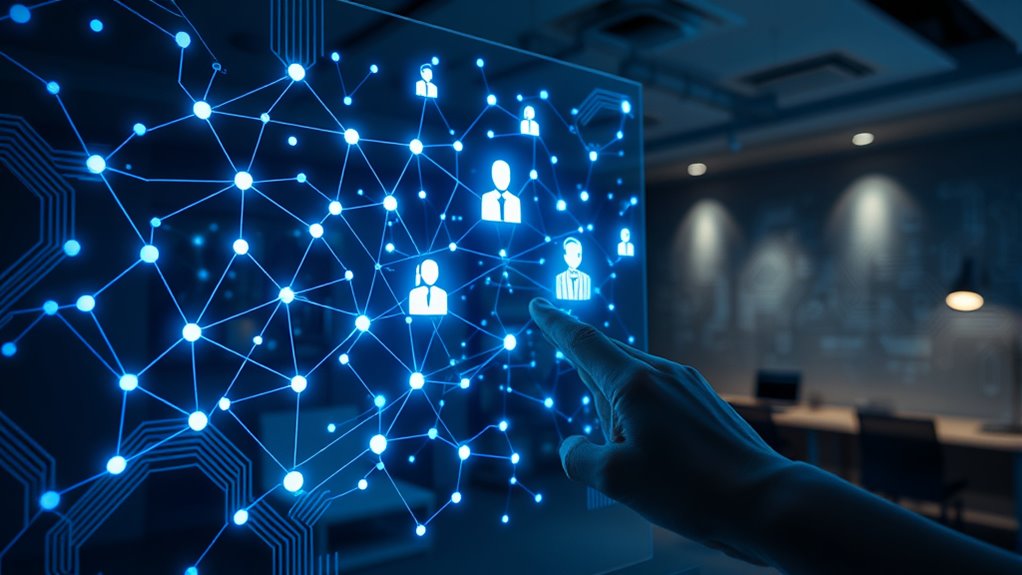
Blockchain technology is transforming how we handle digital identity by enabling decentralized and secure authentication methods. Instead of relying on centralized authorities, you now have the power to control your own identity data through self-sovereign credentials. These credentials allow you to store, manage, and share personal information securely without handing over your data to third parties. When you need to verify your identity, you can selectively disclose only the necessary details, reducing the risk of data breaches or misuse. This approach puts you in the driver’s seat, giving you greater privacy, control, and trust in digital interactions.
Biometric verification is often integrated with blockchain-based identity systems to enhance security and convenience. With biometric data—such as fingerprints, facial recognition, or iris scans—you can prove your identity quickly and accurately. Instead of remembering passwords or carrying physical IDs, biometric verification offers a seamless experience, especially when combined with blockchain’s cryptographic protections. Your biometric data can be stored securely on a blockchain, encrypted and linked to your self-sovereign credentials, ensuring that only you can authenticate your identity. When you need access to a service or platform, you simply provide your biometric data, and the system verifies it against the blockchain record, confirming your identity in real-time.
This combination of self-sovereign credentials and biometric verification creates a robust and user-centric identity ecosystem. You no longer have to rely on multiple passwords or insecure login methods; instead, your unique physical traits serve as a secure key to access services. Blockchain’s decentralized nature prevents single points of failure, making it harder for hackers to compromise your identity. Plus, by owning your credentials, you can decide exactly what information you share and with whom, fostering greater trust and transparency. This setup also simplifies onboarding processes, reduces fraud, and accelerates verification procedures, especially in sectors like finance, healthcare, and travel.
With blockchain-powered digital identity solutions, you’re empowered to manage your identity securely without sacrificing convenience. Whether you’re verifying your age, accessing confidential health records, or completing financial transactions, these systems give you control, privacy, and trust. As technology advances, biometric verification integrated with self-sovereign credentials will become even more prevalent, offering a future where your identity is both secure and fully under your control. Additionally, leveraging secure storage methods and cryptographic protections further enhances the safety of your identity data. This shift promises a safer, more efficient digital world where your identity is an asset you own and protect.

TEC ESS Enhanced Sign in Security USB Fingerprint Biometric Passkey Scanner – SecureTouch WireKey Fast Login <1s Windows Hello Business 360° Recognition TE-FPA-CA1
📱 QR CODE SETUP GUIDE: Scan the QR code on the packaging to access the setup page with…
As an affiliate, we earn on qualifying purchases.
As an affiliate, we earn on qualifying purchases.
Frequently Asked Questions
How Does Decentralized Identity Improve User Privacy?
Decentralized identity improves your user privacy by giving you greater control over your data, ensuring data sovereignty. You can selectively share only necessary information, reducing exposure to potential breaches. This approach minimizes the amount of personal data stored on centralized servers, lowering risks. By managing your identity securely and privately, you maintain better control over your data, enhancing your overall privacy and safeguarding your personal information from unauthorized access.
What Are the Main Challenges in Implementing Blockchain-Based Authentication?
You face challenges in implementing blockchain-based authentication, especially with token management and consensus mechanisms. Managing tokens securely can be complex, requiring robust protocols to prevent theft or misuse. Additionally, achieving consensus among distributed nodes can slow down transactions and create scalability issues. These hurdles demand careful planning and technological innovation to guarantee a reliable, secure, and efficient authentication system that leverages blockchain’s benefits without compromising performance.
How Are Private Keys Securely Stored in Decentralized Systems?
You should securely store private keys using cryptographic storage solutions like hardware wallets, which keep keys offline and protected from hacking. Hardware wallets generate and store your private keys in a secure hardware device, making them resistant to malware and phishing attacks. This approach guarantees your keys remain confidential, giving you peace of mind knowing your digital assets are safeguarded in a decentralized system.
Can Blockchain Authentication Systems Scale for Large Enterprises?
Yes, blockchain authentication systems can scale for large enterprises, but scalability challenges exist. As you expand, you might face friction from transaction volume fluctuations and infrastructure demands. To foster enterprise adoption, you need robust, scalable solutions that streamline security while supporting growth. With strategic tech tweaks and innovative integrations, you can transform these systems into formidable, flexible frameworks capable of handling the hefty, high-volume needs of big businesses.
What Legal or Regulatory Issues Impact Decentralized Identity Solutions?
You need to contemplate data sovereignty and jurisdictional compliance when implementing decentralized identity solutions. Laws like GDPR or CCPA can restrict how you store and manage personal data across borders. You might face legal issues if your system doesn’t adhere to local regulations, risking penalties or data breaches. Ensuring compliance requires understanding the legal landscape and designing your decentralized identity system to meet these diverse jurisdictional requirements.
blockchain identity verification hardware
As an affiliate, we earn on qualifying purchases.
As an affiliate, we earn on qualifying purchases.
Conclusion
As you embrace blockchain and decentralized identity, you’re stepping into a future that’s as revolutionary as the dawn of the internet. With secure, user-controlled credentials, you gain more privacy and control than ever before. Just like discovering a hidden app in your smartphone, these innovations open new levels of trust and convenience. The journey towards decentralized authentication is just beginning—think of it as the “save” button for your digital identity in this brave new world.
self-sovereign digital identity wallet
As an affiliate, we earn on qualifying purchases.
As an affiliate, we earn on qualifying purchases.

Digital Persona 88003-001U.are.u 4500 Reader 70" Cable
Target Applications – Desktop PC security, Mobile PCs, Custom applications
As an affiliate, we earn on qualifying purchases.
As an affiliate, we earn on qualifying purchases.