
To defend against ransomware and extortion, you should adopt secure coding practices that include input validation, using parameterized queries, and maintaining updated software with security patches. Implementing strict access controls and multi-factor authentication helps limit what attackers can access. Educate your team, conduct security reviews, and incorporate threat modeling to identify vulnerabilities early. Focusing on these areas strengthens your defenses—continue exploring to discover more ways to enhance your security.
Key Takeaways
- Validate all user inputs to prevent injection attacks and privilege escalation that could be exploited by ransomware.
- Encrypt data at rest and in transit to protect sensitive information from unauthorized access during breaches.
- Enforce strict access controls with RBAC and MFA, following the principle of least privilege to limit attack surfaces.
- Regularly update and patch software to fix known vulnerabilities and reduce the risk of exploitation.
- Promote a security-aware development culture through training, code reviews, and threat modeling to identify and mitigate risks early.

Secure coding practices are essential for protecting applications from vulnerabilities that can be exploited by attackers. When it comes to defending against ransomware and extortion, your primary focus should be on implementing robust security measures that prevent unauthorized access and safeguard sensitive data. One of the most effective ways to achieve this is through data encryption. By encrypting data both at rest and in transit, you make it significantly more difficult for cybercriminals to read or manipulate your information if they manage to breach your defenses. Encryption acts as a strong barrier, ensuring that even if an attacker gains access, they won’t be able to easily extract valuable data to blackmail or extort.
Implement data encryption at rest and in transit to protect sensitive information from ransomware and extortion threats.
Alongside data encryption, access controls play a crucial role in securing your applications. You need to enforce strict access controls to limit who can view or modify sensitive data. This means implementing role-based access control (RBAC), multi-factor authentication (MFA), and the principle of least privilege—only granting users the permissions they absolutely need to perform their tasks. By doing so, you reduce the attack surface and prevent malicious insiders or compromised accounts from causing substantial damage. Regularly reviewing and updating access permissions helps ensure that outdated or unnecessary privileges are revoked, further tightening security.
Incorporating secure coding practices also involves validating all user inputs to prevent injection attacks, which could be exploited to escalate privileges or execute malicious code. Use parameterized queries and input sanitization to eliminate common vulnerabilities that attackers often leverage to gain unauthorized access or implant ransomware. Additionally, employing proper error handling prevents revealing sensitive information through error messages, which could aid attackers in identifying weak spots in your system.
Another key practice is maintaining an up-to-date codebase and dependencies. Many ransomware attacks target known vulnerabilities in outdated software. Regularly applying security patches and updates ensures you’re not leaving exploitable gaps open. Automated security testing tools can help identify potential weaknesses early in the development cycle, allowing you to address issues before deployment. Implementing secure development frameworks can further standardize best practices and reduce coding errors that lead to vulnerabilities.
Finally, fostering a security-aware development culture is vital. Educate yourself and your team on common attack vectors and best practices for secure coding. Conduct code reviews focused on security, and adopt a proactive stance toward threat modeling. When you build security into your code from the start, you considerably reduce the risk of vulnerabilities that criminals could exploit for ransomware or extortion. By combining data encryption, strict access controls, and a security-first mindset, you reinforce your defenses against these growing threats.
data encryption software for business
As an affiliate, we earn on qualifying purchases.
As an affiliate, we earn on qualifying purchases.
Frequently Asked Questions
How to Detect Ransomware Vulnerabilities During Code Review?
During code review, you can detect ransomware vulnerabilities by using static analysis tools to identify weaknesses or malicious patterns. Focus on areas where data sanitization might be lacking, especially in input handling, to prevent malicious code execution. Look for insecure file operations, improper encryption practices, and weak access controls. By actively analyzing code for these signs and ensuring proper sanitization, you reduce the risk of ransomware exploits.
Are There Specific Encryption Methods to Prevent Data Theft?
Think of your data as treasure guarded by a fortress. To protect it from theft, you should use strong encryption standards like AES-256, which act as unbreakable walls. Proper key management is vital — keep keys secure and separate from encrypted data, like a secret map. This way, even if attackers breach the perimeter, they can’t access your treasure, ensuring your information stays safe and private.
What Are Best Practices for Secure Code Deployment?
To guarantee secure code deployment, you should follow best practices like implementing secure coding principles and vulnerability mitigation strategies. Always review your code for security flaws, use automated tools for static and dynamic analysis, and keep dependencies up to date. You also need to enforce strict access controls, conduct regular security testing, and deploy updates promptly. These steps help minimize vulnerabilities, protect your systems, and maintain a resilient defense against threats.
How Can Developers Ensure Third-Party Libraries Are Safe?
You can guarantee third-party libraries are safe by performing thorough library vetting, checking for known vulnerabilities, and verifying their source credibility. Use dependency management tools to track and update libraries regularly, reducing risks from outdated or compromised dependencies. Always review the code or documentation, and consider implementing automated security scans to detect issues early. This proactive approach helps protect your application from potential security threats stemming from third-party components.
What Incident Response Strategies Should Be Integrated Into Coding?
You should integrate incident response strategies into your coding by implementing secure coding practices that anticipate potential threats. Develop clear protocols for threat mitigation, such as automated alerts for suspicious activity and quick rollback procedures. Embed logging and monitoring features directly into your code, so you can detect and respond swiftly to incidents. Regularly update and test these strategies to guarantee they remain effective in minimizing damage during a security breach.
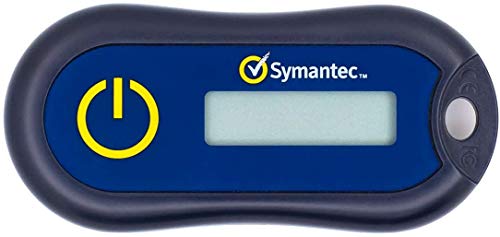
Symantec VIP Hardware Authenticator – OTP One Time Password Display Token – Two Factor Authentication – Time Based TOTP – Key Chain Size
- OATH Compliant TOTP Token: Standard time-based OTP
- 6-Digit OTP with Countdown: Displays OTP with timer
- No Software Needed: Zero installation required
As an affiliate, we earn on qualifying purchases.
As an affiliate, we earn on qualifying purchases.
Conclusion
By following these secure coding practices, you become the guardian of your digital domain, much like a knight defending a castle. Just as a fortress withstands storms and invaders, your code can resist ransomware and extortion attempts. Remember, every line you write is a brick in your defenses. Stay vigilant, keep learning, and build with purpose—ensuring your systems remain a stronghold in an ever-threatening landscape.
As an affiliate, we earn on qualifying purchases.
automated security testing tools
As an affiliate, we earn on qualifying purchases.
As an affiliate, we earn on qualifying purchases.