
Color personality tests can be fun and offer quick insights about yourself, but their scientific validity is limited. They rely on color psychology and cultural associations rather than solid psychological evidence, so they shouldn’t be taken as definitive. External factors like mood can influence your responses, making results vary over time. If you’re curious about their reliability and meaning, exploring the details will help you decide whether to enjoy them as entertainment or view them more skeptically.
Key Takeaways
- They are primarily entertainment tools that offer surface-level insights rather than scientifically validated personality assessments.
- Responses can be influenced by external factors like mood or cultural stereotypes, limiting their accuracy.
- Scientific support for color personality tests is limited, and their results should be viewed critically.
- They can be fun for self-reflection but are not reliable for making significant decisions or understanding complex traits.
- Cultural differences shape color meanings, which can affect the interpretation and perceived validity of these tests.

The Luscher Color Test: The Remarkable Test that Reveals Personality Through Color
Colors
As an affiliate, we earn on qualifying purchases.
As an affiliate, we earn on qualifying purchases.
What Are Color Personality Tests: and How Do They Work?
Have you ever wondered how colors can reveal aspects of your personality? Color personality tests work by tapping into your visual perception, which influences how you interpret different colors. Many people assume these tests are scientifically proven, but there are common psychology misconceptions that overstate their accuracy. These assessments typically ask you to choose or associate colors with traits, revealing insights based on color psychology, a field that explores how colors can influence emotions and behaviors. However, your preferences may be influenced by cultural factors or personal experiences, not just inherent personality traits. While they can be fun and offer some self-reflection, it’s important to remember that color personality tests aren’t definitive tools. They highlight tendencies rather than fixed characteristics, making them interesting but not absolute indicators of who you are. Additionally, understanding that personality assessment methods vary in scientific support can help you view these tests with a balanced perspective. Moreover, the reliability of personality tests is often debated among psychologists, emphasizing the need for a cautious approach to their results. Recognizing that psychological research continues to evolve helps contextualize these assessments as part of a broader exploration of human behavior. It’s also helpful to consider that individual differences can significantly influence how people respond to these tests, further complicating their accuracy.
{THE AND} Self Love Edition – 199 Self Reflection Cards to Improve Self Awareness – Self Care Question Card Deck to Prompt Mindfulness & Meditation – Explore Identity for Women & Men By The Skin Deep
{THE AND} SELF LOVE EDITION: Discover yourself with selfcare and reflection cards, designed to help you discover your…
As an affiliate, we earn on qualifying purchases.
As an affiliate, we earn on qualifying purchases.
The History and Rise of Color Personality Assessments

Color psychology has its roots in early research on how colors influence human behavior. The popularity of color assessments surged in the 20th century, gaining traction in business and self-help fields. Today, modern adaptations reflect new trends, making these tests more accessible and relevant to personal development.
Origins of Color Psychology
The origins of color psychology trace back to early 20th-century experiments where researchers began exploring how different hues influence human emotions and behaviors. They discovered that color symbolism varies across cultures, shaping how individuals respond to specific colors. These early studies laid the groundwork for understanding how color affects mood and personality. Over time, psychologists and marketers started applying these ideas to develop personality assessments based on color preferences. While some theories gained popularity, others remained speculative. Today, these origins remind us that color psychology’s roots are deeply intertwined with cultural meanings and perceptions, shaping how we interpret and use color in personality tests. The cultural significance of colors plays a crucial role in how these assessments are perceived and interpreted across different societies. Additionally, the scientific validity of these assessments is often debated, emphasizing the importance of understanding their cultural context. Recognizing the historical development of these theories helps us better evaluate their relevance and application today. The concept of color symbolism has also been pivotal in understanding personal and societal associations with different hues.
Popularity in the 20th Century
As interest in color psychology grew throughout the 20th century, personality assessments based on color preferences gained significant popularity. During this period, the historical context saw a surge in self-help movements and a fascination with understanding human behavior. Cultural influences played a key role, as different societies associated specific colors with particular traits or emotions, fueling curiosity about color-based personality tests. These assessments became widespread in both popular psychology and commercial settings, often marketed as quick insights into your character. Despite limited scientific backing, their simplicity and engaging nature helped them maintain relevance. This era’s emphasis on individualism and self-discovery contributed to the rise of color personality assessments as accessible tools for self-reflection and entertainment, shaping their prominent place in 20th-century culture. Additionally, the psychological associations of colors often reinforced cultural stereotypes and influenced how individuals perceived themselves and others. Furthermore, the lack of rigorous scientific validation led many critics to dismiss these tests as pseudo-science, even as they remained popular among the general public. The widespread use of these assessments was also influenced by the marketing strategies that emphasized their supposed accuracy and personal relevance. In this context, the role of public perception significantly contributed to their enduring appeal despite scientific criticism.
Modern Adaptations and Trends
Modern adaptations of color personality assessments have evolved alongside technological advancements and shifting cultural trends, making them more accessible and engaging than ever before. Social media platforms fuel visual trends, encouraging quick, shareable personality insights. These trends often feature vibrant graphics and interactive quizzes that appeal to a wide audience. As a result, assessments now blend entertainment with self-reflection, appealing to users seeking instant feedback. Additionally, the rise of interactive content has further transformed how people engage with personality tests, fostering more personalized experiences. This evolution demonstrates how digital tools continue to shape self-discovery methods in contemporary society.
WEREWOLVES 550 Paracord Kits, 5 Colors, 4mm, 100ft Each Color
High Quality Bulk Paracord – Each paracord combo kit contains 5 different colors of 100FT paracord.The Type III…
As an affiliate, we earn on qualifying purchases.
As an affiliate, we earn on qualifying purchases.
Do Color Tests Really Reveal Your True Traits? Examining the Evidence
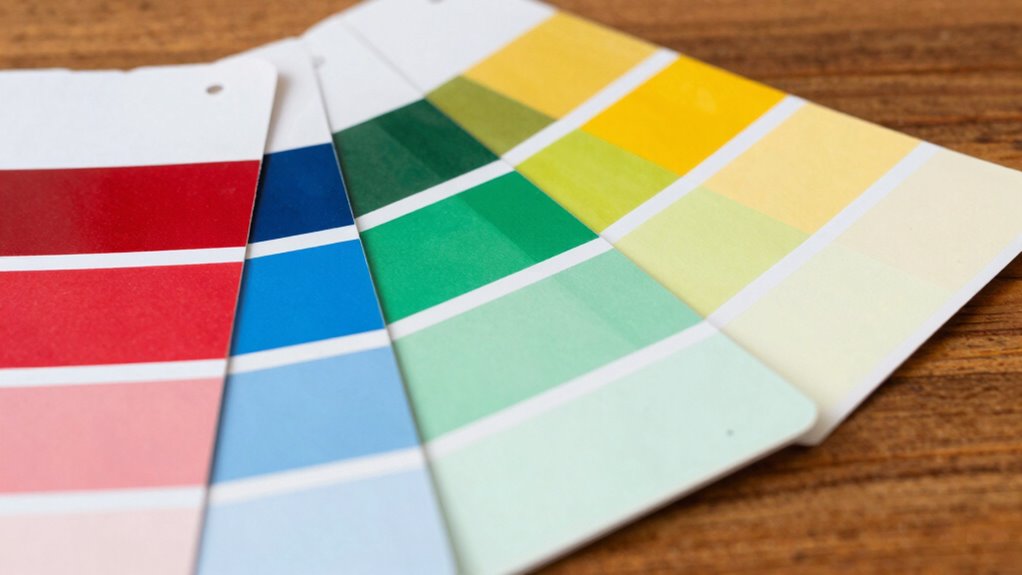
While color personality tests are popular for offering quick insights into your character, scientific evidence supporting their accuracy remains limited. Many claim these tests provide valuable personality insights, but studies on their psychological validity are inconclusive. Most research shows that individual responses can be influenced by external factors, such as mood or context, rather than genuine traits. Without rigorous validation, it’s hard to determine if the colors truly reflect your core personality or just surface-level preferences. Psychological validity is crucial when evaluating the usefulness of personality assessments. Additionally, the reliability of these tests over time is often questioned, as results can vary depending on circumstances. Color tests may be fun and engaging, but their ability to reveal your true traits is, at best, questionable. If you’re seeking accurate self-knowledge, it’s better to contemplate more established psychological tools.

THE BIG FUN PERSONALITY QUIZ: A Collected Volume of FUN PERSONALITY QUIZ BOOKS 1, 2 and 3
As an affiliate, we earn on qualifying purchases.
As an affiliate, we earn on qualifying purchases.
What Colors Are Said to Say About Your Personality
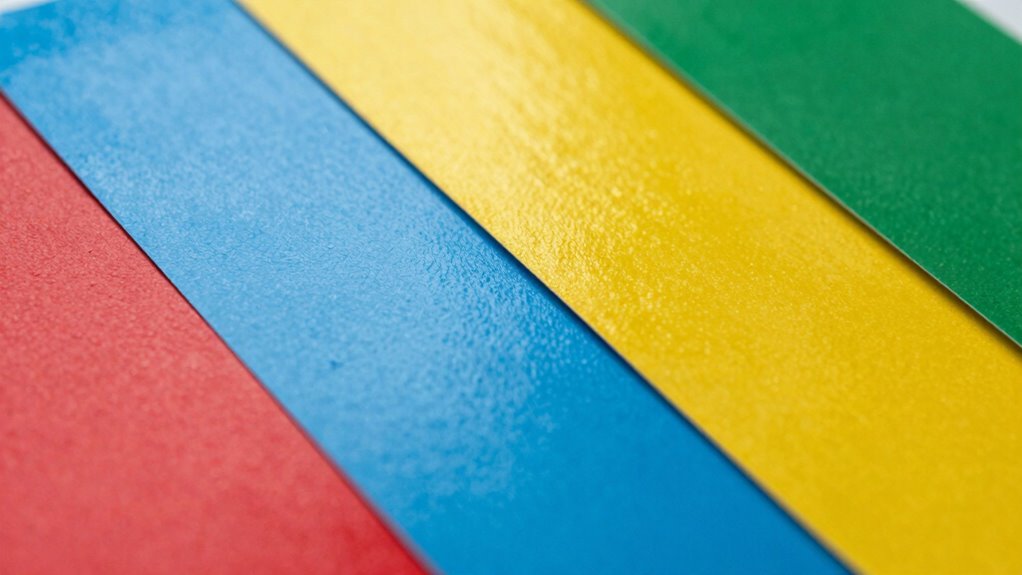
Colors can reveal a lot about your personality, according to popular beliefs. For example, red is linked to passion and energy, while blue suggests calmness and trustworthiness. Yellow often represents happiness and optimism, giving clues about your overall mood and traits. Some believe that the colors you prefer in jewelry or clothing might also reflect your personality traits and investment preferences. Additionally, understanding these color associations can play a role in digital transaction security by influencing how people perceive trustworthiness and confidence in online interactions. Moreover, studies in color psychology suggest that color choices can subtly affect your decisions and behavior in various social contexts. Recognizing these associations can also help in dog training by understanding how color cues might influence behavior in some training environments.
Red: Passion and Energy
Have you ever wondered what your favorite color reveals about your personality? If red is your go-to, it often signals passion and energy. People who favor red tend to be bold in emotional expression, unafraid to show their true feelings. This color is linked to confidence, making it a popular choice for personal branding, especially if you want to stand out. Red can indicate a competitive spirit, drive, and a love for excitement. It’s a color that commands attention and sparks enthusiasm in others. If you’re drawn to red, you’re likely to be passionate about your pursuits and unreserved in your interactions. Ultimately, choosing red might reflect your desire to live vibrantly and leave a strong impression on those around you.
Blue: Calm and Trustworthy
Choosing blue as your favorite color often signals that you value calmness and reliability. In color symbolism, blue is associated with trust, stability, and serenity. Its psychological impact promotes feelings of peace and focus, making it a popular choice for those seeking reassurance. When you favor blue, others may see you as dependable and composed, someone who maintains clarity under pressure. This color’s calming effect can reduce stress and foster open communication. It’s no surprise that many professional environments use blue to encourage trust and teamwork. Your preference for blue suggests you prioritize emotional stability and value honest connections. Overall, blue’s color symbolism and psychological impact reveal a personality rooted in calmness, trustworthiness, and a desire for harmony.
Yellow: Happiness and Optimism
Ever wonder what your favorite shade says about your personality? Yellow is often linked to happiness and optimism through emotional symbolism, representing cheerfulness and energy. People who favor yellow tend to be seen as positive, friendly, and approachable. Cultural interpretations also influence how yellow is perceived; in some cultures, it symbolizes wealth and prosperity, while in others, it’s associated with caution or warning. Your attraction to yellow might reflect a sunny outlook on life and a desire to spread joy. However, keep in mind that these interpretations aren’t set in stone—they’re shaped by societal beliefs and personal experiences. Whether you’re driven by its cheerful vibe or simply love the color, yellow’s emotional symbolism can reveal a lot about your optimistic nature.
How People Use Color Personality Tests and What Benefits They Offer

People turn to color personality tests because they offer quick insights into their behaviors, preferences, and motivations. You might use them to better understand your own emotional insights or to identify how you connect with others. For example, knowing your color can reveal your natural strengths and areas for growth. Many workplaces incorporate these tests into team building activities, helping colleagues appreciate different personalities and improve communication. The benefits extend beyond self-awareness, fostering empathy and collaboration. You can also use color personality results to tailor your approach in relationships, whether personal or professional. While some see these tests as fun or lighthearted, many find them useful for gaining clarity on emotional dynamics and enhancing teamwork. Overall, they serve as practical tools for personal and collective development.
The Limits and Criticisms of Color-Based Personality Quizzes
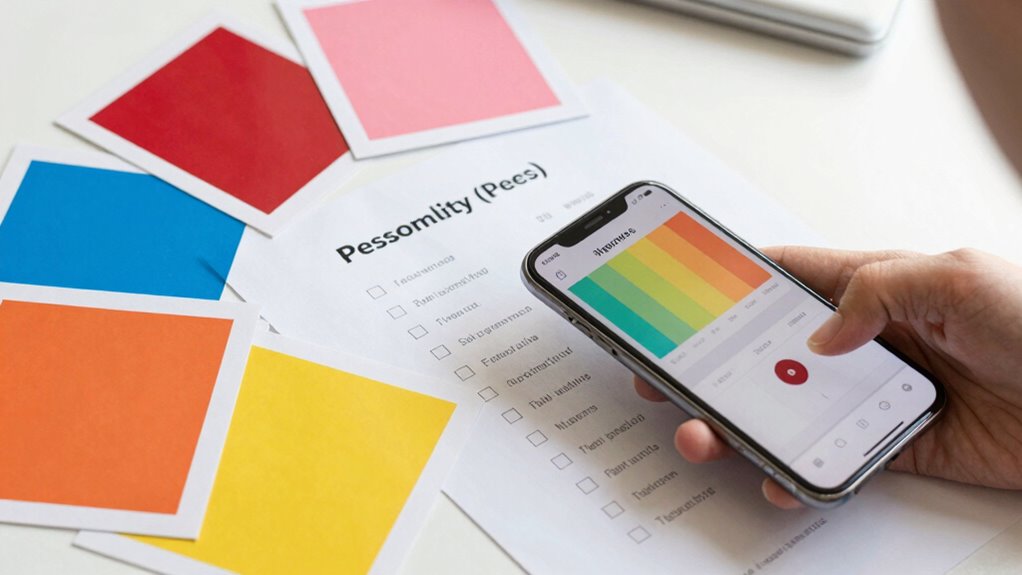
While color-based personality quizzes can offer quick insights, they often oversimplify complex human traits by categorizing individuals into broad color groups. This reduction ignores the nuance of personality, reducing diverse traits to single colors. Additionally, these quizzes are influenced by cultural biases; what a color signifies in one culture might differ in another, skewing results and interpretations. The scientific validity of these tests is also questionable, as they lack rigorous research backing their claims. Many experts argue that personality is too multifaceted for such simple categorization, making these quizzes more entertainment than reliable assessment. If you rely solely on color tests, you risk misunderstanding yourself or others, as they don’t account for the depth and variability of human nature.
Should You Trust Your Color Test Results? How to Interpret Them
Before fully trusting your color test results, it’s important to approach them with a critical eye. Trustworthiness concerns often arise because these tests lack scientific backing and can vary widely between different versions. Keep in mind that cultural influences also shape how colors are interpreted, which can skew results or make them less meaningful across diverse backgrounds. Instead of taking your results at face value, use them as a starting point for self-reflection rather than definitive labels. Look for patterns or insights that resonate with your experiences, but don’t rely solely on the test to define your personality. Remember, color tests are fun tools, not strict assessments, so interpret them with a healthy dose of skepticism and curiosity.
Fun or Fake? Deciding When to Take Color Personality Tests Seriously
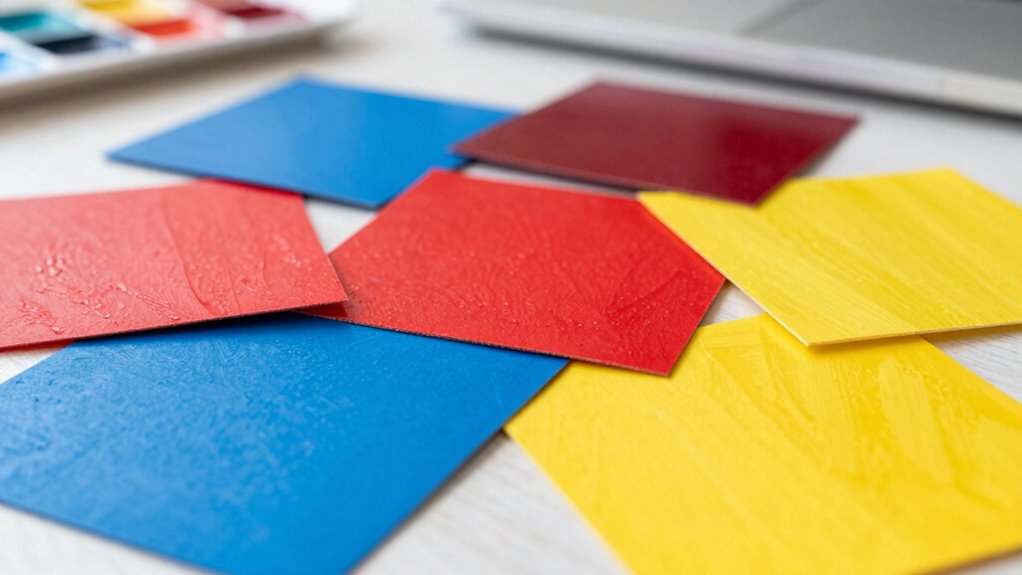
Color personality tests can be entertaining and insightful, but knowing when to take them seriously is key. Many psychology misconceptions surround these tests, leading people to overestimate their accuracy. While they can reveal fun insights about your preferences, their entertainment value shouldn’t be mistaken for scientific fact. If you’re exploring your personality or seeking a light-hearted way to reflect on yourself, they’re perfect for casual enjoyment. However, when it comes to making important life decisions or understanding complex traits, it’s best to approach these tests with skepticism. Remember, they’re tools for fun or self-exploration, not definitive psychological assessments. Use them accordingly, and don’t let misconceptions skew your perception of their true purpose. Knowing when to take them seriously keeps your expectations realistic.
Frequently Asked Questions
Are Color Personality Tests Scientifically Validated?
Color personality tests aren’t scientifically validated, so you shouldn’t rely on them for serious insights. While they can be fun and offer some self-awareness, their scientific validity is limited because cultural influences heavily shape how people interpret colors. These tests lack rigorous research backing, making them more of a playful tool rather than a reliable method for understanding personality traits. Use them for entertainment, but don’t depend on them for meaningful decisions.
Can Color Tests Predict Future Behavior Accurately?
Color tests can’t reliably predict your future behavior because they rely on color symbolism and emotional associations that vary widely among individuals. While certain colors might evoke specific feelings or traits, these associations are subjective and influenced by personal experiences. So, don’t depend on color tests for accurate predictions; instead, consider them as fun tools that reflect your current mood or personality traits rather than concrete indicators of what’s to come.
Do Cultural Differences Affect Color Personality Interpretations?
Cultural differences definitely impact color personality interpretations. You’ll find that cultural interpretations and color symbolism vary widely, shaping how people perceive colors and what they associate with them. For example, while white might symbolize purity in Western cultures, it signifies mourning in some Eastern societies. So, when taking color tests, be aware that cultural background influences how you interpret colors, making the results more subjective than universally applicable.
How Reliable Are Online Versus Professional Color Assessments?
Online color assessments are like a game of darts—sometimes they hit the target, but often miss the mark. They lack the psychological validity and nuanced understanding that professional tests offer. While online tools can tap into color symbolism, they aren’t always reliable for deep personal insights. You might enjoy them for fun, but for accurate results, trust a trained professional who considers your unique context and personality.
Can Color Personality Tests Help in Career or Relationship Decisions?
Yes, color personality tests can offer useful personality insights that help in career or relationship decisions. They serve as decision-making tools by highlighting your strengths, preferences, and potential challenges. While not definitive, they can guide you toward better understanding yourself and others, improving communication and compatibility. Keep in mind, though, they work best when combined with other assessments and personal reflection for more accurate, well-rounded decisions.
Conclusion
While color personality tests can add a splash of fun to self-discovery, it’s wise to see them as playful tools rather than definitive guides. Keep in mind, they offer a broad brushstroke rather than a detailed portrait of who you are. Use them to spark curiosity and reflection, but don’t rely solely on their hues to define your true self. After all, your complexity goes far beyond the colors you see.