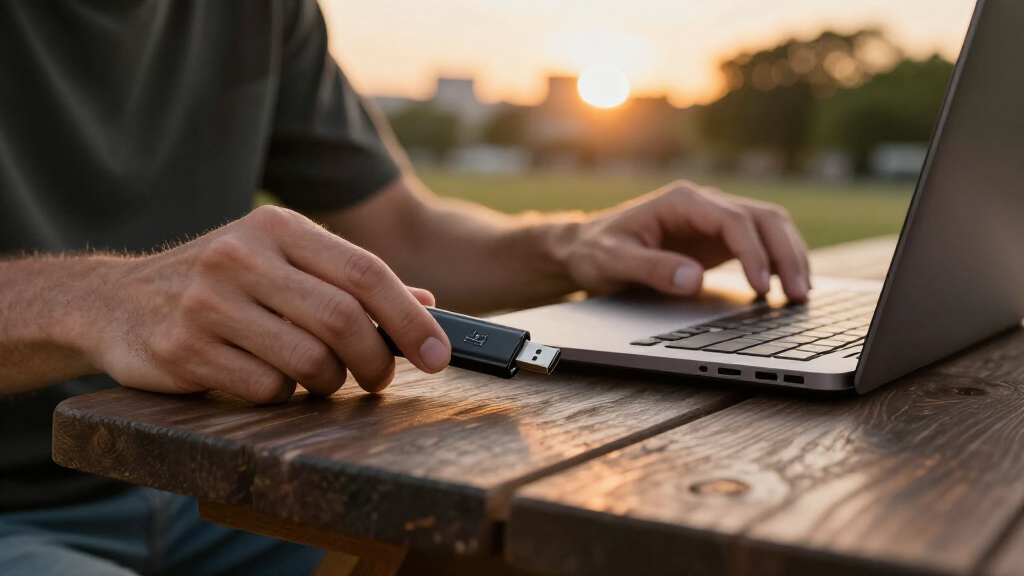

Not all encrypted USB drives deliver the same protection, and the gap between the best and the rest is wider than most buyers expect. The iStorage diskAshur3 500GB stands out as my top overall pick because it pairs certified hardware encryption with an onboard keypad that never exposes your PIN to the host computer. For buyers who need serious capacity at a desk, the Apricorn 2TB Aegis Padlock offers similar protection in desktop form, while the Kingston IronKey Keypad 200 is the strongest compact flash option for everyday carrying. The main tradeoffs in this category come down to capacity versus portability, software versus hardware encryption, and whether you need FIPS-level certification for compliance or just solid personal protection. Continue reading for the full breakdown of all 12 drives and which one fits your situation.
Open a free Amazon Business account
Business pricing, bulk buying and tax-exempt orders.
Create a free accountAs an affiliate, we earn on qualifying purchases.
Key Takeaways
- Drives with onboard keypads (iStorage diskAshur3, IronKey Keypad 200, Aegis Secure Key 3 NX) ranked highest because the PIN is entered on the device itself, protecting against keyloggers on compromised computers.
- Software-encrypted budget options like the Kingston DataTraveler Vault Privacy 8GB work for casual use but require host software that may not run on locked-down corporate machines.
- Several products in this lineup share the same Integral Crypto-197 platform at different capacities — paying more only makes sense if you actually need the larger storage tier.
- Capacity per dollar strongly favors portable hard drives (diskAshur2, Aegis Padlock) over flash drives, but flash drives win on durability and pocketability for field work.
- FIPS 197 certification appears across the Integral line and the iStorage drives, which matters for compliance-driven buyers but adds little practical security for personal use.
| iStorage diskAshur DT2 2TB Encrypted Desktop Hard Drive |  | Best Overall for High-Security Compliance | Capacity: 2TB | Encryption: AES-XTS 256-bit hardware | Authentication: 7-15 digit onboard PIN | VIEW LATEST PRICE | See Our Full Breakdown |
| Kingston DataTraveler Vault Privacy 8GB USB 3.0 Flash Drive with AES Encryption |  | Best for Business Teams | Capacity: 8GB | Interface: USB 3.0, Type-A | Encryption: 256-bit AES hardware | VIEW LATEST PRICE | See Our Full Breakdown |
| Kingston IronKey Keypad 200 16GB Encrypted USB – Blue |  | Best Premium Security Pick | Capacity: 16GB | Interface: USB 3.2 Gen 1, Type-A | Authentication: Alphanumeric onboard keypad, multi-PIN | VIEW LATEST PRICE | See Our Full Breakdown |
| Apricorn 2TB Aegis Padlock USB 3.0 Hardware Encrypted External Hard Drive |  | Best for Secure Storage on the Go | Capacity: 2TB | Encryption: 256-bit AES XTS, FIPS 197 validated | Authentication: Onboard PIN | VIEW LATEST PRICE | See Our Full Breakdown |
| Integral 4GB Crypto-197 Encrypted USB 3.0 Flash Drive with FIPS 197 Certification |  | Best Budget Entry Point | Capacity: 4GB | Interface: USB 3.0 | Encryption: 256-bit hardware, FIPS 197 certified | VIEW LATEST PRICE | See Our Full Breakdown |
| Integral 16GB Crypto-197 256-Bit Hardware Encrypted USB 3.0 Secure Flash Drive |  | Best Rugged Budget Pick | Storage Capacity: 16GB | Encryption: AES 256-bit hardware encryption | Certification: FIPS 197 | VIEW LATEST PRICE | See Our Full Breakdown |
| Apricorn 8GB Aegis Secure Key 3 NX USB 3.0 Encrypted Flash Drive |  | Best for Strict Compliance | Capacity: 8GB | Encryption: 256-bit | Validation: FIPS 140-2 Level 3 | VIEW LATEST PRICE | See Our Full Breakdown |
| iStorage diskAshur3 500GB Portable Secure Hard Drive |  | Best Mid-Capacity Portable Security | Capacity: 500GB | Encryption: AES-XTS 256-bit hardware encryption | Speed: Up to 171 MB/s read, 148 MB/s write | VIEW LATEST PRICE | See Our Full Breakdown |
| Secure 32GB Encrypted USB 3.0 Flash Drive – 256-bit Hardware Encryption |  | Best Speed for the Money | Storage Capacity: 32GB | Encryption: 256-bit AES XTS hardware encryption | Transfer Speed: Up to 480MB/s read, 160MB/s write | VIEW LATEST PRICE | See Our Full Breakdown |
| iStorage diskAshur2 1TB Portable Encrypted Hard Drive |  | Best High-Capacity Encryption | Storage Capacity: 1TB | Encryption: AES-XTS 256-bit hardware encryption | Connectivity: USB 3.2 | VIEW LATEST PRICE | See Our Full Breakdown |
| Kingston IronKey Vault Privacy 50 16GB Encrypted USB |  | Best for Threat Defense | Capacity: 16 GB | Interface: USB 3.2 Gen 1 (USB Type-A) | Encryption: AES 256-bit hardware | VIEW LATEST PRICE | See Our Full Breakdown |
| Integral 16GB Crypto-197 256-Bit USB 3.0 Encrypted USB Stick |  | Best Rugged Budget Pick | Capacity: 16 GB | Interface: USB 3.0 | Encryption: AES 256-bit hardware | VIEW LATEST PRICE | See Our Full Breakdown |
| encrypted USB drives for security | Encryption | Capacity | Read Speed | Interface |
|---|---|---|---|---|
| iStorage diskAshur DT2 2TB Enc | AES-XTS 256-bit hardware | 2TB | Up to 277MB/s | — |
| Kingston DataTraveler Vault Pr | 256-bit AES hardware | 8GB | 165MB/s | USB 3.0, Type-A |
| Kingston IronKey Keypad 200 16 | — | 16GB | 145MB/s | USB 3.2 Gen 1, Type-A |
| Apricorn 2TB Aegis Padlock USB | 256-bit AES XTS, FIPS 197 validated | 2TB | — | USB 3.0 |
| Integral 4GB Crypto-197 Encryp | 256-bit hardware, FIPS 197 certified | 4GB | 120MB/s | USB 3.0 |
| Integral 16GB Crypto-197 256-B | AES 256-bit hardware encryption | — | — | — |
| Apricorn 8GB Aegis Secure Key | 256-bit | 8GB | — | — |
| iStorage diskAshur3 500GB Port | AES-XTS 256-bit hardware encryption | 500GB | — | — |
| Secure 32GB Encrypted USB 3.0 | 256-bit AES XTS hardware encryption | — | — | USB 3.0 |
| iStorage diskAshur2 1TB Portab | AES-XTS 256-bit hardware encryption | — | Up to 160MB/s | — |
| Kingston IronKey Vault Privacy | AES 256-bit hardware | 16 GB | 250 MB/s | USB 3.2 Gen 1 (USB Type-A) |
| Integral 16GB Crypto-197 256-B | AES 256-bit hardware | 16 GB | 130 MB/s | USB 3.0 |
More Details on Our Top Picks
iStorage diskAshur DT2 2TB Encrypted Desktop Hard Drive
This drive earns the top spot because it’s the only option in this lineup with FIPS 140-2 Level 3 certification, the standard government agencies and healthcare providers actually demand. Unlike the Apricorn Aegis Padlock, which offers strong encryption but stops at FIPS 197 validation, the DT2 covers GDPR and HIPAA compliance out of the box. Its onboard keypad means the PIN is entered on the drive itself, not your keyboard, which blocks keylogger attacks — something software-authenticated drives like the Kingston DataTraveler Vault Privacy can’t claim. The tradeoff is that it’s a desktop form factor, not something you pocket for a commute, and the certification premium shows in the price. For regulated industries, though, that premium buys audit-ready peace of mind.
Pros:- FIPS 140-2 Level 3 certification satisfies GDPR and HIPAA requirements
- Onboard PIN entry defeats keyloggers and software interception
- AES-XTS 256-bit hardware encryption with fast 277MB/s reads
- Works across Windows, macOS, Linux, thin clients, and virtualized environments
Cons:- Desktop enclosure makes it impractical for frequent travel
- Certification-driven pricing is substantially higher than consumer encrypted drives
- No bundled backup or recovery tooling
Best for: IT managers and compliance officers at healthcare, legal, or government organizations who need certified protection for large data sets
Not ideal for: Anyone wanting pocket-portability — this is a deskbound drive, so commuters should look at the iStorage diskAshur2 or an encrypted flash drive instead
- Capacity:2TB
- Encryption:AES-XTS 256-bit hardware
- Authentication:7-15 digit onboard PIN
- Certification:FIPS 140-2 Level 3
- Read Speed:Up to 277MB/s
- Write Speed:Up to 271MB/s
- Compatibility:Windows, macOS, Linux, Chrome, Android, Citrix, VMware
Our verdict“If your organization requires documented, certified encryption for compliance, this is the drive that clears the bar — everyone else can save money lower on this list.”
Kingston DataTraveler Vault Privacy 8GB USB 3.0 Flash Drive with AES Encryption
This model makes sense for everyday corporate use where security matters but budget approvals are tight. It undercuts hardware-keypad drives like the IronKey Keypad 200 on cost while still delivering 256-bit AES hardware encryption and a genuinely useful trick the keypad drives don’t emphasize: a read-only mode that stops a compromised PC from writing malware onto the drive. At 165MB/s in both directions, it also outpaces the Integral Crypto-197’s 120MB/s reads. The catch is password-based authentication — entering a PIN on the drive itself, as the IronKey does, is harder to intercept than typing a password on a shared workstation. And with only 8GB, it’s for documents and presentations, not media libraries.
Pros:- Read-only mode blocks malware injection from infected host machines
- Symmetric 165MB/s read and write speeds lead this roundup’s flash drives
- Anti-intrusion features defend against brute-force password attacks
- Plug-and-play on standard USB Type-A ports with no admin rights needed
Cons:- Software password entry is more exposed to keyloggers than onboard keypads
- 8GB capacity is limiting for anything beyond documents
- No rated water or shock resistance
Best for: Office workers and IT departments issuing drives to staff who handle confidential documents on shared or untrusted computers
Not ideal for: People carrying large files or media — 8GB fills fast, and casual home users will overpay for business-grade features
- Capacity:8GB
- Interface:USB 3.0, Type-A
- Encryption:256-bit AES hardware
- Read Speed:165MB/s
- Write Speed:165MB/s
- Security Modes:Password protection, read-only mode, anti-intrusion
Our verdict“The smart pick for outfitting a whole team with encrypted drives without hardware-keypad pricing.”
Kingston IronKey Keypad 200 16GB Encrypted USB – Blue
For buyers whose threat model includes physical tampering, this is the flash drive to beat. The alphanumeric onboard keypad supports multi-PIN configurations — admin plus user, or even one-time recovery PINs — which puts it a step above password-based options like the DataTraveler Vault Privacy. It also carries explicit defenses against BadUSB attacks and brute-force cracking, along with a tamper-evident chassis, mirroring the military-grade posture of the larger Apricorn Aegis Padlock in pocket form. Compared with the Integral Crypto-197’s numeric password entry, entering a complex alphanumeric PIN on the drive itself is far more resistant to shoulder-surfing and keyloggers. The honest tradeoff: 16GB is modest for the price, and its 115MB/s writes trail Kingston’s own cheaper Vault Privacy line.
Pros:- Alphanumeric multi-PIN support including admin and one-time recovery PINs
- Tamper-evident design with BadUSB and brute-force attack protection
- Onboard keypad keeps PINs off host keyboards entirely
- USB 3.2 Gen 1 connectivity with solid 145MB/s reads
Cons:- 16GB capacity is small relative to the price
- Write speeds of 115MB/s lag cheaper Kingston alternatives
- No bundled backup or cloud recovery options
Best for: Security-conscious professionals like journalists, consultants, or defense contractors who carry genuinely sensitive files into untrusted environments
Not ideal for: Budget buyers or anyone needing bulk storage — you’re paying a premium for tamper protection, not gigabytes
- Capacity:16GB
- Interface:USB 3.2 Gen 1, Type-A
- Authentication:Alphanumeric onboard keypad, multi-PIN
- Read Speed:145MB/s
- Write Speed:115MB/s
- Security Features:Hardware encryption, tamper-evident design, BadUSB and brute-force protection
Our verdict“Buy it when tamper resistance and attack-proof authentication are non-negotiable; skip it if you just need affordable encrypted storage.”
Apricorn 2TB Aegis Padlock USB 3.0 Hardware Encrypted External Hard Drive
Where the diskAshur DT2 is built for the desk, the Aegis Padlock takes a similar PIN-authenticated, hardware-encrypted formula and makes it portable — same 2TB capacity, bus-powered, and ruggedized. Its brute-force self-destruct feature wipes the encryption key after repeated wrong PINs, and the sealed enclosure resists physical attack, matching the paranoia level of the flash-sized IronKey Keypad 200 but with 125 times the storage. That combination of mobility and volume is the reason it ranks here. Be aware that FIPS 197 validation is a tier below the DT2’s Level 3 certification, so it may not satisfy the strictest compliance audits. PIN management is also entirely on you — lose the admin PIN and there’s no recovery path.
Pros:- Full 2TB of PIN-protected, 256-bit AES XTS hardware encryption
- Truly portable bus-powered design that needs no wall adapter
- Brute-force self-destruct wipes the key after failed attempts
- Sealed enclosure protects against physical tampering
Cons:- FIPS 197 validation falls short of Level 3 compliance requirements
- Forgotten admin PIN means permanent data loss with no recovery
- No bundled backup software
Best for: Photographers, videographers, and traveling professionals who need encrypted terabytes of working data in a bag, not on a desk
Not ideal for: Regulated environments demanding FIPS 140-2 Level 3 — this drive’s certification tier won’t pass those audits
- Capacity:2TB
- Encryption:256-bit AES XTS, FIPS 197 validated
- Authentication:Onboard PIN
- Interface:USB 3.0
- Power:Bus powered
- Security Features:Brute-force self-destruct, physical attack seal
Our verdict“The best answer when you need IronKey-grade paranoia with desktop-drive capacity in a travel-friendly shell.”
Integral 4GB Crypto-197 Encrypted USB 3.0 Flash Drive with FIPS 197 Certification
This is the most accessible way into certified hardware encryption on this list — no software to install, works on PC and Mac, and it costs a fraction of an IronKey Keypad 200. Like the Apricorn Aegis Padlock, it uses FIPS 197 validated 256-bit encryption and auto-erases data after repeated failed login attempts, so a lost drive doesn’t become a breach. Its dual-layer waterproof, shock-resistant housing is arguably tougher than anything Kingston’s Vault Privacy offers. The obvious compromise is capacity: 4GB holds contracts, spreadsheets, and credentials, but not much else. Its 120MB/s reads are respectable, though unspecified write performance suggests patience for larger transfers. For low-volume, high-sensitivity files, the price-to-protection ratio is hard to argue with.
Pros:- FIPS 197 certified 256-bit hardware encryption at a budget price
- Waterproof, shock-resistant dual-layer housing
- Automatic data erasure after multiple failed access attempts
- Zero software installation — works immediately on PC and Mac
Cons:- 4GB capacity is the smallest in this roundup
- Write performance is unspecified and likely slow for big files
- Password entry offers no protection against keyloggers
Best for: Students, freelancers, or small-business owners who need certified encryption for a handful of sensitive files at the lowest possible cost
Not ideal for: Anyone moving large files regularly — 4GB and modest write speeds make it impractical beyond documents
- Capacity:4GB
- Interface:USB 3.0
- Encryption:256-bit hardware, FIPS 197 certified
- Read Speed:120MB/s
- Durability:Waterproof dual-layer, shock-resistant
- Security Features:Automatic data erasure after failed attempts
- Compatibility:PC and Mac, no software required
Our verdict“A low-cost, certified-encryption foot in the door for document-scale security — just don’t expect it to be your only drive.”
Integral 16GB Crypto-197 256-Bit Hardware Encrypted USB 3.0 Secure Flash Drive
This option stands out for proving that certified hardware encryption doesn’t have to carry a premium price. The FIPS 197 certification means the AES 256-bit implementation has been independently verified, which puts it a step above generic drives that simply claim encryption. Compared with the Apricorn Aegis Secure Key 3 NX, the certification level is lower, but the tradeoff is a much friendlier price and a genuinely rugged, waterproof double-layer housing the Apricorn doesn’t advertise. It locks itself automatically the moment it’s unplugged, so there’s no forgetting to secure your files. The catch is capacity: 16GB fills up fast if you move anything beyond documents.
Pros:- FIPS 197 certified AES 256-bit hardware encryption
- Waterproof, shock-resistant double-layer build
- Plug-and-play with no software installation
- Automatic lock and encryption on removal
Cons:- Only 16GB of storage
- Loses all appeal for large-file workflows
- No admin or recovery modes like pricier rivals
Best for: Students and office workers who need certified encryption for documents on a tight budget
Not ideal for: Anyone transporting media libraries or backups — 16GB is tight even for modest archives
- Storage Capacity:16GB
- Encryption:AES 256-bit hardware encryption
- Certification:FIPS 197
- USB Version:3.0
- Waterproof:Yes
- Protection Features:Brute-force attack protection, auto-lock, rugged double-layer waterproof design
Our verdict“A dependable, certified, and durable encrypted stick for budget-conscious buyers who mostly handle documents.”
Apricorn 8GB Aegis Secure Key 3 NX USB 3.0 Encrypted Flash Drive
Where most drives in this roundup chase everyday convenience, this one targets regulated environments where certification is non-negotiable. FIPS 140-2 Level 3 validation means the physical tamper resistance has been tested, not just the cipher — a stricter bar than the Integral Crypto-197’s FIPS 197 rating. The real differentiator is flexibility: separate admin and user modes, read-only options, and data recovery features let IT teams manage fleets of drives rather than hand out uncontrolled keys. Compared with the iStorage diskAshur3, you give up massive capacity and physical durability claims, but you gain management controls that matter for compliance-driven buyers. The 8GB size is the honest weak point.
Pros:- FIPS 140-2 Level 3 validated for compliance
- Admin and user modes for managed deployment
- Read-only mode for safe data sharing
- Data recovery features
Cons:- Only 8GB of storage
- No advertised ruggedness or waterproofing
- Overkill in price for non-regulated users
Best for: Government contractors and IT admins who must satisfy FIPS 140-2 Level 3 procurement requirements
Not ideal for: Everyday users — the price per gigabyte is steep and 8GB is cramped for anything but policy documents
- Capacity:8GB
- Encryption:256-bit
- Validation:FIPS 140-2 Level 3
- Connectivity:USB 3.0
- Security Modes:Admin mode, user mode, read-only mode
- Extras:Data recovery features
Our verdict“The pick when a compliance officer, not a spec sheet, decides which drive you’re allowed to buy.”
iStorage diskAshur3 500GB Portable Secure Hard Drive
This model makes the most sense for buyers who have outgrown flash drives but still want pocketable security. With 500GB of encrypted storage and speeds reaching 171 MB/s, it handles photo archives and client files that would swamp the 32GB encrypted USB 3.0 flash drive in this lineup. The FIPS 140-3 Level 3 compliance also places it ahead of the Integral Crypto-197 on certification rigor. Because encryption and locking happen entirely on the drive, it works across Windows, macOS, Android, Linux, and even medical equipment without software. The tradeoff is workflow: you’ll punch in an 8-64 digit PIN on a keypad every session, and as a spinning portable hard drive it’s heavier and slower than SSD-based alternatives.
Pros:- 500GB capacity for large encrypted archives
- FIPS 140-3 Level 3 compliance
- Water and dust resistant build
- Broad OS and device compatibility including Android and iPadOS
Cons:- Keypad PIN entry required at every session
- Hard drive speeds lag SSD alternatives
- Heavier than flash-drive options
Best for: Photographers and consultants who need hundreds of gigabytes of certified encrypted storage while traveling
Not ideal for: Speed-obsessed users moving huge video files — hard drive mechanics cap throughput well below SSD rivals
- Capacity:500GB
- Encryption:AES-XTS 256-bit hardware encryption
- Speed:Up to 171 MB/s read, 148 MB/s write
- Security:Password protected, auto-lock, FIPS 140-3 Level 3 compliance
- Compatibility:Windows, macOS, iPadOS, Linux, Chrome OS, Android, Thin Clients, VMware, DVRs, Medical Equipment
- Water & Dust Resistance:Yes
Our verdict“The balanced choice when you need serious capacity and certified security without stepping up to a desktop drive.”
Secure 32GB Encrypted USB 3.0 Flash Drive – 256-bit Hardware Encryption
This pick wins on raw throughput: with read speeds up to 480MB/s, it outpaces the Integral Crypto-197 and most keypad-based rivals in this lineup, which matters if you regularly move large files and don’t want encryption to become a bottleneck. The AES XTS 256-bit hardware encryption is a more robust mode than basic AES-CBC implementations, and the zinc alloy shell shrugs off scratches and rust far better than plastic-bodied competitors. But there’s a serious caveat buried in the design: 10 wrong password attempts wipe the drive. That unforgiving policy is great against thieves and terrible against your own typos or kids borrowing the drive. No recovery mode softens the blow.
Pros:- Read speeds up to 480MB/s, fastest flash drive in this batch
- AES XTS 256-bit hardware encryption
- Cross-platform use with no software
- Durable zinc alloy shell
Cons:- Factory reset after 10 incorrect passwords with no recovery
- 32GB fills quickly for media-heavy users
- No admin or management features
Best for: Tech-savvy users who value fast transfer speeds and want self-destructing security at a mid-range price
Not ideal for: Anyone who shares the drive or has a shaky memory — the 10-strike factory reset guarantees total data loss
- Storage Capacity:32GB
- Encryption:256-bit AES XTS hardware encryption
- Transfer Speed:Up to 480MB/s read, 160MB/s write
- Interface:USB 3.0
- Material:Zinc alloy
- Failed Password Policy:Factory reset after 10 incorrect attempts
Our verdict“A fast, tough encrypted stick for careful users — just be certain you remember that password.”
iStorage diskAshur2 1TB Portable Encrypted Hard Drive
When 500GB isn’t enough, this is the capacity king of this batch. A full 1TB of hardware-encrypted storage doubles what the diskAshur3 offers, making it the natural home for full system backups or multi-year client archives. Security credentials run deep: a Common Criteria EAL 5+ certified microprocessor guards the PIN entry, and the IP56-rated housing handles dust and water spray that would kill an ordinary flash drive like the Aegis Secure Key 3 NX. The tradeoffs mirror its sibling: PIN entry at every session slows quick file grabs, and at 160MB/s it won’t match SSD speeds. If you need terabyte-class encrypted storage on a budget, though, compromises here are reasonable ones.
Pros:- 1TB capacity for complete encrypted backups
- Common Criteria EAL 5+ secure microprocessor
- IP56 dust and water resistance
- Works across operating systems without software
Cons:- PIN required at every session
- Hard drive speeds trail SSD-based competitors
- Larger and heavier than flash drives
Best for: Small businesses and photographers needing full encrypted backups of large data sets
Not ideal for: Users who grab small files frequently — PIN entry on every session becomes tedious fast
- Storage Capacity:1TB
- Encryption:AES-XTS 256-bit hardware encryption
- Connectivity:USB 3.2
- Read Speed:Up to 160MB/s
- Write Speed:Up to 143MB/s
- Water Resistance:IP56
- Security:PIN protected, Common Criteria EAL 5+ microprocessor
Our verdict“The go-to when your encrypted archive has outgrown every flash drive in this roundup.”
Kingston IronKey Vault Privacy 50 16GB Encrypted USB
Where most drives in this roundup focus purely on encrypting your data, this model goes further by defending the drive itself. The IronKey Vault Privacy 50 guards against BadUSB attacks, which trick a computer into treating your stick as a keyboard or malicious device the moment it’s plugged in — a threat the Integral Crypto-197 doesn’t address. With multiple password modes, write protection, and TAA compliance, this option makes the most sense for government contractors or corporate users who must satisfy procurement rules. Transfer speeds are a clear step up too: 250 MB/s reads comfortably outpace the Crypto-197’s 130 MB/s, which matters when shuttling large encrypted archives. The tradeoff is capacity — 16GB fills fast if you handle video or datasets, and unlike the rugged Integral, there’s no waterproofing if the drive gets dropped in a puddle or tossed in a bag with a leaking bottle.
Pros:- Defends against BadUSB and brute force attacks, not just data theft
- TAA compliant, opening the door to government and regulated procurement
- Fast 250 MB/s read and 180 MB/s write speeds lead this flash-drive tier
- Flexible password options plus write protection for shared workflows
Cons:- 16GB capacity fills quickly for larger files or backups
- No waterproof or shockproof rating for rough handling
Best for: Government contractors and corporate IT users who need TAA-compliant hardware with protection against BadUSB and brute force attacks
Not ideal for: Anyone transporting large files or working in wet field conditions — the 16GB cap and lack of waterproofing are real limits
- Capacity:16 GB
- Interface:USB 3.2 Gen 1 (USB Type-A)
- Encryption:AES 256-bit hardware
- Read Speed:250 MB/s
- Write Speed:180 MB/s
- Security Features:BadUSB protection, brute force defense, multiple password modes, write protection
- Compliance:TAA compliant
Our verdict“Buy this if you need a policy-friendly, attack-resistant drive for sensitive but modest-sized files; skip it if capacity or physical durability comes first.”
Integral 16GB Crypto-197 256-Bit USB 3.0 Encrypted USB Stick
This drive earns its spot by pairing serious encryption with a body that survives the commute. The Integral Crypto-197 carries AES 256-bit hardware encryption, dual passwords with a master password override, auto-lock, and brute-force protection — a feature set nearly identical to its 4GB sibling elsewhere in this roundup, but with four times the room. Its waterproof, shock-resistant double-layer shell is the standout differentiator: compared with the IronKey Vault Privacy 50, this stick shrugs off rain, drops, and pocket abuse that could sideline a bare plastic drive. Speed is the compromise — 20 MB/s writes are a fraction of the IronKey’s 180 MB/s, so first-time setup of a full 16GB takes patience. It also costs noticeably more than an ordinary unencrypted stick, which stings if you only occasionally carry sensitive files.
Pros:- AES 256-bit hardware encryption with dual passwords and a master password for recovery scenarios
- Waterproof and shock-resistant double-layer housing built for real-world abuse
- Auto-lock and brute-force protection without any software installation
- Noticeably cheaper than premium rivals like the IronKey line
Cons:- 20 MB/s write speed makes loading large files tedious
- Priced well above standard unencrypted USB sticks
Best for: Field workers, students, and travelers who carry sensitive documents into rough or wet conditions on a budget
Not ideal for: Anyone regularly moving large files — the 20 MB/s write speed makes big transfers slow
- Capacity:16 GB
- Interface:USB 3.0
- Encryption:AES 256-bit hardware
- Read Speed:130 MB/s
- Write Speed:20 MB/s
- Security Features:Dual password, master password, auto-lock, brute-force protection
- Durability:Waterproof, shock-resistant double-layer design
Our verdict“Pick this if durability and dependable hardware encryption matter more than raw speed; pass if fast bulk transfers are part of your routine.”
How We Picked
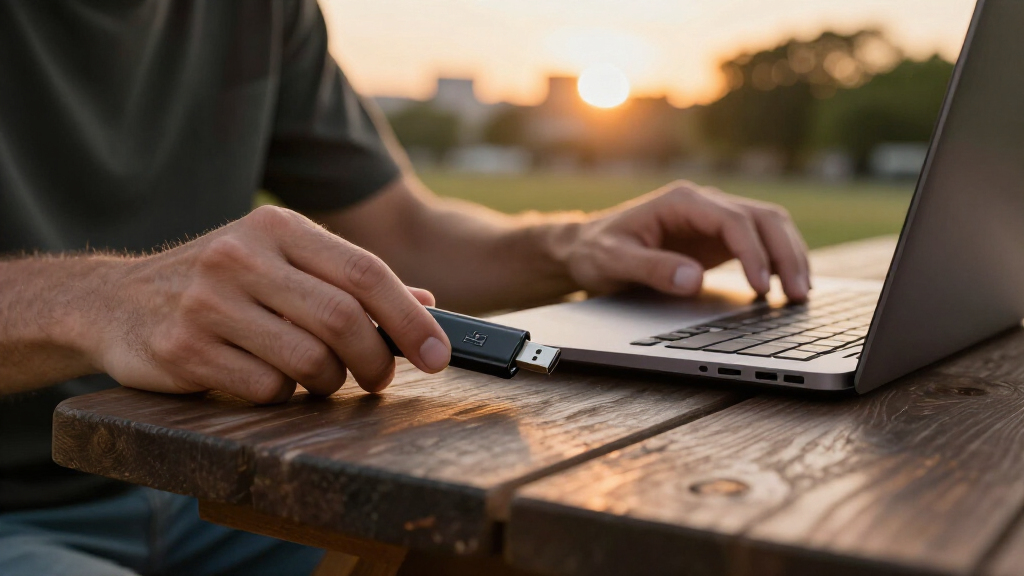
My ranking logic starts with where encryption happens. Drives that encrypt in hardware with a physical keypad outrank software-based options because the PIN never touches the host machine, closing off keylogger and malware attacks entirely. Next I weighed certification and encryption standards — FIPS 197 or 140-2 level validation signals the drive survived independent attack testing, which separates genuinely secure hardware from drives that merely claim 256-bit AES. Third, I scored daily usability: how quickly you can unlock the drive, whether it works across operating systems without admin rights, and how forgiving it is if you mistype your PIN.
From there, the ranking reflects capacity value and build quality. A 2TB encrypted desktop drive at a fair price beats a 16GB flash drive costing nearly as much, unless portability is the whole point — which is why both types appear near the top serving different buyers. Finally, I factored in warranty length and vendor track record, since encrypted drives typically hold irreplaceable data and a dead drive with no recovery path is a total loss. Products missing admin modes, brute-force self-destruct, or cross-platform support were pushed down regardless of price.
| encrypted USB drives for security | Interface |
|---|---|
| iStorage diskAshur DT2 2TB Enc | — |
| Kingston DataTraveler Vault Pr | USB 3.0, Type-A |
| Kingston IronKey Keypad 200 16 | USB 3.2 Gen 1, Type-A |
| Apricorn 2TB Aegis Padlock USB | USB 3.0 |
| Integral 4GB Crypto-197 Encryp | USB 3.0 |
| Integral 16GB Crypto-197 256-B | — |
| Apricorn 8GB Aegis Secure Key | — |
| iStorage diskAshur3 500GB Port | — |
| Secure 32GB Encrypted USB 3.0 | USB 3.0 |
| iStorage diskAshur2 1TB Portab | — |
| Kingston IronKey Vault Privacy | USB 3.2 Gen 1 (USB Type-A) |
| Integral 16GB Crypto-197 256-B | USB 3.0 |
Factors to Consider When Choosing Encrypted USB Drives For Security
Before settling on any single drive, it helps to understand what actually separates a secure purchase from an expensive mistake. These are the factors that shaped my rankings and should shape your decision too.Hardware vs. Software Encryption
This is the single biggest fork in the road, and it explains most of the price differences across this roundup. Hardware encryption means a dedicated chip inside the drive handles all cryptographic operations — your PIN, the keys, and the decryption never pass through your computer’s memory where malware can intercept them. Software-encrypted drives like the Kingston DataTraveler Vault Privacy rely on a program running on the host machine, which works fine on your own laptop but can fail silently on public terminals, locked-down workstations, or machines where you lack installation rights. A common mistake is assuming software encryption is automatically weaker; the math is often identical. The real weakness is exposure — software solutions trust the host, hardware solutions do not. If you regularly plug into computers you don’t control, the premium for hardware encryption is money well spent.
Keypad Entry and Keylogger Resistance
Drives with onboard keypads occupy the top of this category for a reason that’s easy to miss: a keylogger on a compromised computer captures everything you type, including passwords entered through software. When you type your PIN directly onto the drive itself, the host machine never sees the credential. This matters most for journalists, contractors, and anyone handling sensitive data on shared or unfamiliar systems. The tradeoff is physical — keypad drives are bulkier, cost more, and add an extra step to every unlock. Buyers who only use their drive on a trusted home or office machine get little practical benefit from a keypad and can save meaningfully with a standard PIN-entry flash drive like the IronKey Vault Privacy 50.
FIPS Certification and Compliance
If you work in government, healthcare, finance, or any regulated industry, FIPS certification is not optional — it’s a procurement requirement. The Integral Crypto-197 line carries FIPS 197 validation, while iStorage and Apricorn drives typically meet the stricter FIPS 140-2/140-3 levels, which involve physical tamper testing rather than just algorithm validation. The mistake buyers make here is paying for certification they don’t need. FIPS 197 essentially confirms the AES implementation is correct; it says nothing about whether the drive resists physical attacks. For personal use — tax documents, family photos, password archives — an uncertified but well-built hardware-encrypted drive offers the same practical protection at a lower price. Match the certification level to your actual obligation, not to marketing language.
Capacity: Flash Drive or Portable Hard Drive
This roundup deliberately includes both form factors because they serve opposite missions. Flash drives win on survivability — no moving parts, pocketable, and tolerant of being dropped or carried daily in a bag. Encrypted portable hard drives like the diskAshur2 and Aegis Padlock deliver 30-60x the capacity per dollar, which changes the calculus entirely once you need to back up a full workstation or transport large media archives. The trap to avoid is buying capacity you won’t use; encrypted drive failure means total data loss with no practical recovery, so a 2TB drive holding your only copy of important files is a bigger risk than a redundant 32GB drive. Many security-conscious buyers end up with both: a small flash drive for transit and a larger drive for encrypted backups.
Brute-Force Protection and Admin Features
A dedicated attacker can try every PIN combination unless the drive stops them, which is why brute-force self-destruct mechanisms separate serious hardware from toys. Most drives in this lineup wipe their encryption keys after a set number of wrong attempts, rendering the data permanently unreadable. Beyond that, look for an admin mode that lets you set a separate admin PIN to reset user access — without it, a forgotten PIN means forgotten data, full stop. Some drives also support read-only modes, which are invaluable when you need to share files without risk of the recipient’s machine writing malware back to your drive. These features rarely appear on spec sheets prominently, but they define the day-to-day ownership experience far more than read/write speeds.
Speed and Real-World Transfer Expectations
Encryption adds overhead, and it shows in transfer speeds more than buyers anticipate. USB 3.0 encrypted flash drives in this category commonly sustain well below their theoretical 5Gbps ceiling because the encryption chip, not the interface, is the bottleneck. Filling a 2TB encrypted hard drive can take the better part of a day if the drive averages under 100MB/s. The practical takeaway: if you plan to move large volumes regularly, prioritize drives with documented sustained write speeds rather than headline interface ratings. For occasional document and file transfers, speed differences between models in this roundup barely register. Don’t pay extra for speed you’ll never notice — spend that budget on capacity or a better encryption architecture instead.
Frequently Asked Questions
What happens if I forget my PIN on an encrypted USB drive?
On almost every drive in this category, a forgotten user PIN is recoverable only if the device supports an admin PIN that was set up beforehand — the admin can unlock the drive or issue a new user PIN without losing data. Drives like the iStorage diskAshur3, IronKey Keypad 200, and Apricorn Aegis line all include this two-tier system, which is a major reason they rank above basic options. If no admin PIN was configured and the user PIN is lost, the data is gone permanently because the encryption key is tied to that credential. Some drives allow one-time recovery codes, but these must be generated and stored before you need them. The habit worth building: set the admin PIN at initial configuration and store it somewhere separate from the drive itself.
Are hardware-encrypted drives worth the extra cost over software encryption?
It depends entirely on where you plug the drive in. If the drive only ever touches your own machines, free software encryption like VeraCrypt delivers equivalent cryptographic strength at zero hardware cost, and a basic software-encrypted drive like the Kingston DataTraveler Vault Privacy covers the middle ground. The hardware premium buys you immunity to keyloggers, no dependence on host software, and consistent cross-platform behavior — you can unlock a keypad drive on a smart TV, a locked-down library terminal, or a colleague’s laptop without installing anything. Buyers who travel, work in shared environments, or handle compliance-sensitive data get clear value from hardware. Home users with a single trusted computer often don’t, and overspending there buys security theater rather than security.
Can I use one encrypted drive across Windows, Mac, and Linux?
Hardware-encrypted drives handle this far more gracefully than software ones. Because the unlock happens on the device itself via keypad or a tiny onboard interface, the computer just sees a normal storage volume once it’s unlocked — so drives like the diskAshur3 or Aegis Secure Key 3 NX work on virtually any USB host regardless of operating system. Software-encrypted drives are the problem area: the Kingston DataTraveler Vault Privacy, for example, has unlock utilities that may not exist for Linux or require admin installation rights that locked-down Macs block. One additional wrinkle is the filesystem — a drive formatted as NTFS may be read-only on macOS, and exFAT is the usual cross-platform compromise. Check both the unlock method and the pre-formatted filesystem before buying if you move between platforms regularly.
Is a smaller-capacity encrypted drive actually more secure?
Capacity has no direct effect on encryption strength — 256-bit AES protects 4GB and 2TB identically. But there’s a real indirect security argument for smaller drives: less data on a lost device means less exposure when things go wrong. A 4GB or 8GB drive like the Integral Crypto 197 4GB or Kingston DTVLP 8GB forces you to carry only what you need for the task at hand, which is good data hygiene. Large drives invite dumping everything onto them, turning a single loss incident into a catastrophe. The counterpoint is practicality: if your work requires carrying large files, an undersized drive just means repeated transfers and weaker operational security through more touchpoints. Match capacity to your actual per-trip data footprint rather than to your total storage pile.
Do encrypted USB drives wear out or fail faster than regular drives?
Encrypted flash drives face the same flash-memory wear limits as ordinary ones, and heavy write cycles will eventually degrade the memory cells — though for typical document-transfer use, this takes many years. Encrypted hard drives like the diskAshur2 and Aegis Padlock carry the mechanical failure risks of any spinning disk, which is why they suit desk duty and planned backups better than constant travel. The more pressing failure mode is logical rather than physical: corrupted encryption controllers can render data inaccessible even when the memory is intact, and recovery from an encrypted drive is effectively impossible by design. That reality makes keeping a second encrypted copy of anything important the single best practice in this entire category, regardless of which drive you buy.
Conclusion
After comparing all 12 drives, the right choice maps cleanly to what you’re protecting and where. For best overall, the iStorage diskAshur3 500GB delivers the strongest security architecture, keypad entry, and a capacity that handles real-world backup needs — it’s the pick I’d point most buyers toward. The Integral Crypto-197 16GB takes best value, combining FIPS 197 certification and hardware encryption at a price that undercuts the big brands without giving up the fundamentals. On the premium end, the Apricorn 2TB Aegis Padlock is the desktop workhorse for buyers who need maximum certified capacity, while the iStorage diskAshur DT2 2TB suits stationary office deployments with the same pedigree.
Beginners should start with the Kingston IronKey Vault Privacy 50 16GB — simple PIN management, a trusted brand, and no complex admin setup to get wrong before you’ve learned the ropes. For specific needs: field workers and travelers get the best protection-to-portability ratio from the Kingston IronKey Keypad 200 or the Apricorn Aegis Secure Key 3 NX, both of which offer keylogger-proof onboard entry. Budget-conscious users with modest requirements can fall back on the Kingston DataTraveler Vault Privacy 8GB, accepting the software-encryption tradeoffs knowingly. Whatever you choose, the decision that matters most is buying hardware encryption you’ll actually use consistently — the best drive is the one whose security habits you can sustain.
Flea & tick season Picks
flea and tick prevention
As an affiliate, we earn on qualifying purchases.