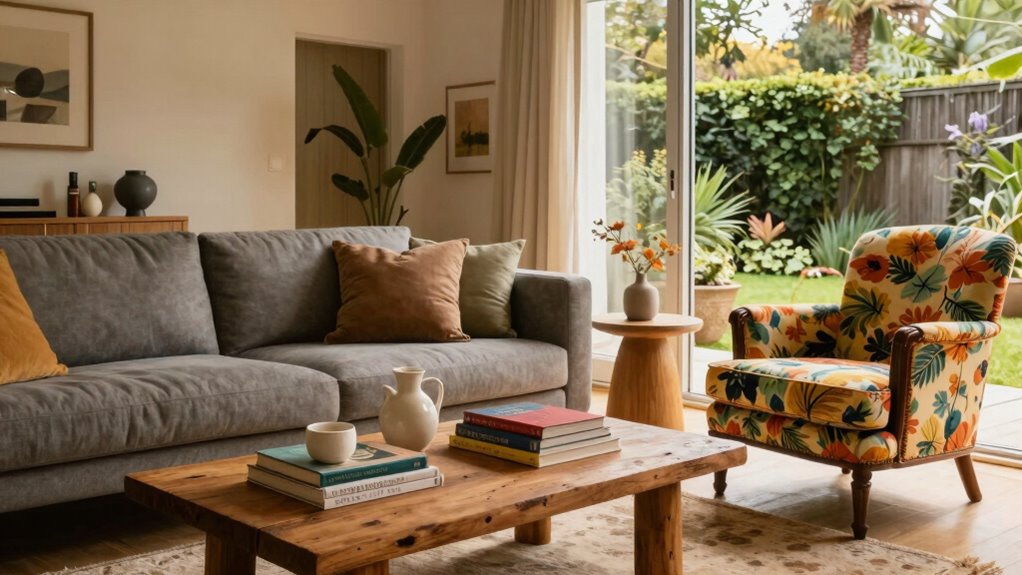

To build a shared space with different tastes, focus on blending styles through intentional color choices, using neutral palettes with bold accents, and mixing furniture styles like modern and vintage for contrast. Communicate openly about preferences and experiment with mood boards to find common ground. Incorporate natural elements and balance to create harmony, respecting individual preferences while maintaining cohesion. If you keep exploring, you’ll discover even more ways to personalize your home seamlessly.

Get privacy and security gear delivered free with Prime
- Fast, free delivery on millions of items
- Prime Video, Amazon Music and more included
- Member-only deals all year
Key Takeaways
- Use a harmonious color palette with accent pieces to blend bold and neutral preferences effectively.
- Mix and match furniture styles intentionally, combining modern with vintage for visual interest.
- Communicate openly about likes and dislikes, utilizing mood boards to find shared design goals.
- Focus on balance and contrast to create a cohesive, inviting environment that reflects both personalities.
- Incorporate natural elements and shared outdoor spaces to unify diverse tastes and add tranquility.
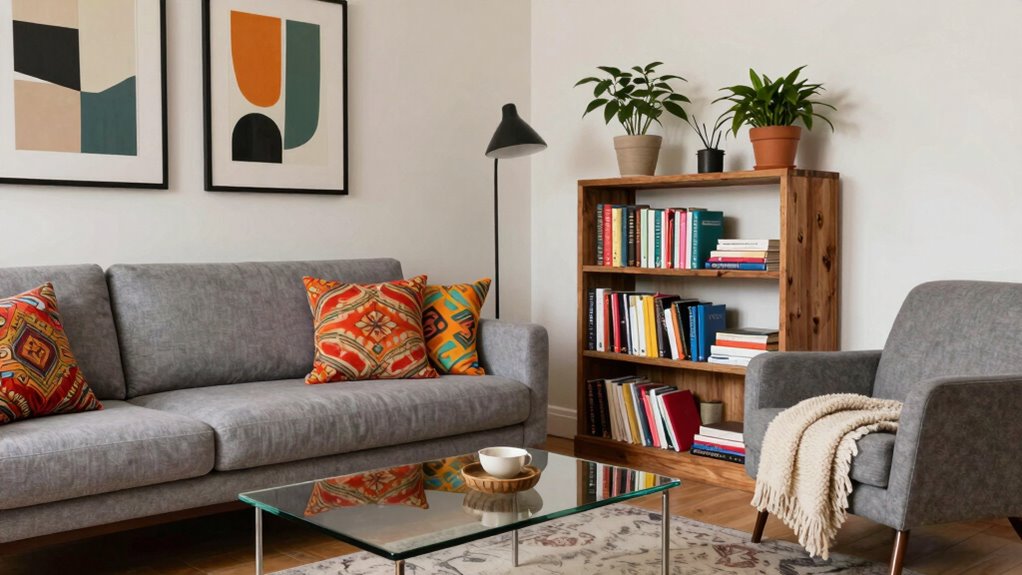
Blending different tastes in a shared space can seem challenging, but it’s entirely possible when you approach it with openness and a collaborative mindset. One of the key steps is focusing on color coordination. Instead of trying to match every shade perfectly, aim for a harmonious palette that combines both of your preferences. For example, if you love bold, vibrant colors and your partner prefers neutral tones, find a middle ground with accent pieces or smaller decor items. Use color to create visual cohesion—perhaps a shared wall painted in a soft, muted hue that complements both your tastes, or throw pillows that incorporate both of your favorite colors. This way, you respect individual preferences while maintaining a unified look.
Harmonize your space with color by blending bold and neutral tones through accents and cohesive decor choices.
When it comes to furniture style, the goal is to blend rather than clash. You might prefer modern, sleek furniture, while your partner leans toward vintage or rustic pieces. Here, flexibility is your best friend. Consider mixing styles intentionally—pair a contemporary sofa with a vintage coffee table, or incorporate furniture with a neutral finish that can seamlessly adapt to different decor elements. You can also focus on the shape and function of furniture, choosing pieces that serve your needs while remaining visually compatible. If you agree on a shared aesthetic, you can incorporate elements like textured fabrics, unique hardware, or decorative accents that bridge the styles together. It’s helpful to remember that interior design principles often emphasize balance and contrast, which can guide your choices. Being open to design flexibility can also help you find unexpected but harmonious combinations that reflect both of your tastes. Additionally, exploring aesthetic harmony can inspire you to create a cohesive look that feels natural and inviting.
Communication is crucial throughout this process. Talk openly about what each of you loves and dislikes, and be willing to compromise. Remember, this isn’t about one person’s taste winning out but about creating a space that feels personal and comfortable for both of you. Use mood boards or Pinterest boards to visualize different ideas and find common ground. As you curate your space, don’t be afraid to experiment—try out different combinations, and see what feels right in real life. It’s also useful to consider outdoor lifestyle elements, like incorporating a cozy patio or a shared garden space, to further blend your tastes into a cohesive environment. Incorporating natural elements can also bring a unifying touch to diverse interior styles, fostering a sense of harmony and tranquility.
Ultimately, the goal is to create a home that reflects your combined personalities. By paying attention to color coordination and blending furniture styles thoughtfully, you turn potential clashes into opportunities for creative expression. When you approach your shared space with patience and a willingness to adapt, you’ll find that your different tastes can complement each other beautifully—making your home uniquely yours.
neutral color palette accent decor
As an affiliate, we earn on qualifying purchases.
As an affiliate, we earn on qualifying purchases.
Frequently Asked Questions
How Do You Compromise on Decor Choices?
You compromise on decor choices by openly discussing your personal styles and identifying common themes. When faced with decor conflicts, focus on blending elements that reflect both tastes, like choosing neutral base colors and adding accents representing each person’s preferences. You can also create designated spaces that showcase individual styles while maintaining a cohesive overall look. This approach fosters mutual respect and helps you build a shared space that feels truly yours.
What Budget Strategies Work Best for Shared Spaces?
To maximize your shared space budget, allocate funds based on priority and style preferences. Focus on cost-effective solutions like DIY projects, secondhand finds, or versatile furniture pieces that suit both tastes. Set clear budget limits for each area, and look for sales or discounts to save money. This strategic budget allocation helps you create a harmonious environment without overspending, ensuring both partners feel comfortable and satisfied with your shared space.
How Can Couples Avoid Conflicts During Decorating?
Did you know 60% of couples report conflicts over decorating? To avoid fights, prioritize open communication about personal style and individual expression. You should listen actively and compromise on key elements rather than insisting on your preferences. Focus on blending styles rather than merging them, and set clear boundaries for shared spaces. This way, both of you feel respected, and your home becomes a reflection of both your tastes without constant conflict.
What Are Some Neutral Color Schemes for Diverse Tastes?
A neutral color scheme works well for diverse tastes by creating a balanced and calming color palette. Opt for shades like beige, taupe, greige, or soft gray, which foster design harmony without overwhelming the space. These neutral tones serve as a versatile backdrop, allowing each partner’s accent choices to stand out. This approach helps you blend different preferences seamlessly, ensuring your shared space feels cohesive and inviting.
How Do You Incorporate Both Partners’ Hobbies Into the Space?
To include both partners’ hobbies, create dedicated hobby zones that reflect each person’s interests. Incorporate personalized displays, like framed photos or memorabilia, to celebrate individual passions. Balance the space by blending these zones seamlessly into the overall design, ensuring both feel valued. This way, each person’s hobbies are showcased proudly, fostering a shared environment where personal interests coexist harmoniously, strengthening your connection and making the space uniquely yours.
As an affiliate, we earn on qualifying purchases.
Conclusion
Remember, nearly 60% of couples with differing tastes successfully create a shared space by focusing on compromise and respect. By blending your styles thoughtfully, you turn your home into a reflection of both personalities. Keep communication open and celebrate your unique differences. With patience and creativity, you’ll find that harmony in your shared space isn’t just possible — it’s a beautiful journey worth embracing. Your distinctive tastes can truly come together in a space you both love.
As an affiliate, we earn on qualifying purchases.
As an affiliate, we earn on qualifying purchases.
Halloween Picks
halloween
As an affiliate, we earn on qualifying purchases.