
Engaging in puzzles can help you find calm and reduce stress by encouraging focus on soothing visuals, symmetrical designs, or gentle gradients that promote relaxation. As you work on matching colors or aligning shapes, you’ll enter a meditative rhythm that shifts your brain into a calmer state. Puzzles also offer a mindful activity you can do anywhere, helping you stay centered during busy or anxious moments. Keep exploring to discover more ways puzzles can support your well-being.
Key Takeaways
- Puzzles promote mindfulness by encouraging focused attention on calming visuals and patterns, reducing stress.
- Engaging with puzzles helps create a meditative rhythm, fostering relaxation and emotional balance.
- Serene scenes and symmetrical designs in puzzles soothe the visual cortex, aiding in thought release and anxiety reduction.
- Puzzles are portable, accessible activities that can be integrated into daily routines for ongoing stress management.
- Regular puzzle-solving enhances mental clarity, patience, and present-moment awareness, supporting long-term emotional well-being.
In today’s fast-paced world, finding effective ways to reduce stress and stay present can be challenging. You might feel overwhelmed by daily responsibilities, deadlines, or constant notifications, making it hard to find moments of peace. Engaging in puzzles designed for mindfulness offers a simple but powerful way to center yourself. These puzzles often incorporate meditative patterns and calming visuals that help quiet your mind and foster a sense of tranquility. When you focus on completing a puzzle with soothing colors and repetitive shapes, your brain shifts into a calmer state, allowing you to temporarily escape from worries and distractions.
As you work through a puzzle, you naturally begin to pay attention to the details—matching colors, aligning shapes, and following patterns. This focus creates a meditative rhythm, much like breathing exercises or guided meditation. The repetitive nature of these puzzles encourages a flow state, where your thoughts settle and you become fully immersed in the present moment. The calming visuals often include serene scenes, gentle gradients, or symmetrical designs, which promote relaxation and reduce anxiety. These visuals serve as visual anchors, helping you stay engaged without feeling overwhelmed or rushed. They also stimulate your visual cortex in a soothing way, making it easier to let go of racing thoughts and intrusive worries.
You might find that the more you engage with these puzzles, the more your overall stress levels decrease. They act as a mental reset, allowing you to pause and reset your emotional state. Unlike some activities that demand high energy or intense concentration, these puzzles offer a gentle challenge that’s accessible anytime. Whether you’ve got a few minutes during a break or a longer stretch of downtime, working on a puzzle with calming visuals can help you regain focus and emotional balance. Plus, the physical act of placing pieces or completing sections provides a tactile sensation that further grounds you in the present, reinforcing mindfulness. Additionally, engaging in these activities can promote mental clarity by fostering a deeper awareness of your thoughts and feelings in the moment.
Incorporating puzzles with meditative patterns into your routine can become a reliable tool for managing stress. They’re portable, easy to start, and don’t require any special skills or equipment. The key is to approach them with patience and a sense of curiosity, allowing yourself to fully experience the calming effect of the visuals and the meditative patterns. Over time, you’ll likely notice a greater ability to stay centered amid life’s chaos, thanks to the simple, mindful practice of engaging with these thoughtfully designed puzzles.
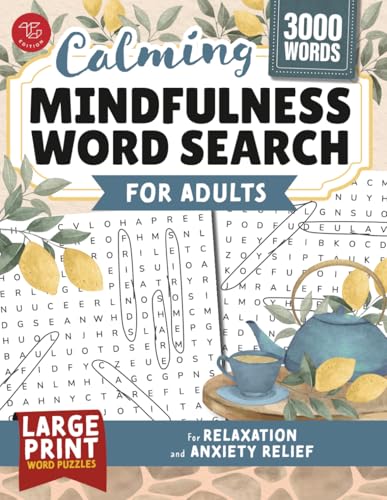
Calming Mindfulness Word Search for Adults: Large Print Word Puzzles for Relaxation and Anxiety Relief (Word Find Books For Adults)
As an affiliate, we earn on qualifying purchases.
As an affiliate, we earn on qualifying purchases.
Frequently Asked Questions
Can Puzzles Improve Mental Health Long-Term?
Yes, puzzles can improve your mental health long-term. They boost cognitive benefits like problem-solving and memory, which keep your mind sharp. Additionally, working through puzzles helps build emotional resilience by teaching patience and persistence during challenges. Regularly engaging with puzzles can reduce stress and foster a sense of achievement, ultimately supporting your mental well-being over time. So, keep puzzling to enjoy these lasting mental health advantages.
Are Certain Puzzle Types Better for Stress Relief?
Certain puzzle types, like coloring activities and brain training games, are especially effective for stress relief. Coloring helps you relax by engaging your creativity and focusing your mind, while brain training exercises challenge your cognition without overwhelming you. Both activities encourage mindfulness and distraction from stressors, making them ideal choices. You’ll find that incorporating these puzzles into your routine can boost your mood and promote calmness over time.
How Often Should I Do Puzzles for Mindfulness Benefits?
You should aim to do puzzles daily to maximize mindfulness benefits and support your cognitive enhancement. Incorporating puzzle time into your daily routine helps you stay focused, reduces stress, and sharpens your thinking skills. Even just 15-30 minutes each day can make a noticeable difference in your mental clarity and emotional well-being. Consistency is key, so find a regular time that fits into your schedule for ongoing stress relief.
Do Puzzles Help With Anxiety or Depression?
Think of your brain as a 21st-century smartphone—constantly needing updates. Puzzles boost your brain engagement, which can help manage anxiety and depression by fostering focus and calming your mind. While they aren’t a cure-all, regularly solving puzzles builds emotional resilience, giving you a healthy outlet to process emotions. So, yes, puzzles can be a helpful tool to support mental health, especially when combined with other treatments.
Can Puzzles Replace Other Stress Management Techniques?
Puzzles can’t fully replace other stress management techniques, but they can be a helpful addition. They promote meditative focus and cognitive engagement, helping you stay present and reduce anxiety temporarily. However, for long-term relief, combine puzzles with practices like meditation, exercise, or therapy. Puzzles boost your mindfulness skills and mental clarity, making them a valuable part of a broader stress management plan, not a complete substitute.

300-Piece Calm Jigsaw Puzzle for Relaxation, Stress Relief, and Mood Elevation, for Adults and Kids Ages 8 and up, Foggy Mountains
BRING SOME CALM INTO YOUR LIFE: Comes with a free 30-day subscription to the #1 App for mental…
As an affiliate, we earn on qualifying purchases.
As an affiliate, we earn on qualifying purchases.
Conclusion
Next time you feel overwhelmed, try a puzzle to boost your mindfulness and reduce stress. Engaging in puzzles can lower cortisol levels by up to 20%, helping you feel calmer and more focused. Remember, taking just 15 minutes for a puzzle can make a big difference in your mental well-being. So, pick up that puzzle today and give your mind the break it deserves—your stress levels will thank you!

1000 Piece Jigsaw Puzzle for Adults – Serene Buddha Statue Puzzles, Meditative Spiritual Art with Detailed Statues & Lotus Base, Finished Size 27.5" x 19.7" Calming Decorative Puzzle Gift (Bodhi)
TRANQUIL SPIRITUAL SCENE: Features a detailed central Buddha statue (with intricate robe patterns) alongside smaller meditative figures, a…
As an affiliate, we earn on qualifying purchases.
As an affiliate, we earn on qualifying purchases.
300-Piece Calm Jigsaw Puzzle for Relaxation, Stress Relief, and Mood Elevation, for Adults and Kids Ages 8 and up, Foggy Mountains
BRING SOME CALM INTO YOUR LIFE: Comes with a free 30-day subscription to the #1 App for mental…
As an affiliate, we earn on qualifying purchases.
As an affiliate, we earn on qualifying purchases.