
To protect your privacy with home IoT devices, make certain all data is encrypted to keep communication secure and prevent unauthorized access. Regularly update firmware to patch vulnerabilities, and review privacy policies to understand how your data is stored and used. Use strong, unique passwords for device access and enable multi-factor authentication when possible. Also, check electrical safety to prevent malfunctions. If you want to learn more about safeguarding your smart home, there’s more to consider.
Key Takeaways
- Review privacy policies to understand how your data is collected, stored, and shared by IoT devices.
- Ensure devices support strong encryption protocols to protect sensitive information during transmission.
- Regularly update device firmware to patch vulnerabilities that could expose personal data.
- Implement multi-factor authentication and change default passwords to prevent unauthorized access.
- Limit device access permissions and disable unnecessary features to reduce potential privacy risks.
As more households incorporate Internet of Things (IoT) devices, understanding the privacy risks involved becomes essential. These devices collect, transmit, and store personal data, often without clear oversight, making it critical to grasp how to protect your information. One of the foundational steps is guaranteeing that data encryption is in place. When your IoT devices communicate with servers or other gadgets, encryption scrambles the data, making it unreadable to anyone intercepting the transmission. Without proper encryption, sensitive details like your daily routines, voice commands, or even security footage could be exposed to hackers or malicious actors. You should always verify that your devices support robust encryption protocols, and keep their firmware updated to patch any vulnerabilities that could compromise this layer of security. Additionally, understanding the safety of electrical components in your devices helps prevent malfunctions or hazards that could compromise your privacy and safety. User authentication is equally crucial. It acts as the gatekeeper, ensuring only authorized individuals can access or control your IoT devices. Many devices come with default passwords or weak security measures, which hackers can easily exploit. Changing default credentials and setting strong, unique passwords for each device is one of the simplest yet most effective steps you can take. Multi-factor authentication adds an extra layer of security, requiring you to verify your identity through a secondary means, such as a fingerprint or a one-time code sent to your phone. This way, even if someone gains access to your password, they still can’t control your devices without the additional verification step. Beyond setting strong credentials, it’s important to understand the authentication methods your devices use. Some may rely on token-based authentication or biometric verification, which can considerably reduce unauthorized access risks. You should also review the privacy policies associated with your IoT devices to understand what data is collected, how it’s stored, and who has access to it. Regularly updating device firmware and security settings ensures that known vulnerabilities are patched, and that your authentication methods remain effective against evolving threats.

WiFi Wireless Alarm System for Home Security – 24/7 Protection Smart Home Devices 4.3" Touch Screen, GSM/4G+WiFi, App Instant Alerts, No Monthly Fee, Alexa Compatible for Villa, Kids Safety (24 pcs)
𝐃𝐮𝐚𝐥 𝐖𝐢𝐅𝐢 + 𝟒𝐆 𝐒𝐞𝐜𝐮𝐫𝐢𝐭𝐲: Equipped with a 2.4GHz WiFi and 2G/4G connection (5G not supported), this home…
As an affiliate, we earn on qualifying purchases.
As an affiliate, we earn on qualifying purchases.
Frequently Asked Questions
How Can I Detect Unauthorized Data Collection by Iot Devices?
You can detect unauthorized data collection by monitoring your network for anomalies. Use network monitoring tools to track unusual device activity or data traffic spikes. Set up alerts for suspicious behavior, such as unexpected data transmissions or connections to unknown servers. Regularly review your IoT device logs and firmware updates to identify any irregularities. Anomaly detection helps you spot potential breaches early, ensuring your privacy stays protected.
Are There Legal Protections for My Smart Home Data Privacy?
Yes, you do have legal protections for your smart home data privacy. Laws like the GDPR and CCPA give you rights over your personal data, requiring companies to protect it and inform you of data breaches. These legal rights empower you to request access, deletion, or correction of your data. Stay vigilant about data breaches, and if you suspect mishandling, you can take legal action or report it to authorities.
How Do Firmware Updates Affect My Device’s Privacy Settings?
Firmware updates can impact your device’s privacy settings by including security patches that improve firmware security and fix vulnerabilities. When you install these updates, they often enhance privacy protections, but sometimes they might reset settings or introduce new data collection features. To keep your privacy intact, always review update details, enable automatic updates if available, and verify that the latest firmware includes necessary privacy patches to safeguard your personal data.
Can I Limit Data Sharing Between Devices Within My Smart Home?
Yes, you can limit data sharing between your smart home devices by implementing device segmentation and practicing data minimization. Segment your network to keep devices isolated, preventing unnecessary data exchange. Additionally, adjust privacy settings on each device to restrict data sharing. Regularly review and disable any features that collect or transmit more data than needed. These steps help protect your privacy and give you better control over your smart home ecosystem.
What Are the Best Practices for Securely Disposing of Iot Devices?
Did you know that over 80% of IoT device users don’t properly dispose of them? To securely dispose of your IoT devices, focus on device decommissioning and data sanitization. First, erase all personal data and reset the device to factory settings. Then, physically destroy or recycle the hardware responsibly. This way, you protect your privacy and prevent sensitive information from falling into the wrong hands.
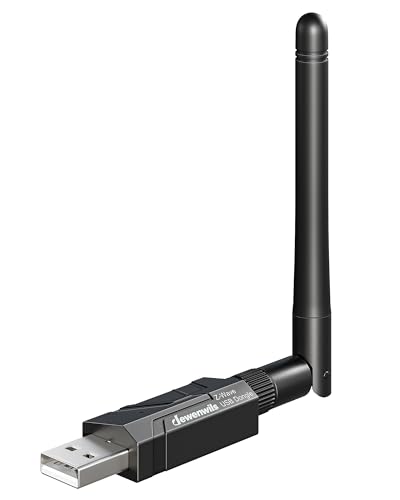
DEWENWILS 800 Z-Wave Dongle, Long Range S2 USB Stick, Compatible with Home Assistant & Other Smart Home Hubs, Plug & Play USB Controller for DIY Smart Home
[800 Series Long Range] Powered by the latest 800 Series Z-Wave Long Range (LR) module, this Z-Wave USB…
As an affiliate, we earn on qualifying purchases.
As an affiliate, we earn on qualifying purchases.
Conclusion
So, as you happily invite more smart devices into your home, remember that convenience often comes at the cost of privacy. Ironically, the very gadgets designed to simplify your life might be exposing your deepest secrets. While they promise comfort, they also open doors to unseen eyes. Stay vigilant, question what you share, and don’t let your trust in technology blind you to the risks lurking behind those friendly notifications.

Yubico – YubiKey 5C NFC – Multi-Factor authentication (MFA) Security Key and passkey, Connect via USB-C or NFC, FIDO Certified – Protect Your Online Accounts
POWERFUL SECURITY KEY: The YubiKey 5C NFC is the most versatile physical passkey, protecting your digital life from…
As an affiliate, we earn on qualifying purchases.
As an affiliate, we earn on qualifying purchases.

Klein Tools VDV526-100 Network LAN Cable Tester, VDV Tester, LAN Explorer with Remote
EFFICIENT CABLE TESTING: Cable tester with single button testing of RJ11, RJ12, and RJ45 terminated voice and data…
As an affiliate, we earn on qualifying purchases.
As an affiliate, we earn on qualifying purchases.