

You can catch inconsistent answers with MMPI validity scales by examining response patterns that don’t match honest, genuine responding. These scales analyze how questions are answered, flagging signs of exaggeration, denial, or randomness that suggest bias. If responses seem contradictory or overly distorted, the scales alert you to potential issues. Paying attention to these scales helps guarantee the results are trustworthy. Keep exploring to see how these tools make assessments more accurate and reliable.
Key Takeaways
- Validity scales analyze response patterns to identify inconsistencies or random answer sequences.
- They detect exaggerated or minimized responses that deviate from typical truthful patterns.
- Response styles such as “faking bad” or “faking good” trigger validity scale alerts.
- Inconsistent answers across different validity scales signal unreliable or distorted responses.
- Unusual scoring patterns or rapid, erratic answering behaviors indicate potential response bias.

The MMPI (Minnesota Multiphasic Personality Inventory) validity scales are essential tools that help psychologists assess whether a person’s test responses are genuine and reliable. These scales are designed to detect response bias, which can distort the results and compromise the accuracy of the assessment. When you take the MMPI, you might sometimes respond in ways that do not reflect your true feelings or experiences. That’s where the validity scales come in—they act as safeguards, guaranteeing that the test results are trustworthy and truly representative of your personality.
Response bias occurs when a person intentionally or unintentionally answers questions in a way that skews their results. For example, you might overstate symptoms to appear more distressed or underreport issues to seem healthier. Such tendencies can threaten the test’s reliability, making it difficult for psychologists to interpret your responses accurately. The validity scales are specifically designed to flag these kinds of inconsistent or exaggerated answers. They analyze patterns within your responses that are unlikely to occur in honest testing, such as unusually high or low scores on certain items.
Response bias can distort test results, so validity scales detect inconsistent or exaggerated answers to ensure accurate assessments.
When you answer the MMPI, the validity scales evaluate your response style by looking for signs of exaggeration, denial, or randomness. If you respond in a way that suggests you’re exaggerating symptoms, the scales will indicate “faking bad,” signaling to the psychologist that your responses may not be entirely truthful. Conversely, if you deny experiencing symptoms even when you clearly do, the scales might flag “faking good.” These markers help determine whether your answers reflect your true state or are influenced by response bias. By identifying these issues early, psychologists can interpret your results more accurately, maintaining the test’s overall reliability.
The strength of the MMPI validity scales lies in their ability to catch inconsistent answers that could undermine the test’s purpose. If your responses are flagged as unreliable, the psychologist can then decide whether to trust the results or seek additional information. This process ensures that the assessment remains a valid reflection of your personality and mental health. Ultimately, the validity scales reinforce the integrity of the entire testing process, helping you and your healthcare provider make informed decisions based on trustworthy data. They serve as an essential check, making sure that the results you provide are as honest and accurate as possible, which is fundamental for effective diagnosis and treatment planning. Additionally, understanding response bias is crucial for interpreting test results accurately, as it directly impacts the validity of the assessment.

Tru Test S3 Scale and MP600 Loadbar System – Platform Not Included – Load Bars Included
Highly Visible Display: The high-contrast, LED-backlit display ensures clear visibility in all lighting conditions, while a red LED…
As an affiliate, we earn on qualifying purchases.
As an affiliate, we earn on qualifying purchases.
Frequently Asked Questions
How Do MMPI Validity Scales Differ From Clinical Scales?
Think of the MMPI as a detective’s toolkit. Validity scales act like a lie detector, checking response consistency to guarantee honest answers, while clinical scales explore into personality traits and mental health issues. Validity scales guard against scale interpretation errors by flagging inconsistent responses, whereas clinical scales interpret the patterns in your answers to understand underlying concerns. Together, they provide a balanced, accurate picture of your psychological profile.
Can Valid Responses Be Mistaken for Inconsistent Answers?
Yes, valid responses can sometimes be mistaken for inconsistent answers. If your responses aren’t perfectly consistent or if you’re uncertain, the MMPI validity scales might flag them as questionable, impacting perceived response accuracy. However, these scales are designed to detect patterns indicating over- or under-reporting, not to judge genuine honesty. So, if your answers are honest but slightly inconsistent, it might still affect how your answer consistency is viewed.
Are Validity Scales Applicable to All Age Groups?
Validity scales are generally applicable across age groups, but you should consider age-specific considerations and developmental differences. Younger children might interpret questions differently, affecting their responses. For adults, certain scales may be more relevant, while for adolescents, adjustments might be needed. Always interpret results with awareness of these factors, ensuring that developmental differences don’t lead to misinterpretation of the validity scales’ findings.
How Often Are MMPI Validity Scales Updated or Revised?
Imagine a vintage radio needing regular tune-ups—MMPI validity scales are similar. They’re revised periodically, though not on a strict schedule. The revision frequency depends on ongoing research, clinical needs, and technological advances. Typically, calibration updates happen every few years to guarantee accuracy and relevance. You should stay informed about official updates, as these revisions refine the scales and improve their ability to catch inconsistent answers effectively.
Do Cultural Differences Affect the Accuracy of Validity Scales?
Cultural differences can impact the accuracy of validity scales because cultural biases and language barriers may influence how you respond. If the test isn’t adapted for your cultural context, it might misinterpret honest answers as inconsistency or defensiveness. To guarantee accurate results, it’s essential that the scales consider cultural variations and that the language used is clear and accessible, minimizing misunderstandings and improving the test’s reliability across diverse populations.
psychological assessment response bias detection tools
As an affiliate, we earn on qualifying purchases.
As an affiliate, we earn on qualifying purchases.
Conclusion
By understanding how MMPI validity scales catch inconsistent answers, you can see their essential role in revealing the truth behind the responses. These scales act like a sharp eye, catching even the smallest cracks in honesty. When you’re aware of this, you realize that honesty is the best policy—because, in the end, they’re your best bet to get an accurate picture of someone’s mind. Trust in their watchful gaze; it’s the key to genuine insights.
MMPI response pattern analysis software
As an affiliate, we earn on qualifying purchases.
As an affiliate, we earn on qualifying purchases.
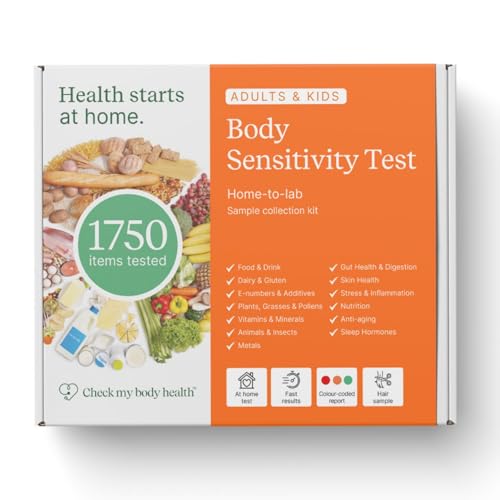
Check My Body Health 1,750 Items Body Food Sensitivity Test Kit for Adults and Kids – Food Intolerance Test Kit – At-Home Hair Test with Results in 3–5 Days + Nutritional Support & Meal Planner
FOOD INTOLERANCE TESTING KIT – 1,750 ITEMS TESTED: Uncover the hidden triggers behind bloating, fatigue, skin breakouts, or…
As an affiliate, we earn on qualifying purchases.
As an affiliate, we earn on qualifying purchases.