

Introversion isn’t just about being quiet; it involves deeper emotional, cognitive, and social traits. As an introvert, you recharge in solitude, value meaningful connections over superficial chats, and process emotions more deeply. It’s not about avoiding socializing or lacking confidence—it’s about needing time alone to regain energy. Recognizing these nuances helps you appreciate your unique personality. If you want to understand the full picture of introversion, keep exploring what truly makes it different from just being quiet.

Get privacy and security gear delivered free with Prime
- Fast, free delivery on millions of items
- Prime Video, Amazon Music and more included
- Member-only deals all year
Key Takeaways
- Introversion involves how energy is recharged and processed, not just being silent or shy.
- It encompasses emotional depth, reflection, and valuing meaningful, authentic connections over superficial interactions.
- Introverts experience feelings intensely and use solitude for emotional and mental self-renewal.
- Their preference for deep conversations and quality relationships distinguishes introversion from mere quietness.
- Recognizing introversion requires understanding its broader personality traits beyond surface-level behavior.
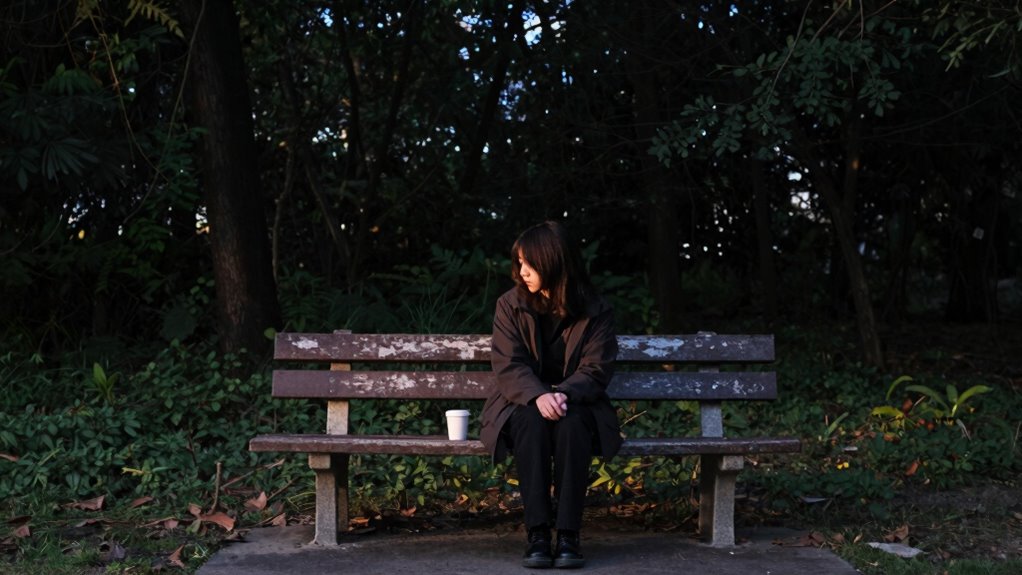
Have you ever assumed that introversion simply means being shy or quiet? Many people think introverts are just those who prefer to stay silent in social situations, but that’s a limited view. Being introverted isn’t about lacking confidence or avoiding social interaction altogether. Instead, it’s a personality trait that influences how you recharge, process experiences, and engage with the world. While introverts might prefer smaller, more intimate gatherings, it doesn’t mean they dislike social interaction. They often seek meaningful connections rather than superficial exchanges. For them, quality matters more than quantity, and engaging deeply with others can be energizing rather than draining.
What truly distinguishes introverts isn’t just their preference for solitude but their capacity for emotional depth. You might find that they experience feelings more intensely or reflect on their emotions more deeply than extroverts. This emotional depth allows them to develop a nuanced understanding of themselves and others. Instead of superficial chatter, they tend to focus on genuine conversations that explore ideas, feelings, and values. This isn’t about being aloof or detached; it’s about valuing thoughtfulness and authenticity in social interactions. They often prefer spending time alone to process emotions, reflect on experiences, and recharge their mental and emotional batteries. This introspective tendency is often mistaken for aloofness, but it’s really a sign of someone who values meaningful engagement over surface-level interactions. Recognizing that introversion involves personality traits that shape social experiences can help foster greater understanding and acceptance. Additionally, understanding how introverts experience social energy can encourage more inclusive interactions. Moreover, being aware of self-awareness as a core aspect of introversion can help both introverts and extroverts appreciate different social needs.
Understanding that introversion involves a different way of experiencing social interaction can shift how you see yourself and others. You might notice that social settings drain you faster or that you need time alone afterward to restore your energy. It’s not a sign of weakness or social ineptitude but a natural aspect of your personality that shapes how you connect with others on a deeper level. Your emotional depth means you’re often more attuned to your feelings and those of others, allowing for empathy and genuine understanding. This makes your interactions richer and more impactful, even if they’re fewer in number. Recognizing that introversion is about more than just being quiet helps you appreciate your unique strengths—your ability to foster authentic relationships, reflect deeply, and experience the world with a nuanced perspective. Embracing these traits can also lead to a greater appreciation of emotional intelligence and its role in meaningful social connections.
As an affiliate, we earn on qualifying purchases.
Frequently Asked Questions
How Can I Tell if I’M Truly Introverted?
You can tell you’re truly introverted if you prefer smaller, intimate social gatherings over large ones and find social interactions drain your energy. Your emotional tendencies lean toward reflection and deep thinking, often needing solitude to recharge. You might seek meaningful conversations rather than small talk and feel more comfortable in quiet environments. Recognizing these signs shows that your social preferences and emotional tendencies align with introversion, beyond just being quiet.
Are Introverts More Prone to Mental Health Issues?
Like a delicate glass, introverts can be more prone to mental health issues, especially if they experience social anxiety or emotional sensitivity. You might find social situations overwhelming or feel deeply affected by emotional stimuli. While introversion isn’t a diagnosis, these traits can increase vulnerability to anxiety or depression if not managed well. Recognizing and addressing these feelings early helps you maintain mental well-being and embrace your true self.
Can Introversion Affect Career Choices and Success?
Introversion can influence your career choices and success by shaping your approach to networking challenges and leadership styles. You might prefer deep, one-on-one conversations over large groups, which can limit opportunities but also foster strong relationships. In leadership, you may excel with a thoughtful, empathetic style, but struggle with visibility. Recognizing these traits helps you leverage strengths and develop strategies to succeed in diverse professional environments.
How Do Introverts Recharge Differently From Extroverts?
You recharge differently by seeking social solitude and embracing inner reflection. Instead of constant crowds, you find peace in quiet moments alone, allowing your mind to relax and refresh. This inward focus helps you regain energy, process thoughts, and restore balance. Unlike extroverts, who gain strength from social stimulation, you thrive through solitary activities that nurture your inner world and promote personal peace and renewal.
Is Introversion Linked to Specific Personality Traits or Disorders?
Introversion is linked to specific personality traits on the spectrum, like preference for solitude and deep thinking, but it’s not a disorder. While some introverts may experience social anxiety, not all do, and it’s important to distinguish between the two. You might find yourself more reflective and reserved, which are natural traits, not signs of a disorder. Recognizing this helps you embrace your personality without unnecessary labels.
mindfulness meditation for introverts
As an affiliate, we earn on qualifying purchases.
As an affiliate, we earn on qualifying purchases.
Conclusion
Remember, being introverted isn’t just about being quiet; it’s about how you recharge and connect with the world around you. You might prefer solitude or deep conversations over loud gatherings, but that doesn’t mean you’re shy or withdrawn. Think of it as a hidden gem—sometimes, the quietest voices hold the most profound wisdom. Embrace your true nature, and you’ll find that understanding yourself is the key to thriving, not just surviving, in any crowd.
As an affiliate, we earn on qualifying purchases.
meaningful conversation card games
As an affiliate, we earn on qualifying purchases.
As an affiliate, we earn on qualifying purchases.
Fall Picks
fall essentials
As an affiliate, we earn on qualifying purchases.