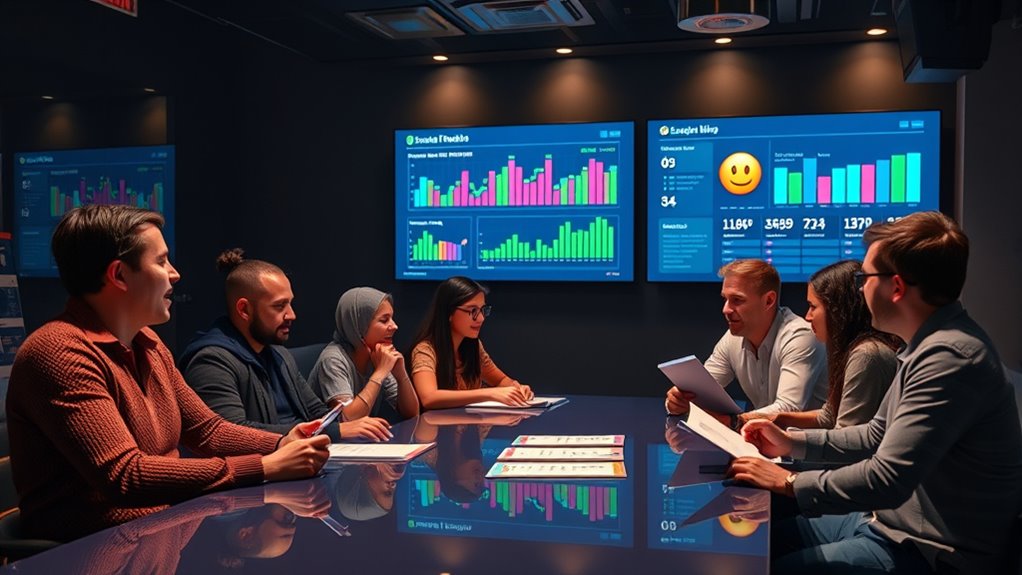

To measure your escape room’s player satisfaction, gather feedback through digital surveys after the game, or use tablets within the room for quick responses. Train staff to encourage honest input, emphasizing that every opinion matters. Offer incentives like discounts to motivate participation. Creating an open, welcoming environment helps guests share genuine thoughts, which you can analyze over time to identify trends and improve future experiences. Keep exploring to discover more effective strategies.

Get privacy and security gear delivered free with Prime
- Fast, free delivery on millions of items
- Prime Video, Amazon Music and more included
- Member-only deals all year
Key Takeaways
- Implement digital surveys immediately after gameplay to capture fresh feedback on player experiences.
- Train staff to encourage honest reviews and create a welcoming environment for sharing opinions.
- Use in-room kiosks or tablets for quick, convenient feedback collection before players leave.
- Analyze collected data regularly to identify trends, strengths, and areas for improvement.
- Offer incentives like discounts or prizes to motivate players to provide detailed and honest feedback.

Understanding how players feel about their escape room experience is vital for improving your setup and guaranteeing repeat visits. When you pay close attention to their feedback, you can identify what works well and what needs adjustment. One effective way to gather insights is by implementing technology integration into your feedback process. Digital surveys sent via email or embedded in your website make it easy for players to share their thoughts immediately after their game. You can also use tablets or kiosks within your escape room to prompt players for quick feedback before they leave. Technology streamlines the collection process, increases response rates, and provides valuable data that’s easy to analyze. It allows you to see trends over time, such as common frustrations or highly praised features, helping you make data-driven decisions for improvements. Additionally, integrating feedback analytics tools can help you interpret this data more effectively and identify patterns that might not be obvious at first glance.
However, technology alone isn’t enough. Staff training plays a pivotal role in making sure that the feedback process is smooth and effective. Your staff should be well-versed in encouraging players to share their opinions, whether through casual conversations or by reminding them about feedback options. They need to be approachable, attentive, and capable of handling any concerns or complaints professionally. Proper training ensures your team understands the importance of feedback and knows how to gather it without disrupting the immersive experience. Staff should also be prepared to respond to questions about the game or assist players with the feedback tools, creating a positive and engaging environment.
Encouraging honest feedback involves more than just collecting data; it requires fostering a culture of openness. You want players to feel comfortable sharing both positive and constructive criticism. To do this, train your staff to listen actively, thank players for their input, and demonstrate that their opinions matter. When players see that you value their feedback and are willing to act on it, they’re more likely to be honest and forthcoming, increasing the quality of the data you collect. Additionally, consider offering incentives, like discounts or small prizes, for completing surveys. This motivates players to participate and shows that you appreciate their effort.
digital survey tablets for escape rooms
As an affiliate, we earn on qualifying purchases.
As an affiliate, we earn on qualifying purchases.
Frequently Asked Questions
How Do Cultural Differences Affect Player Feedback?
Cultural differences markedly shape player feedback, as cultural nuances influence how players express satisfaction or frustration. You might find that language barriers hinder clear communication, leading to misunderstood feedback. Recognizing these differences helps you tailor your escape room experience, ensuring it resonates across diverse backgrounds. By actively considering cultural nuances and addressing language barriers, you enhance overall satisfaction and gather more accurate, valuable feedback from a global audience.
What Role Does Game Difficulty Influence Satisfaction Scores?
Game difficulty markedly influences your satisfaction scores by affecting your perception of the challenge level and overall experience. If the game complexity feels just right, you’ll likely feel more accomplished and engaged. However, if it’s too easy or too hard, frustration or boredom can diminish your enjoyment. Adjusting the challenge level to match players’ skill ensures they remain motivated, leading to higher satisfaction and positive feedback.
Can Feedback Vary Between Novice and Experienced Escape Room Players?
Yes, feedback can vary between novice and experienced escape room players. You’ll find that player motivation influences their responses, with novices often seeking fun and challenge, while veterans focus on puzzle complexity. This affects feedback accuracy, as experienced players may provide more nuanced insights, whereas novices might give more general impressions. Recognizing these differences helps you tailor your escape room design and better understand how each group perceives their experience.
How Do Seasonal or Themed Variations Impact Feedback Consistency?
Seasonal themes can profoundly impact feedback variability because players’ expectations and preferences change with the theme. During holidays or special events, players might be more enthusiastic or critical, affecting consistency. You’ll notice that feedback varies depending on the theme’s relevance or novelty, which influences overall satisfaction. To get accurate insights, consider analyzing feedback separately for each seasonal or themed variation, helping you improve the experience tailored to different occasions.
What Are Common Challenges in Interpreting Qualitative Feedback?
You might find interpreting qualitative feedback challenging because emotional responses can be subjective, making it hard to gauge overall satisfaction. Language nuances can also cause misunderstandings—what one player sees as a positive comment, another might interpret differently. You need to look for common themes, but remember, individual expressions vary. By considering context and emotional tone, you can better understand players’ true feelings and improve the escape room experience accordingly.
feedback kiosks for escape rooms
As an affiliate, we earn on qualifying purchases.
As an affiliate, we earn on qualifying purchases.
Conclusion
Think of your escape room as a ship sailing through uncharted waters. Gathering player feedback is like checking your compass and listening to the wind—guiding you toward smoother sailing and better journeys. By measuring satisfaction, you guarantee your crew remains enthusiastic and engaged, ready for new adventures. Keep refining your course with honest feedback, and your escape room will always be a treasure chest of memorable experiences and loyal explorers.
escape room customer feedback tools
As an affiliate, we earn on qualifying purchases.
As an affiliate, we earn on qualifying purchases.
As an affiliate, we earn on qualifying purchases.
Halloween Picks
halloween
As an affiliate, we earn on qualifying purchases.