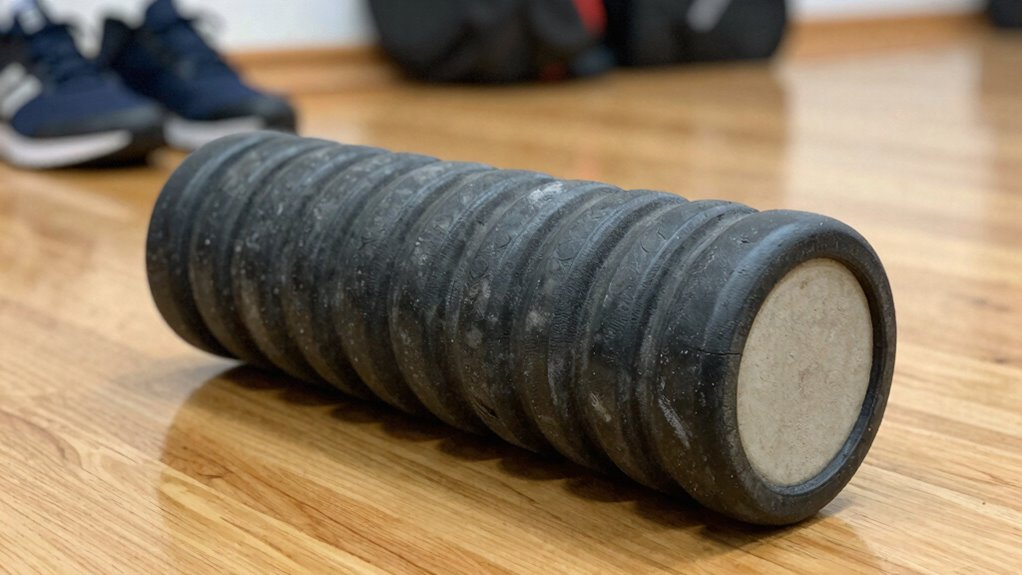

Many fitness enthusiasts misuse foam rollers by rushing through sessions, applying too much pressure, or rolling quickly over sore spots without pausing. This can cause discomfort or even tissue damage. Proper technique involves controlled, deliberate movements, spending enough time on each muscle group, and applying moderate pressure. If you keep these tips in mind, your recovery benefits will improve markedly. Keep going to unlock more strategies for effective recovery and injury prevention.

Get privacy and security gear delivered free with Prime
- Fast, free delivery on millions of items
- Prime Video, Amazon Music and more included
- Member-only deals all year
Key Takeaways
- Many users rush foam rolling, applying excessive pressure without pausing on tender spots, reducing effectiveness and risking tissue damage.
- Enthusiasts often roll quickly over muscles, neglecting targeted, controlled movements that promote muscle relaxation.
- Using foam rollers on bony areas or joints instead of muscle tissue can cause discomfort and injury.
- Not spending enough time (less than 30 seconds) on each muscle limits deep tissue release and recovery benefits.
- Failing to incorporate proper breathing techniques during foam rolling diminishes oxygen flow and muscle relaxation.

Have you ever wondered if you’re using your recovery tools correctly after a tough workout? Many fitness enthusiasts rely on post workout stretching and foam rolling techniques to help their bodies recover, but often, these tools are used improperly. You might be doing more harm than good without even realizing it. Understanding the proper way to incorporate these recovery methods can make a significant difference in how your body heals and prepares for your next workout.
When it comes to post workout stretching, many people think holding a stretch for just a few seconds is enough. In reality, effective post workout stretching involves holding each stretch for at least 30 seconds. This allows your muscles to relax and lengthen properly, reducing muscle tension and stiffness. Instead of bouncing through quick stretches, focus on slow, deep stretches that target the major muscle groups you’ve worked. Don’t stretch to the point of pain—aim for a gentle tension that feels comfortable, not uncomfortable. This approach enhances flexibility and promotes better blood flow, speeding up recovery.
Foam rolling is another recovery tool that’s often misused. Many people rush through foam rolling techniques, applying excessive pressure or rolling too quickly over muscles. The goal isn’t to cause pain but to release muscle knots and improve tissue elasticity. You should spend about 30-60 seconds on each muscle group, applying moderate pressure and pausing on tender spots to help break up adhesions. Use controlled, deliberate movements, and avoid rolling over joints or bony areas. Proper foam rolling involves a systematic approach—start from the origin of the muscle and work your way down, gradually increasing pressure as tolerated. Remember, the key isn’t aggressive rolling but consistent, targeted technique that encourages muscle relaxation. Additionally, understanding the muscle anatomy can help you target the right areas more effectively. Incorporating knowledge of muscle physiology can further optimize your recovery routine.
Another common mistake is neglecting to breathe properly during these recovery activities. Deep, controlled breaths enhance oxygen flow to muscles and help you relax into the stretch or foam roll. It’s easy to hold your breath when focusing on a stretch or pressure, but consciously breathing deeply can improve your recovery outcomes.
As an affiliate, we earn on qualifying purchases.
Frequently Asked Questions
Can This Recovery Tool Prevent Injuries?
Yes, this recovery tool can help prevent injuries by promoting muscle relaxation. When your muscles relax properly, you reduce tension and improve flexibility, which lowers the risk of strains and tears during workouts. Consistent use encourages better blood flow and aids in recovery, making your muscles stronger and more resilient. Incorporating this tool into your routine can be an effective part of injury prevention, keeping you safer during intense training sessions.
How Often Should I Use This Recovery Tool?
You should use this recovery tool as part of your routine 3-4 times a week. It helps soothe muscle soreness and promotes inflammation reduction, making your recovery smoother. Don’t overdo it—allow your body time to rest and adapt. Consistent use guarantees you’re nurturing your muscles without overstressing them, helping you stay energized and injury-free. Remember, balance is key to maximizing your recovery and performance.
Is It Suitable for All Fitness Levels?
Yes, this recovery tool suits all fitness levels, from beginners to advanced athletes. As a fitness beginner, start with gentle sessions to avoid overdoing it, and gradually increase intensity. Advanced athletes can incorporate it into their routine for deeper muscle recovery. Just listen to your body, and adjust usage based on your comfort and needs. Consistent, proper use helps optimize recovery, no matter your fitness level.
Are There Any Risks or Side Effects?
Using the recovery tool can help reduce muscle soreness and joint pain, but risks exist if you overuse it or apply too much pressure. You might experience increased discomfort, bruising, or irritation if you’re not careful. Always listen to your body, avoid using it on injured areas, and follow proper guidelines. Consulting a healthcare professional first can help prevent side effects and guarantee safe, effective recovery.
How Does This Tool Compare to Professional Therapy?
Think of this tool as a helpful guide, but it can’t replace professional therapy. While it promotes the mind-body connection and supports emotional well-being, it lacks personalized insights that a therapist provides. Professional therapy offers tailored strategies for deep-rooted issues, ensuring thorough care. This tool can complement therapy, but if you’re facing serious emotional challenges, consulting a mental health professional remains the best route for genuine recovery and growth.
As an affiliate, we earn on qualifying purchases.
Conclusion
Remember, the key to proper recovery isn’t just about grabbing a foam roller and hoping for the best—think of it like tending to a medieval knight’s armor after battle. You’ve got to use the right technique, duration, and frequency. Don’t let this tool be your forgotten relic. Instead, embrace it as your secret weapon, ensuring you’re always ready for the next quest. Stay consistent, and watch your progress soar like a dragon in flight.
As an affiliate, we earn on qualifying purchases.
As an affiliate, we earn on qualifying purchases.
Halloween Picks
halloween
As an affiliate, we earn on qualifying purchases.