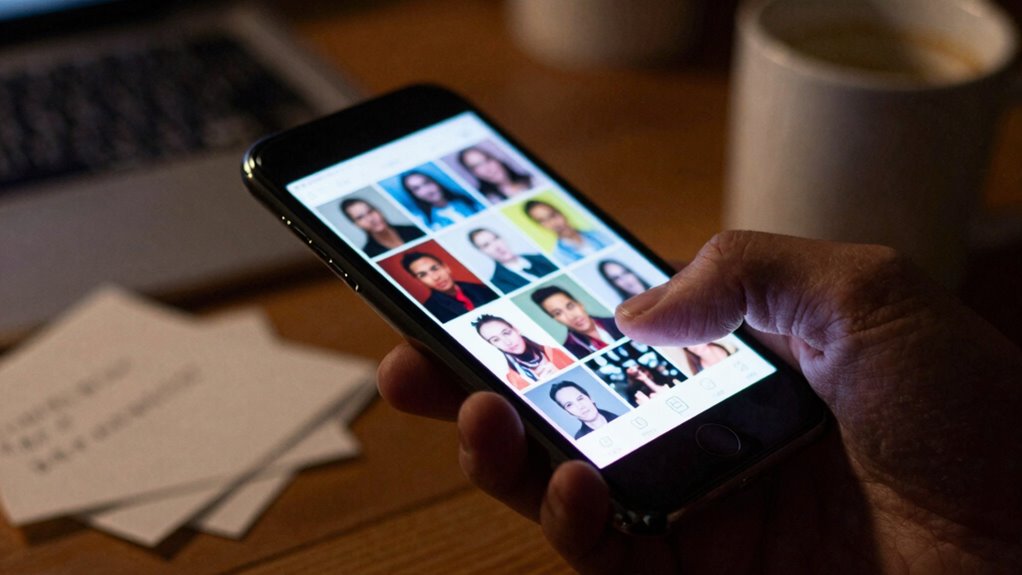

Endless swiping drains your mental energy and can leave you feeling fatigued and cynical about love. It makes decision-making harder, causing hesitation and FOMO, while diminishing your confidence as you compare yourself to countless profiles. The environment fosters superficiality and detachment, turning relationships into commodities. Over time, it shifts your mindset toward viewing matches as transactions rather than meaningful connections. Keep going, and you’ll discover how these habits shape your outlook on love and intimacy.

Get privacy and security gear delivered free with Prime
- Fast, free delivery on millions of items
- Prime Video, Amazon Music and more included
- Member-only deals all year
Key Takeaways
- Endless swiping causes digital fatigue, decreasing excitement and increasing cynicism about love.
- The abundance of choices fosters hesitation, FOMO, and diminished emotional investment.
- Repeated exposure erodes confidence, linking self-worth to superficial traits and match counts.
- Platforms promote superficial perceptions, leading to detachment from genuine emotional connections.
- Viewing matches as commodities shifts focus from intimacy to selection, undermining authentic relationships.
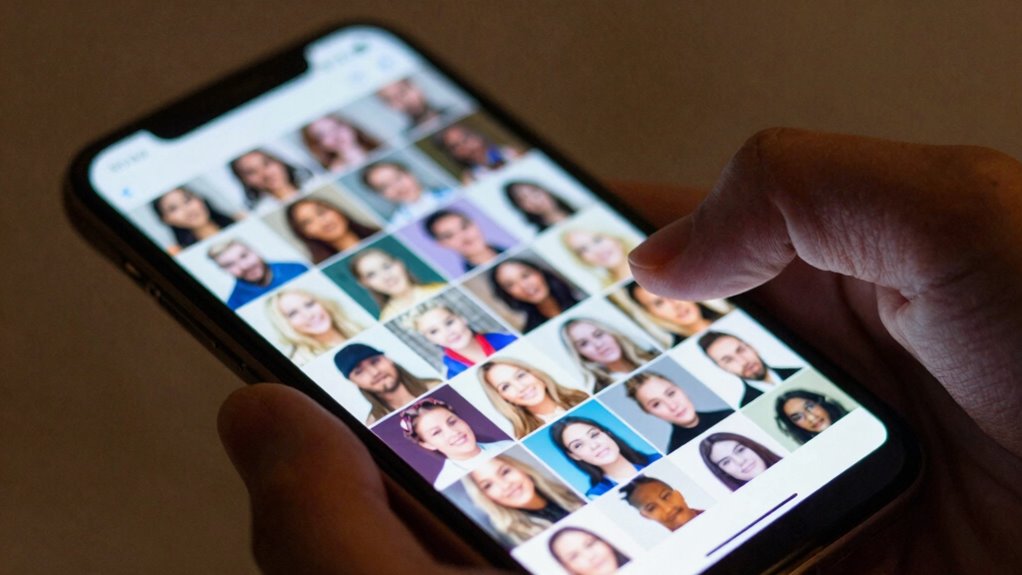
In today’s digital dating landscape, endless swiping can subtly reshape how you view relationships and your own worth. As you scroll through countless profiles, you might notice a growing sense of digital fatigue. The constant barrage of choices can drain your mental energy, making each swipe feel less meaningful and more like an obligation. Instead of feeling excited or hopeful about finding a genuine connection, you may start to feel overwhelmed or indifferent. This exhaustion from too much screen time and too many options chips away at your patience and optimism, quietly shifting your mindset towards cynicism or skepticism about love.
Choice overload plays a significant role in how you experience online dating. When faced with an abundance of options, your brain struggles to make decisions, often leading to hesitation or second-guessing. You might find yourself stuck in a cycle of endless browsing, convinced that there’s always someone better just a swipe away. This mindset fosters a fear of missing out, which can make you overly critical of potential matches or reluctant to commit. Instead of viewing each profile as a real possibility, you see them as just another choice among many, diminishing the emotional investment needed to build a genuine connection. Recognizing how decision fatigue impacts your ability to make meaningful choices can help you regain clarity and focus.
The more you swipe, the more your self-perception can take a hit. When scrolling becomes a routine, you might start to equate your worth with your attractiveness or how many matches you get. If your profile doesn’t garner enough attention, it’s easy to feel rejected or unworthy. Over time, this constant comparison can erode your confidence, making you doubt your desirability or the value you bring into a relationship. The digital environment amplifies this effect because it’s easy to forget that behind each profile is a real person with their own complexities, not just a potential match. Additionally, the digital environment often fosters a sense of detachment and superficiality, which can further distort your perceptions of connection and genuine intimacy. Recognizing that these platforms are designed to optimize engagement can help you understand why these feelings of superficiality develop, and how they influence your expectations.
Endless swiping also fosters a transactional view of dating. When choices are plentiful, you may begin to see matches as commodities to be traded or discarded, rather than individuals with feelings. This mindset can make it difficult to develop authentic connections, as you’re more focused on the next best option than on nurturing what’s in front of you. This attitude can lead to a superficial approach to relationships that undermines true emotional intimacy. As a result, you might feel less satisfied with your dating experiences, convinced that real chemistry is rare or fleeting. Becoming aware of these tendencies can help you shift toward a more mindful and respectful approach to online dating.
Ultimately, the cycle of digital fatigue and choice overload can distort your dating mindset, making it harder to approach relationships with patience, authenticity, and hope. Recognizing these effects is the first step toward healthier, more mindful online dating habits.
As an affiliate, we earn on qualifying purchases.
Frequently Asked Questions
How Does Endless Swiping Impact Long-Term Relationship Goals?
Endless swiping can make you doubt long-term commitment, fueling commitment anxiety as you constantly seek novelty. The thrill of new profiles triggers a novelty addiction, making it harder to focus on building genuine connections. Over time, you might prioritize fleeting excitement over meaningful relationships, which hampers your ability to develop lasting bonds. This mindset shift can leave you feeling indecisive and less willing to commit, undermining your long-term relationship goals.
Can Endless Swiping Lead to Decision Fatigue?
Like a never-ending carousel, endless swiping spins you into decision fatigue, where choice overload clouds your judgment. You start to feel emotionally exhausted, worn out from constantly evaluating options that never seem to satisfy. This relentless cycle drains your energy, making it harder to trust your instincts or commit. Instead of helping, it leaves you overwhelmed, craving clarity amidst the chaos of endless options.
Does Frequent Swiping Affect Self-Esteem Over Time?
Frequent swiping can negatively impact your self-esteem over time by causing self-esteem erosion, especially if you rely on matches and validation from others. As you seek constant affirmation, you may develop validation dependency, making your mood and confidence hinge on every new match or lack thereof. This cycle can distort your self-image, leading you to doubt yourself outside the app and feel less secure about your worth.
How Does Endless Swiping Influence Your Perception of Ideal Partners?
Endless swiping distorts your perception of ideal partners by creating unrealistic standards and fostering perception distortion. You might start believing that the perfect match is just a swipe away, which reduces your appreciation for genuine connections. Additionally, choice overload from too many options can make decisions overwhelming, leading you to doubt your preferences or settle for less. This cycle ultimately shifts your view of what an ideal partner truly is.
Is There a Psychological Difference Between Swiping and Traditional Dating?
Yes, there’s a psychological difference between swiping and traditional dating. When you swipe, your visual attention shifts quickly, often leading to decision overload, which can make you less attentive to meaningful cues. In traditional dating, you engage more deeply, allowing better assessment of compatibility. Swiping fosters rapid judgments, while traditional dating encourages thoughtful connection, affecting how you perceive potential partners and your overall dating mindset.
self-esteem boosting books for singles
As an affiliate, we earn on qualifying purchases.
As an affiliate, we earn on qualifying purchases.
Conclusion
Think of endless swiping as wandering through a vast, enchanted forest. At first, every new path feels exciting, but soon the trails blur together, and you forget what you’re truly searching for. The more you swipe, the more your confidence dims, and your sense of connection fades. To find your true match, you’ve got to step off the endless path, pause, and listen to your heart’s compass — that’s where real love begins.
emotional connection coaching courses
As an affiliate, we earn on qualifying purchases.
As an affiliate, we earn on qualifying purchases.
As an affiliate, we earn on qualifying purchases.
Halloween Picks
halloween
As an affiliate, we earn on qualifying purchases.