
As IoT devices expand, your privacy and security face significant risks. These devices collect personal and sensitive data, which can be intercepted or mishandled if not properly protected. Unsecured devices and networks make you vulnerable to hacking, identity theft, and data breaches. To stay safe, you need to understand privacy policies, change default passwords, and keep firmware updated. If you want to learn how to best protect yourself, there’s more you should consider.
Key Takeaways
- IoT devices collect sensitive personal and health data, risking privacy breaches if mishandled or intercepted.
- Rapid growth increases attack surfaces, making devices vulnerable to hacking, data breaches, and unauthorized access.
- Weak authentication, default passwords, and outdated firmware heighten security risks, requiring strong measures like multi-factor authentication.
- Data transmission over insecure networks can be intercepted, emphasizing the need for encrypted connections and secure network practices.
- Lack of awareness and poor security practices can compromise device privacy, underscoring the importance of regular updates and privacy policy reviews.
As the Internet of Things (IoT) continues to expand, it brings new convenience and efficiencies into our daily lives. Smart thermostats, wearable health devices, connected home security systems—all these innovations make life easier and more integrated. However, with this rapid growth comes considerable privacy and security challenges you need to understand. One of the most pressing issues is the risk of data breaches. When you connect multiple devices to the internet, each one creates a potential entry point for cybercriminals. If these devices aren’t properly secured, hackers can exploit vulnerabilities to access sensitive information, such as your personal habits, financial data, or health records. Data breaches can lead to identity theft, financial loss, or even targeted attacks that threaten your safety.
To mitigate these risks, strong device authentication is essential. Device authentication verifies that only authorized users and devices can access your IoT network, preventing unauthorized intrusions. Without robust authentication measures, malicious actors can impersonate your devices or intercept communications, gaining control over your connected environment. Implementing multi-factor authentication, strong passwords, and digital certificates helps guarantee that each device is legitimate and secure. It’s also imperative to keep your device firmware updated, as manufacturers often release patches that fix known vulnerabilities, closing potential backdoors hackers might exploit.
Furthermore, you should be cautious about the data your devices collect and transmit. Many IoT devices gather personal and behavioral information, which, if intercepted or mishandled, can compromise your privacy. Make sure you read privacy policies and understand what data is being stored and shared. Use secure networks, such as encrypted Wi-Fi connections, to protect data in transit. Avoid using default passwords or unsecured networks that make it easier for cybercriminals to break in.
Smart device manufacturers are increasingly recognizing these security concerns, but it’s still up to you to take proactive steps. Regularly changing passwords, enabling two-factor authentication where available, and disabling unnecessary features can greatly improve your security posture. Be vigilant about unusual device behavior or unexpected network activity, as these could indicate a breach. Staying informed about the latest security updates and best practices is vital in the evolving IoT landscape.
Ultimately, while IoT devices offer incredible benefits, they also demand a higher level of awareness and responsibility. By prioritizing device authentication and safeguarding your data, you can enjoy the convenience of connected technology without sacrificing your privacy or security. It’s about creating a balance—embracing innovation while protecting yourself from the growing cyber threats that come with it. Proper device maintenance and security practices are essential to ensuring your connected devices remain safe and functional over time.

WiFi Wireless Alarm System for Home Security – 24/7 Protection Smart Home Devices 4.3" Touch Screen, GSM/4G+WiFi, App Instant Alerts, No Monthly Fee, Alexa Compatible for Villa, Kids Safety (24 pcs)
𝐃𝐮𝐚𝐥 𝐖𝐢𝐅𝐢 + 𝟒𝐆 𝐒𝐞𝐜𝐮𝐫𝐢𝐭𝐲: Equipped with a 2.4GHz WiFi and 2G/4G connection (5G not supported), this home…
As an affiliate, we earn on qualifying purchases.
As an affiliate, we earn on qualifying purchases.
Frequently Asked Questions
How Can Consumers Protect Their Iot Devices From Hacking?
To protect your IoT devices from hacking, you should enable device encryption to secure your data. Always keep firmware updates current, as they patch security vulnerabilities. Change default passwords to strong, unique ones and disable unnecessary features. Regularly review device settings and connected networks. Using a separate Wi-Fi network for IoT devices adds an extra layer of security. These steps help safeguard your devices and personal information effectively.
What Are the Legal Rights Regarding Iot Data Collection?
Imagine your IoT data as a treasure chest; your legal rights guarantee you control what’s inside. You own your data, and laws often require companies to obtain your consent before collecting it. Consent management lets you decide what info to share. Legally, you can access, correct, or delete your data. Stay informed about your rights, and always review privacy policies to protect your data ownership.
How Does Iot Impact Workplace Privacy Policies?
You need to update your workplace privacy policies to address IoT impacts, especially regarding workplace surveillance and employee monitoring. IoT devices can collect data on your activities, making it vital to clearly communicate what’s monitored and how data is used. You should establish transparent guidelines, guarantee compliance with privacy laws, and balance operational needs with employee rights to prevent privacy infringements.
Are There Standards for Iot Security Across Manufacturers?
You might think there are universal standards for IoT security, but in reality, interoperability challenges and manufacturer accountability vary widely. While some organizations promote guidelines like ISO/IEC standards, many manufacturers lack strict security protocols, leading to inconsistent protections. This inconsistency makes it vital for you to scrutinize device security claims and push for clearer, enforceable standards to guarantee your data stays secure across all IoT devices.
What Future Threats Could Emerge From Iot Expansion?
As IoT expands, you could face future threats like AI vulnerabilities, where malicious actors exploit AI-driven devices, and data sovereignty issues, risking your data being subject to foreign laws or breaches. You might also encounter increased hacking risks, unauthorized device control, and privacy breaches. Staying vigilant, updating security protocols, and understanding data laws help you better protect your devices and personal information in this rapidly evolving landscape.
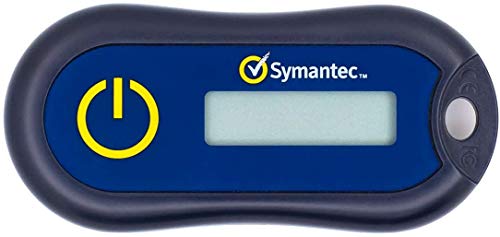
Symantec VIP Hardware Authenticator – OTP One Time Password Display Token – Two Factor Authentication – Time Based TOTP – Key Chain Size
Standard OATH compliant TOTP token (time based)
As an affiliate, we earn on qualifying purchases.
As an affiliate, we earn on qualifying purchases.
Conclusion
As IoT continues to grow, you might wonder if the convenience outweighs the risks. Staying informed and practicing good security habits can help protect your privacy in this connected world. Are you ready to take control and guarantee your data stays safe? Remember, the future of IoT depends on how responsible we are today. By being proactive, you can enjoy the benefits without sacrificing your security or privacy.

TP-Link AX1800 WiFi 6 Router (Archer AX21) – Dual Band Wireless Internet, Gigabit, Easy Mesh, Works with Alexa – A Certified for Humans Device, Free Expert Support
DUAL-BAND WIFI 6 ROUTER: Wi-Fi 6(802.11ax) technology achieves faster speeds, greater capacity and reduced network congestion compared to…
As an affiliate, we earn on qualifying purchases.
As an affiliate, we earn on qualifying purchases.

Internet Of Things Projects : Build Connected Devices for a Smarter Future (Tech-Powered Business)
As an affiliate, we earn on qualifying purchases.
As an affiliate, we earn on qualifying purchases.