
TL;DR

Get privacy and security gear delivered free with Prime
- Fast, free delivery on millions of items
- Prime Video, Amazon Music and more included
- Member-only deals all year
A new inspector general report finds that Secret Service agents’ insecure mobile device practices have left sensitive information vulnerable to hacking, endangering US officials. The findings revive concerns over agency security, especially after a recent assassination attempt in Butler, Pennsylvania.
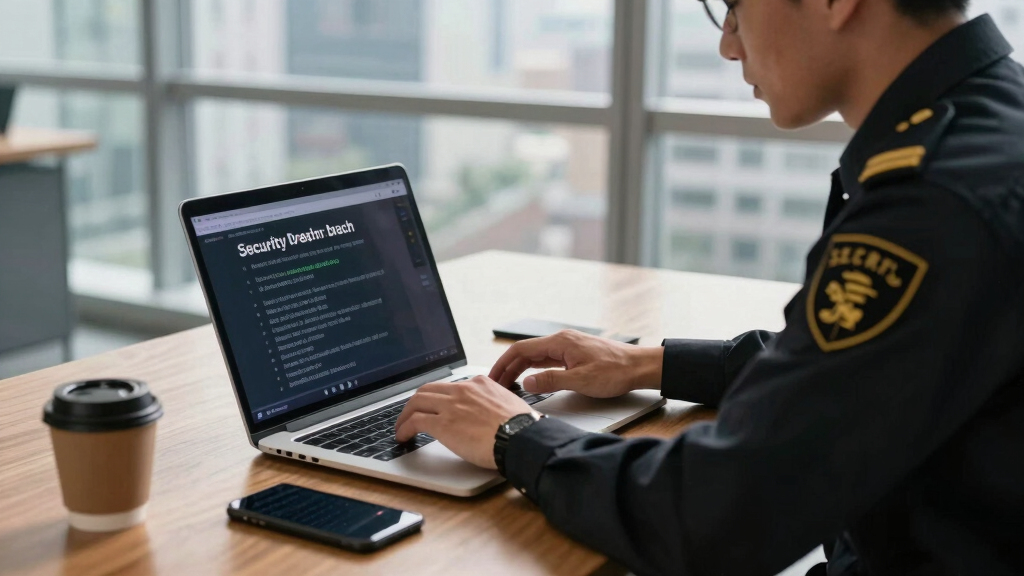
An inspector general report released Thursday has confirmed that poor cybersecurity practices by Secret Service agents have left their mobile devices vulnerable to hacking, potentially endangering US officials and protectees. The findings highlight longstanding security lapses and revive concerns about the agency’s ability to safeguard sensitive information, especially following a recent assassination attempt in Butler, Pennsylvania.
The Department of Homeland Security inspector general’s report states that Secret Service personnel often used personal phones instead of secure government devices during protective missions, exposing mission-related data such as contacts, geolocation, and photos to potential interception by foreign adversaries. The report emphasizes that hackers could exploit these vulnerabilities to plan attacks against protectees or Secret Service employees.
Additionally, the investigation found the agency failed to wipe employees’ phones after international travel and lacked policies for testing software before deployment on devices. These lapses contributed to security vulnerabilities during the July 13, 2024, incident in Butler, where a would-be assassin, Thomas Crooks, was able to operate undetected despite law enforcement efforts. The report notes that a Secret Service employee used a personal device to receive critical information due to reliability issues with government phones.
In response, the Secret Service stated it has begun implementing enhanced communication protocols and security measures, though it declined to comment further on specific findings. The agency manages approximately 8,000 mobile devices that provide access to sensitive systems, raising concerns about the potential impact of breaches or hacking incidents.
Implications of Security Lapses for US National Safety
The report’s findings underscore significant vulnerabilities in the Secret Service’s cybersecurity, which could be exploited by foreign adversaries or malicious actors to gather intelligence, disrupt operations, or even target high-profile protectees. The risks are heightened given recent incidents where communication failures contributed to security breaches, including the Butler assassination attempt. These vulnerabilities threaten not only individual safety but also national security, especially as adversaries increasingly leverage cyber tools for espionage and sabotage.
secure mobile device for government officials
As an affiliate, we earn on qualifying purchases.
As an affiliate, we earn on qualifying purchases.
Historical and Recent Security Challenges at the Secret Service
The Secret Service has faced ongoing security challenges, notably during the 2024 Butler rally, where communication failures and inadequate technological safeguards contributed to a thwarted assassination attempt on President Trump. The incident exposed vulnerabilities in the agency’s operational security, particularly around mobile communications and coordination among law enforcement agencies. Past concerns about agency cybersecurity have also included reports of agents using insecure devices and lacking proper protocols, which this new IG report confirms as still unresolved issues.
“The vulnerabilities in the Secret Service’s mobile device practices significantly increase the risk of compromise, which could have severe consequences for national security.”
— an anonymous researcher
encrypted smartphone for sensitive communication
As an affiliate, we earn on qualifying purchases.
As an affiliate, we earn on qualifying purchases.
Unresolved Questions About Implementation and Future Security Measures
It is not yet clear how quickly the Secret Service will fully implement the recommended security improvements or whether these measures will effectively eliminate the vulnerabilities. Details about specific policies, timelines, and whether additional breaches have occurred remain undisclosed, and ongoing investigations may reveal further security gaps.
As an affiliate, we earn on qualifying purchases.
Next Steps in Securing Secret Service Communications
The Secret Service is expected to finalize and deploy enhanced cybersecurity protocols, including device management policies and software testing procedures, in the coming months. Congressional oversight and further audits are likely to scrutinize the agency’s progress, and additional incidents or breaches could prompt more immediate action. The agency also faces pressure to improve international communication security, especially during overseas operations.
government-grade mobile security solutions
As an affiliate, we earn on qualifying purchases.
As an affiliate, we earn on qualifying purchases.
Key Questions
What specific security failures did the inspector general identify?
The report highlights the use of personal phones for official communications, failure to wipe devices after international travel, and the lack of policies for testing software before deployment, all of which increased vulnerability to hacking.
Could these cybersecurity issues lead to actual attacks on US officials?
While no attacks have been directly linked to these vulnerabilities yet, experts warn that hackers could exploit these weaknesses to gather intelligence or plan attacks, especially given past incidents involving foreign adversaries.
What actions is the Secret Service taking to address these problems?
The agency has announced it is implementing new communication protocols, enhancing device security, and deploying additional protections for agents and protectees, though full effectiveness remains to be seen.
Are other agencies facing similar cybersecurity issues?
Yes, cybersecurity vulnerabilities involving mobile devices are common across many government agencies, but the Secret Service’s high-profile role makes these specific issues particularly concerning.
When will we see improvements in Secret Service cybersecurity?
The agency plans to complete new security measures within the next few months, but ongoing oversight and audits will determine the actual timeline and effectiveness of these efforts.
Source: Google Trends
Halloween Picks
halloween
As an affiliate, we earn on qualifying purchases.