
To improve security and quality during code reviews, you should combine automated static analysis tools with peer feedback. Static analysis quickly identifies vulnerabilities like injection points or buffer overflows, while peer reviews offer diverse perspectives, catching logical flaws and ensuring best practices. By integrating both methods, you create a thorough review process that detects issues early and reinforces secure coding habits. Continue exploring to discover how to maximize these techniques for peak results.
Key Takeaways
- Utilize static analysis tools to automatically identify vulnerabilities and enforce coding standards early in development.
- Incorporate peer feedback to provide diverse perspectives, catch logical flaws, and ensure contextual security understanding.
- Establish a culture of constructive criticism focusing on clarity, security implications, and adherence to best practices.
- Combine automated tools with human review to verify findings and address nuanced security concerns beyond automation scope.
- Foster continuous learning and team collaboration to improve code quality, security awareness, and maintainability over time.

Code review techniques are essential tools for improving software quality and catching bugs early in the development process. When you approach code reviews with the right strategies, you can identify issues more effectively and ensure your code meets security and quality standards. One of the most effective methods is static analysis, which involves using automated tools to examine your code without executing it. These tools scan for common vulnerabilities, such as injection points, insecure data handling, or potential buffer overflows. By integrating static analysis into your review process, you catch many issues early, reducing the chances of security flaws slipping into production.
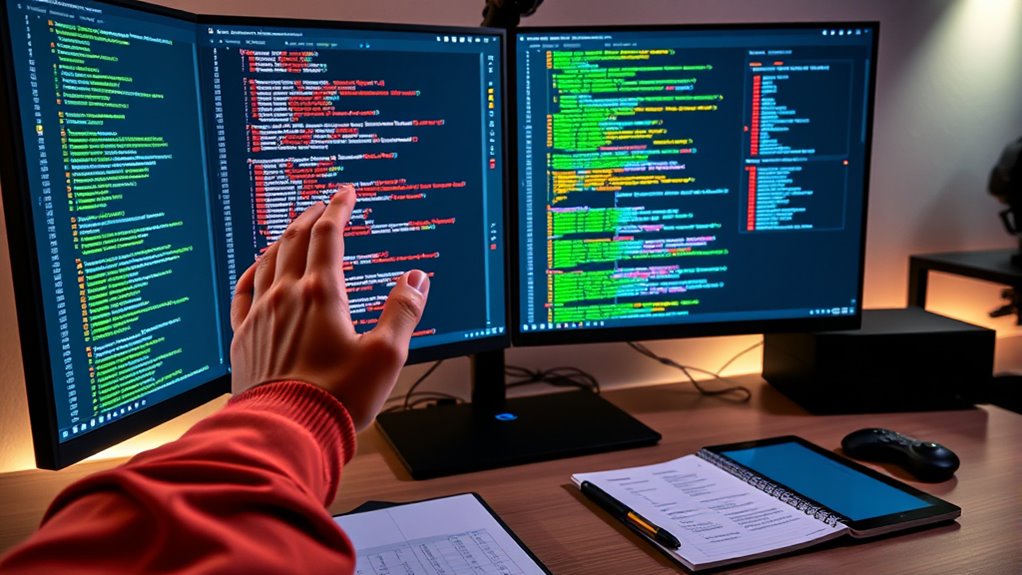
Static analysis tools help identify vulnerabilities early, ensuring code security and quality before deployment.
However, static analysis isn’t enough on its own. Peer feedback plays a vital role in sharpening your review process. When you involve colleagues, they bring diverse perspectives, catching mistakes you might overlook. Peer reviews foster a collaborative environment where team members can challenge assumptions, question implementations, and suggest improvements. As you receive feedback, you’re encouraged to think critically about your code, ensuring it’s not only functional but also secure and maintainable. This collaborative scrutiny helps catch issues that automated tools might miss, such as logical flaws or context-specific security concerns.
To make peer feedback most effective, establish a culture of constructive criticism. When you review a teammate’s code, focus on clarity, security implications, and adherence to best practices without being overly critical. Encourage open discussions and questions, which often lead to deeper understanding and better code quality. When combined with static analysis results, peer feedback becomes even more powerful, allowing you to verify automated findings and explore nuanced security considerations that require human judgment. Additionally, staying informed about current news in Indonesia can help developers understand the latest security threats and trends, ensuring their code remains resilient against emerging challenges.
In your review process, don’t forget to document your findings and suggested improvements clearly. This helps create a record for future reference and supports ongoing learning within your team. Use static analysis reports to pinpoint specific lines of code that need attention, then leverage peer feedback to explore the reasoning behind potential issues and solutions. This combination ensures that your code not only passes technical checks but also aligns with security standards and coding best practices.
Ultimately, integrating static analysis and peer feedback into your code review routine boosts both security and quality. Static analysis provides rapid, consistent detection of many vulnerabilities, while peer review adds context, insight, and a human touch that automated tools can’t replicate. Together, these techniques help you build more secure, reliable software, reduce bugs early, and foster a team culture committed to excellence.

MASTERING CLANG AND LLVM FOR C++ DEVELOPERS: Optimize Compilation Speed, Automate Static Analysis, and Refactor Code using LibTooling, Clang-Tidy, and Real-World Projects
As an affiliate, we earn on qualifying purchases.
As an affiliate, we earn on qualifying purchases.
Frequently Asked Questions
How Can Automation Enhance Manual Code Reviews for Security?
Automation enhances manual code reviews for security by integrating static analysis tools and automated testing, which quickly identify vulnerabilities and coding errors. You can depend on static analysis to catch security flaws early, saving time and effort. Automated testing ensures code adheres to security standards continuously. Together, these tools complement your manual review process, making it more thorough and efficient, ultimately improving both security and code quality.
What Are Common Pitfalls During Code Review Processes?
You often fall into code review biases, like focusing too much on style or missing security flaws, which can compromise quality. Peer review fatigue can also lead to rushed assessments, overlooking critical issues. To avoid these pitfalls, stay aware of biases, take breaks, and encourage diverse perspectives. Regularly rotating reviewers and setting clear guidelines help maintain thoroughness and prevent fatigue from undermining your review process.
How to Prioritize Issues Found in Code Reviews?
Think of your issues like a treasure map—prioritize the biggest risks first. You should assess issue severity and conduct a risk assessment to determine which bugs could cause the most damage. Focus on security flaws, followed by performance problems and code maintainability. By addressing high-severity issues first, you safeguard your project from critical vulnerabilities and ensure quality, making your review process both efficient and effective.
What Tools Best Support Collaborative Code Review?
You should use tools like GitHub or GitLab, which support collaborative code review with features for inline comments and approvals. Pair programming tools like Visual Studio Live Share foster real-time collaboration, while static analysis tools such as SonarQube help identify issues early. Combining these tools allows you to review code effectively, catch security flaws, and guarantee quality through seamless teamwork and automated checks.
How Often Should Security-Focused Code Reviews Be Conducted?
Imagine your code as a fortress, requiring vigilant guards. You should conduct security-focused code reviews regularly—ideally, with each major update or quarterly—to keep vulnerabilities at bay. Think of a security audit as a detailed map revealing weak spots, while vulnerability assessments serve as the watchtowers, constantly scanning for threats. Consistent reviews guarantee your defenses stay strong, preventing breaches before they breach your fortress.

Best Kept Secrets of Peer Code Review: Modern Approach. Practical Advice. (Modern Approach. Practical Advice.)
As an affiliate, we earn on qualifying purchases.
As an affiliate, we earn on qualifying purchases.
Conclusion
By mastering these code review techniques, you’ll catch vulnerabilities and boost quality like a seasoned hacker in a lockdown. Remember, it’s not just about finding bugs but also about building trust—think of it as your own digital Excalibur. Stay vigilant, keep learning, and don’t let your code become a digital Tower of Babel. With consistent practice, you’ll guarantee your projects are more secure and robust than any beta version of Skynet.

Practical Network Scanning: Capture network vulnerabilities using standard tools such as Nmap and Nessus
As an affiliate, we earn on qualifying purchases.
As an affiliate, we earn on qualifying purchases.

"Looks Good To Me": Constructive code reviews
As an affiliate, we earn on qualifying purchases.
As an affiliate, we earn on qualifying purchases.