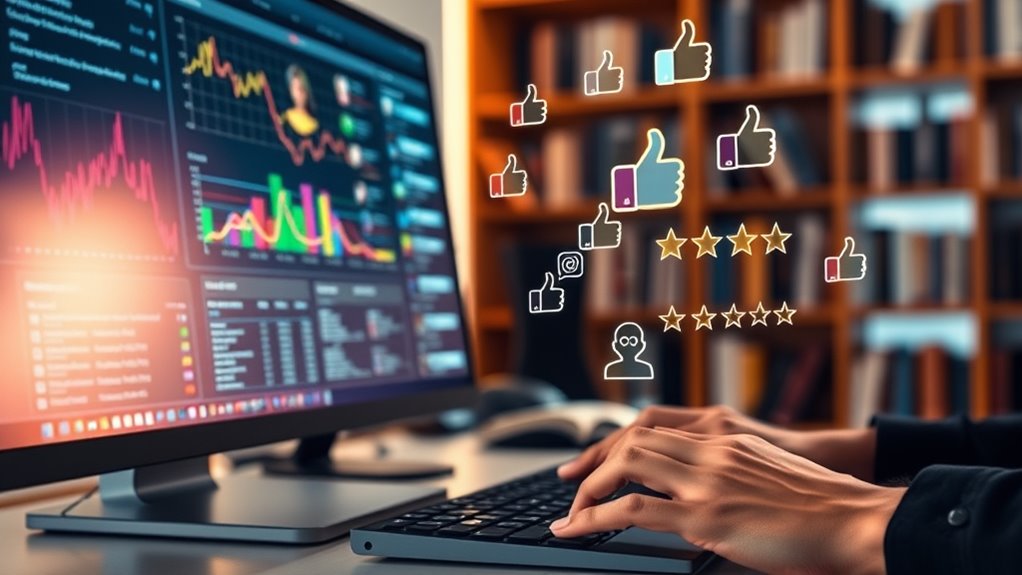

Recommender systems analyze your past interactions, like what you watch, listen to, or like, to understand your preferences. They use personalization algorithms to find patterns and similarities between users, then suggest content enjoyed by others with similar tastes. These systems also model your behavior, updating predictions in real-time as you interact. This continuous process keeps recommendations relevant and engaging. If you want to discover how these algorithms work behind the scenes, keep exploring the details.

Get privacy and security gear delivered free with Prime
- Fast, free delivery on millions of items
- Prime Video, Amazon Music and more included
- Member-only deals all year
Key Takeaways
- Recommender systems analyze user interactions like views and likes to predict future content preferences.
- They categorize content to organize data and improve recommendation accuracy.
- Personalization algorithms identify user patterns and similarities with others to suggest relevant content.
- User behavior modeling builds detailed profiles based on activity to tailor recommendations.
- Combining real-time data and algorithms, they update suggestions continuously for a more engaging experience.
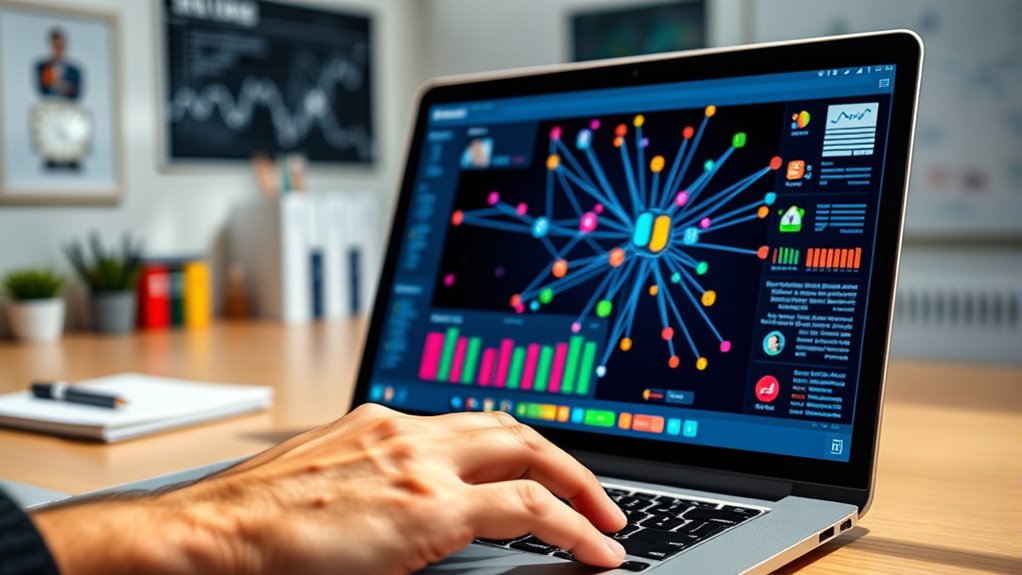
Have you ever wondered how streaming platforms suggest just the movies or songs you’re likely to enjoy? It all comes down to the magic of recommender systems, which use sophisticated tools like personalization algorithms and user behavior modeling to tailor content to your tastes. These systems analyze your past interactions—what you watch, listen to, or like—and then predict what you might enjoy next. This process isn’t random; it’s a carefully crafted method designed to keep you engaged and satisfied with the platform. For example, understanding the importance of content categorization helps these systems organize vast amounts of data to improve recommendations.
Personalization algorithms are at the heart of this process. They sift through vast amounts of data to identify patterns and similarities between users. For example, if you often watch action movies with a certain actor, the system notes this pattern. It then compares your preferences to those of other users who share similar tastes. By doing this, the algorithm can recommend new movies or songs that people with your preferences have enjoyed, increasing the likelihood that you’ll find something you like. The algorithms are constantly evolving, learning from your interactions and refining their predictions to make recommendations more accurate over time.
Personalization algorithms analyze patterns to recommend content aligned with your preferences.
User behavior modeling plays a vital role in making these recommendations relevant. It involves creating a detailed profile of your preferences based on your activity. Every click, watch, pause, or skip provides valuable data. If you frequently listen to a specific genre or artist, the system recognizes this as a strong indicator of your taste. Likewise, if you tend to binge-watch a series or prefer short clips, the system adapts its suggestions accordingly. This modeling helps the platform understand not just what you like, but also how you prefer to consume content, making the recommendations feel more personalized and less generic.
The real power of recommender systems lies in their ability to combine these two approaches—personalization algorithms and user behavior modeling—to create a seamless experience. They work in real time, continuously updating their understanding of your preferences and adjusting recommendations as you interact with the platform. This dynamic process ensures that the content you see is not only relevant but also fresh and engaging, encouraging you to spend more time using the service. Ultimately, these systems are designed to make your digital experience smoother and more enjoyable, all while helping platforms keep you hooked by offering exactly what you’re likely to enjoy next.
personalized streaming media player
As an affiliate, we earn on qualifying purchases.
As an affiliate, we earn on qualifying purchases.
Frequently Asked Questions
How Do Recommender Systems Handle New or Cold-Start Users?
When you’re a new or cold-start user, recommender systems rely on onboarding strategies to gather initial data. They create basic user profiles through questions, preferences, or demographic info, helping personalize suggestions early on. As you interact more, these systems refine your profile, improving recommendations. This approach guarantees you get relevant content quickly, even without prior history, making the experience more engaging from the start.
What Are the Privacy Concerns Associated With Recommender Systems?
You’re walking a tightrope when it comes to data privacy with recommender systems. They gather tons of user profiling data, raising concerns about how your information is stored and used. If you’re not careful, your privacy could be compromised, and your personal details might end up in the wrong hands. It’s essential to understand that while these systems enhance experiences, they also pose risks that require careful management to protect your privacy.
How Do Different Algorithms Compare in Accuracy and Efficiency?
You want to know how different algorithms compare in accuracy and efficiency. Generally, collaborative filtering offers high accuracy but can be slow with large datasets, affecting computational efficiency. Content-based algorithms are faster but may be less precise. Hybrid methods balance both, providing good accuracy while maintaining efficiency. Your choice depends on your needs: prioritize accuracy or speed. Testing and tuning algorithms help optimize their performance for your specific application.
Can Recommender Systems Be Biased or Unfair?
You should know that recommender systems can be biased or unfair due to algorithm bias and fairness challenges. These issues arise when algorithms unintentionally favor certain groups or preferences, leading to unfair recommendations. You might notice that some users get less diverse content, or certain products are promoted over others unfairly. Addressing these biases requires careful design, ongoing monitoring, and implementing fairness measures to guarantee equitable and unbiased recommendations for everyone.
What Are the Future Trends in Recommender System Technology?
You’ll see future trends in recommender system technology focus on enhancing personalization strategies to boost user engagement. Expect more sophisticated algorithms that adapt in real-time, incorporating AI and machine learning to better understand your preferences. These advancements will make recommendations more relevant, fair, and transparent. As a user, you’ll benefit from more tailored experiences, with systems continually evolving to meet your needs and keep you engaged across various platforms.
recommendation algorithm software
As an affiliate, we earn on qualifying purchases.
As an affiliate, we earn on qualifying purchases.
Conclusion
Imagine walking through a busy marketplace, where every stall is tailored to your tastes and desires. That’s what recommender systems do—they paint a vivid picture of your preferences, guiding you effortlessly to what you’ll love next. With each interaction, they sharpen their focus, like a painter refining their masterpiece. So, next time you find that perfect movie or product, remember, it’s the invisible hand of the recommender system working behind the scenes, making your experience seamless and personalized.
As an affiliate, we earn on qualifying purchases.
As an affiliate, we earn on qualifying purchases.
Halloween Picks
halloween
As an affiliate, we earn on qualifying purchases.