

Multi-modal AI combines text, images, and sound to mimic human perception and understanding. It processes multiple data types simultaneously, allowing you to analyze complex information like social media content or conversations with richer context. By integrating these inputs through techniques like cross-modal learning and attention mechanisms, this technology creates a more holistic view. If you keep exploring, you’ll uncover how these innovations are shaping smarter, more intuitive AI systems for the future.
Key Takeaways
- Multi-modal AI processes and integrates text, images, and sound to mimic human perception and understanding.
- It uses techniques like cross modal learning and joint embedding spaces to align diverse data types.
- Multi sensory integration enhances AI’s ability to analyze complex patterns across different data streams.
- Applications include content analysis, sentiment detection, and more natural human-AI interactions.
- Advances in sensors and algorithms enable AI to interpret real-world environments holistically.

Multi-Modal AI refers to systems that can process and understand multiple types of data simultaneously, such as text, images, and audio. This capability allows these systems to analyze diverse data streams and combine insights in ways that mirror human perception. When you work with Multi-Modal AI, you’re engaging with technology that doesn’t just interpret one type of input but integrates various sensory signals to form a cohesive understanding. This process hinges on concepts like cross modal learning, which enables the system to transfer knowledge from one modality to another, and multi sensory integration, where different data types are combined to enhance comprehension. By leveraging these techniques, Multi-Modal AI can recognize complex patterns and relationships across different data forms, making its insights more accurate and context-aware.
Imagine you’re designing an AI system to analyze social media content. Instead of just reading text, the system also examines images and sounds, such as videos or voice clips. To do this effectively, it must engage in cross modal learning — understanding how visual cues relate to spoken words or textual descriptions. For instance, if an image shows a beach, and the accompanying caption mentions “sunset,” the system correlates these cues to confirm the scene’s context. This cross modal approach helps the AI develop a richer understanding, similar to how humans associate sights, sounds, and words seamlessly. The system performs multi sensory integration by fusing visual data with auditory signals, creating a holistic perspective that enhances accuracy in tasks like sentiment analysis or content moderation. Additionally, advancements in hardware and sensors enable more sophisticated data collection, further empowering Multi-Modal AI systems to interpret the world more effectively.
Your challenge is to develop AI that can navigate and interpret the world as humans do — by combining inputs from multiple senses. Multi-modal systems excel at this because they aren’t limited to a single data stream. They can, for example, listen to someone speaking while also analyzing their facial expressions and gestures. This multi sensory integration allows the AI to grasp the full meaning behind communication, even when individual cues are ambiguous or incomplete. As a result, it can respond more naturally or make better decisions based on complex, multi-faceted information. Achieving this requires sophisticated algorithms capable of aligning data from different modalities, often through joint embedding spaces or attention mechanisms. These methods enable the AI to weigh the importance of each input, fostering seamless cross modal learning and a more holistic understanding.
In essence, Multi-Modal AI isn’t just about processing multiple data types; it’s about creating systems that learn and adapt across modalities, enriching their perception and reasoning. This integration transforms AI from simple pattern recognition into a more human-like comprehension of our multifaceted world. Whether for better virtual assistants, more intuitive robots, or advanced content analysis, the future of AI hinges on its ability to blend sensory information effectively. As you explore this field, remember that the key lies in mastering cross modal learning and multi sensory integration to unlock AI’s full potential.

Yahboom K210 Developer Kit with AI Vision RISC-V Face Recognition Camera Robot Development Board Expansion Board The Beginning of Visual Development
K210 developer kit adopts RISC-V processing architecture, a mini full-featured development board kit designed for machine vision and…
As an affiliate, we earn on qualifying purchases.
As an affiliate, we earn on qualifying purchases.
Frequently Asked Questions
How Does Multi-Modal AI Handle Conflicting Information Across Modalities?
When faced with conflicting information across modalities, you rely on conflict resolution techniques to prioritize data sources based on reliability and context. Multi-modal AI identifies data inconsistency by analyzing discrepancies and weighing evidence from each modality. It then synthesizes the information, resolving conflicts to produce a coherent output. This process guarantees that the AI maintains accuracy and consistency, even when different data types present contradictory details.
What Are the Biggest Ethical Concerns With Multi-Modal AI?
You should be aware that ethical concerns with multi-modal AI include privacy concerns, as these systems process sensitive data from various sources, raising risks of misuse or leaks. Bias mitigation is also vital, because AI might reinforce stereotypes or unfair treatment if trained on biased data. Ensuring transparency, accountability, and respecting user privacy helps address these concerns, making the technology safer and more equitable for everyone.
How Is Multi-Modal AI Applied in Real-World Industries?
Imagine transforming industries like healthcare, entertainment, and retail overnight—that’s what multi-modal AI does. You see it in action through cross modal retrieval, where you find images from text descriptions, and multimodal fusion, blending sound, images, and text seamlessly. Companies use this to improve diagnostics, create immersive experiences, and personalize shopping. It’s revolutionizing how data from different modalities interacts, making processes smarter, faster, and more intuitive for you.
What Are the Challenges in Training Multi-Modal AI Systems?
You face challenges in training multi-modal AI systems, mainly due to the need for extensive data annotation across diverse data types. Ensuring accurate labels for text, images, and sound is complex and time-consuming. Additionally, achieving good model generalization is tough, as the AI must effectively understand and integrate different modalities. These hurdles can slow development and impact the system’s performance across varied real-world scenarios.
How Does Multi-Modal AI Improve User Experience Compared to Single-Modal Systems?
Imagine chatting with a virtual assistant that not only hears you but also sees your mood through images or sounds. Multi-modal AI enhances user experience by providing more natural, engaging interactions. It offers improved contextual understanding, making responses more accurate and personalized. This creates a seamless experience, much like talking to a friend who truly gets you, increasing engagement and satisfaction in ways single-modal systems can’t match.

Icstation DIY Light Sensor Sound Module, Type-C USB Recordable Sound Chip 8M Memory Speaker Talking Programmable Music Player Box for Christmas Greeting Card Anniversary
【DIY Greeting Card】DIY light sensor sound module is equipped with a 0.5W speaker and a 3.7V battery. The…
As an affiliate, we earn on qualifying purchases.
As an affiliate, we earn on qualifying purchases.
Conclusion
Think of multi-modal AI as a symphony conductor, blending different instruments—text, images, and sound—to create a harmonious experience. By integrating these modalities, you’re enabling a richer, more intuitive way to interact with technology. This fusion transforms simple notes into a mesmerizing melody, making AI more responsive and human-like. Embrace multi-modal AI, and you’ll discover a world where machines understand you better, like a trusted friend who truly hears and sees you.

Effective Literacy Assessment in the Montessori Classroom: Using Data to Inform Instruction
As an affiliate, we earn on qualifying purchases.
As an affiliate, we earn on qualifying purchases.
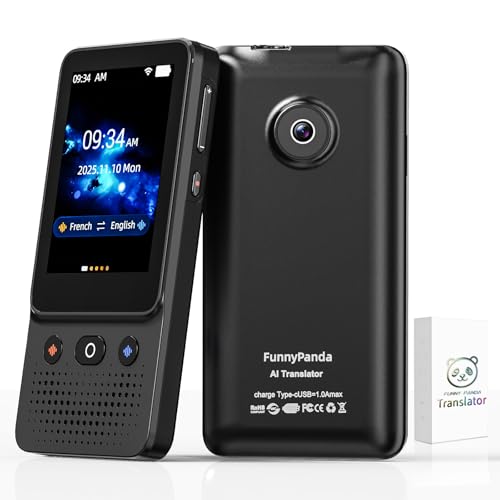
Language Translator Device, Voice Ai Translator Device T21 Wi-Fi Available, Two-Way 138 Languages 2025 Instant Translator Offline Recording Photo Translation Device for Business Travel Study
【Ai Language Translator Device for All Languages Supporting 138 Languages】Our spanish translator device T21 adopts the latest technology…
As an affiliate, we earn on qualifying purchases.
As an affiliate, we earn on qualifying purchases.