
To implement Zero Trust with continuous authentication, you must start by establishing strict identity verification for every user, device, and application, regardless of location. Use multi-factor authentication and ongoing session monitoring to verify identities in real-time, reacting quickly to any anomalies. Automate access controls with AI-driven insights and adapt security policies based on behavior. This layered, proactive approach minimizes trust assumptions and enhances your security posture—continue exploring to learn how to fully secure your organization.
Key Takeaways
- Establish strict identity verification procedures using multi-factor authentication for all access points.
- Continuously monitor user behavior and session activity to detect anomalies or suspicious actions.
- Implement dynamic, risk-based access controls that adapt based on real-time assessments.
- Automate policy enforcement and threat response with AI-driven analytics for rapid security adjustments.
- Maintain an ongoing cycle of verification, monitoring, and policy updates to strengthen security posture.

Implementing Zero Trust is vital in today’s cybersecurity landscape, where traditional perimeter defenses no longer suffice. You can’t rely solely on firewalls or VPNs to protect your systems anymore because threats have become more sophisticated and pervasive. Instead, Zero Trust shifts the focus inward, emphasizing that no one should be trusted by default, whether inside or outside your network. This approach demands robust access controls that continuously verify identities before granting access to resources. You need to implement strict policies that treat every user, device, and application as a potential threat until verified. Access controls become dynamic, not static; you monitor and adjust permissions based on real-time risk assessments, reducing the chance of unauthorized access.
Zero Trust requires continuous verification and dynamic access controls to protect against evolving cyber threats.
Identity verification plays a vital role in this environment. You’re required to authenticate users with multiple factors—something they know (password), something they have (security token), or something they are (biometric). But verification doesn’t end at login. Continuous authentication ensures that the user remains verified throughout their session. For example, if a user suddenly accesses sensitive data from an unusual location or device, the system should prompt for additional verification or restrict access. This ongoing process prevents lateral movement within your network, making it harder for attackers to exploit compromised credentials or devices once inside.
To effectively implement Zero Trust, you need a layered approach to access controls. Start by establishing strict identity verification procedures for all users and devices trying to connect. This includes multi-factor authentication, device health checks, and risk-based access decisions. Once access is granted, you don’t just assume the user is safe; you continuously monitor their behavior and session activity. If anomalies are detected—like abnormal data transfers or access during odd hours—the system should automatically revoke access or require re-authentication. This proactive stance minimizes the window of opportunity for malicious actors. Additionally, understanding the importance of fuel injection cleaning, which enhances engine performance, can be an analogy for how continuous verification optimizes security efficiency.
Furthermore, you should leverage automation and AI-driven analytics to enhance your access controls and continuous authentication efforts. These tools provide real-time insights, flag suspicious activities, and enforce policies without manual intervention. This ensures your security posture adapts quickly to emerging threats. Remember, implementing Zero Trust isn’t a one-time setup but an ongoing process of refining policies, updating authentication methods, and monitoring user activity. By prioritizing strict access controls and rigorous identity verification, you create a resilient environment where security isn’t compromised by assumptions of trust. Instead, you foster a culture of verification and vigilance, safeguarding your digital assets effectively in today’s complex threat landscape.
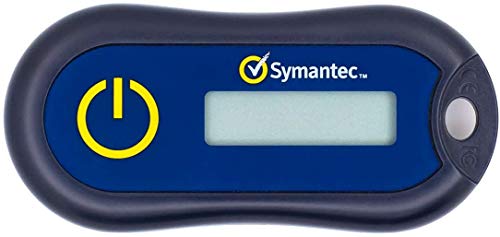
Symantec VIP Hardware Authenticator – OTP One Time Password Display Token – Two Factor Authentication – Time Based TOTP – Key Chain Size
- OATH Compliant TOTP Token: Standard time-based OTP
- 6-Digit OTP with Countdown: Displays OTP with timer
- No Software Needed: Zero installation required
As an affiliate, we earn on qualifying purchases.
As an affiliate, we earn on qualifying purchases.
Frequently Asked Questions
How Does Continuous Authentication Differ From Traditional Login Methods?
Continuous authentication differs from traditional login methods by providing adaptive access through ongoing verification. Instead of just checking your identity once at login, it continuously assesses risk based on your behavior and device. This risk-based verification guarantees you stay authenticated only when your activity appears legitimate, reducing the chance of unauthorized access. You stay protected without repeated logins, making security seamless and dynamic, unlike static, one-time authentication.
What Are Common Challenges When Adopting Zero Trust Architecture?
You might face unexpected hurdles when adopting Zero Trust, like ensuring effective network segmentation that doesn’t hamper productivity. Insider threats add complexity, requiring constant monitoring and adaptive policies. Balancing security with user experience can be tricky, and legacy systems may resist integration. These challenges demand careful planning, but overcoming them is essential to creating a resilient, secure environment where threats are minimized and access is precisely controlled.
How Can Small Businesses Implement Zero Trust Effectively?
You can implement zero trust effectively by starting with multi-factor authentication for all access points, ensuring only authorized users get in. Next, focus on network segmentation to limit access and contain potential breaches. Regularly review your security policies, educate your team on best practices, and leverage simple tools that fit your business size. These steps help you create a strong, manageable zero trust environment tailored to your needs.
What Tools Support Real-Time Continuous Authentication?
You can support real-time continuous authentication with tools that leverage behavioral analytics and biometric verification. These tools monitor user behavior patterns, detecting anomalies instantly, and use biometric data like fingerprints or facial recognition for quick verification. Solutions like Duo Security, Okta, or Microsoft Azure AD provide these features, enabling you to continuously authenticate users without disrupting their workflow, consequently maintaining security while enhancing user experience.
How Does Zero Trust Impact User Experience and Productivity?
Zero Trust can initially cause user inconvenience due to increased access restrictions, but it ultimately enhances security without substantially hampering productivity. By continuously authenticating users, you experience fewer security breaches, reducing downtime and disruptions. While some may find the access checks cumbersome, proper implementation streamlines workflows. Over time, you benefit from a safer environment that balances security with minimal impact on user experience and productivity.
As an affiliate, we earn on qualifying purchases.
Conclusion
By adopting Zero Trust and continuous authentication, you’re substantially reducing your security risks. Studies show that organizations implementing Zero Trust see a 50% decrease in data breaches within the first year. This approach ensures you verify every user and device constantly, rather than trusting once. Embracing these strategies can safeguard your assets more effectively, keeping your systems resilient against evolving cyber threats. Don’t wait—start implementing Zero Trust today to protect what matters most.
As an affiliate, we earn on qualifying purchases.
continuous session monitoring software
As an affiliate, we earn on qualifying purchases.
As an affiliate, we earn on qualifying purchases.