

To effectively scan for code vulnerabilities, you should use a combination of tools like SAST, DAST, and SCA that analyze source code, evaluate running applications through simulated attacks, and review third-party dependencies. Integrating these tools into your CI/CD pipeline and following secure coding practices helps identify and fix issues early. Regular updates and layered security strategies improve your defenses against evolving threats—continue exploring to discover how these techniques can enhance your security approach.
Key Takeaways
- Utilize SAST, DAST, and SCA tools for comprehensive vulnerability detection throughout development and deployment.
- Integrate automated scanning into CI/CD pipelines for early identification and continuous security assessment.
- Prioritize vulnerabilities based on severity to optimize remediation efforts and enhance overall security posture.
- Combine automated scans with manual testing and penetration testing for thorough vulnerability evaluation.
- Regularly update and refine scanning tools and techniques to adapt to emerging threats and evolving codebases.

Code vulnerability scanning is a critical step in identifying security weaknesses within your software before they can be exploited. By proactively detecting vulnerabilities, you can patch issues early, reducing the risk of breaches and data loss. To do this effectively, you need to understand the significance of secure coding practices and vulnerability management strategies. Secure coding practices involve writing code with security in mind from the outset, making it harder for attackers to find and exploit flaws. Incorporating these practices into your development process helps minimize vulnerabilities and creates a strong foundation for your software’s security posture. Vulnerability management strategies, on the other hand, guide you through the ongoing process of identifying, prioritizing, and fixing security issues. Combining these strategies with robust vulnerability scanning tools ensures you stay ahead of potential threats.
Proactive code vulnerability scanning helps identify and fix security issues early, strengthening your software’s defenses against threats.
When choosing vulnerability scanning tools, it’s essential to look for options that support static application security testing (SAST), dynamic application security testing (DAST), and software composition analysis (SCA). SAST tools analyze your source code or binaries to uncover security flaws during development, encouraging secure coding practices from the beginning. DAST tools evaluate running applications, simulating attacks to identify vulnerabilities that can be exploited in real-world scenarios. SCA tools scan third-party libraries and dependencies, which are often overlooked but can introduce significant security risks if outdated or vulnerable. Using a combination of these tools provides thorough coverage, giving you a clearer picture of your software’s security posture.
Effective vulnerability management also involves integrating automated scanning into your CI/CD pipeline. This allows you to catch issues early in the development process, reducing the time and effort needed for remediation. Regular scans, coupled with manual review and testing, help you maintain a secure environment. Remember, no single tool or strategy can guarantee security, so establishing a layered approach is essential. Prioritize fixing vulnerabilities based on their severity and potential impact, focusing resources on the most critical issues first. This systematic approach ensures your team addresses vulnerabilities efficiently and minimizes the window of opportunity for attackers.
Ultimately, combining the right tools with solid secure coding practices and vulnerability management strategies empowers you to build resilient software. Continuous monitoring and regular updates to your scanning processes keep your defenses strong against evolving threats. By making vulnerability scanning an integral part of your security workflow, you not only identify weaknesses early but also foster a culture of security awareness within your development team. This proactive stance helps you stay one step ahead of cybercriminals and safeguard your software’s integrity over time. Additionally, understanding the importance of penetration testing can further enhance your security posture by simulating realistic attacks to uncover hidden vulnerabilities.

Anti Static Wrist Strap Tester ESD Meter Anti-Static Wristband Grounding Wires Monitor
- Compact and Portable: Small, cordless, easy to carry
- Easy-to-Use Tester: Responsive push button operation
- Clear Indicators: Audible and visual pass/fail signals
As an affiliate, we earn on qualifying purchases.
As an affiliate, we earn on qualifying purchases.
Frequently Asked Questions
How Often Should Vulnerability Scans Be Performed?
You should perform vulnerability scans regularly, ideally at least monthly, and after any significant changes to your systems. The scan frequency depends on your risk assessment; high-risk environments require more frequent scans, even weekly. Consistent scanning helps you identify vulnerabilities early, reducing potential threats. By aligning your scan schedule with your risk assessment, you guarantee your security measures stay effective and up-to-date, minimizing exposure to potential breaches.
Can Vulnerability Scanning Detect Zero-Day Exploits?
You can’t rely solely on vulnerability scanning to catch zero-day exploits—it’s like chasing shadows. While some tools offer zero day detection and use exploit signatures to identify known threats, they often miss new, unknown vulnerabilities. Vulnerability scans mainly detect existing issues, so staying ahead requires a multi-layered approach, including threat intelligence and proactive security measures. Don’t put all your eggs in one basket when it comes to security.
What Are the Best Practices for Managing False Positives?
To manage false positives effectively, you should implement false positive mitigation strategies and conduct thorough scan result validation. Always review alerts carefully, cross-reference findings with other tools, and prioritize confirmed issues. Regularly update your scanning tools and rules to reduce false alarms, and document false positives to improve future accuracy. This proactive approach helps guarantee you focus on real vulnerabilities, saving time and resources while maintaining your security posture.
How Do I Prioritize Vulnerabilities Identified During Scans?
You should prioritize vulnerabilities based on a risk assessment, focusing on those with the highest potential impact. Use mitigation strategies like patching, configuration fixes, or network segmentation to address critical issues first. Think of it as hitting two birds with one stone—addressing the most dangerous vulnerabilities guarantees you’re reducing your attack surface efficiently and effectively. Always keep a close eye on exploitability and business criticality to stay one step ahead.
Are There Industry-Specific Compliance Standards for Vulnerability Scanning?
Yes, there are industry-specific compliance standards for vulnerability scanning. You should follow compliance frameworks like PCI DSS for payment card data, HIPAA for healthcare, and GDPR for data privacy in Europe. These standards set specific requirements and best practices for vulnerability assessments, ensuring your scanning practices meet legal and industry expectations. Staying aligned with these standards helps you maintain security, avoid penalties, and protect sensitive information effectively.
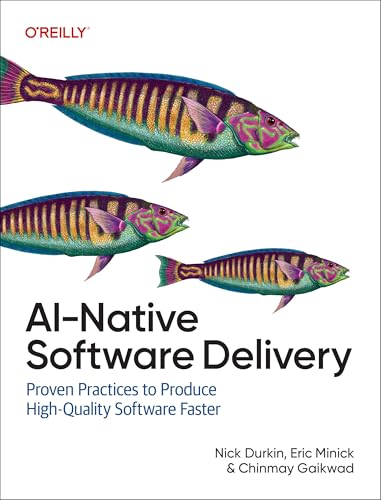
AI-Native Software Delivery: Proven Practices to Produce High-Quality Software Faster
As an affiliate, we earn on qualifying purchases.
As an affiliate, we earn on qualifying purchases.
Conclusion
Think of vulnerability scanning as your shield in the digital battlefield, each tool a vigilant guardian watching over your code. As you harness these techniques, you’re planting seeds of security, nurturing a fortress that stands strong against unseen threats. Remember, every scan is a heartbeat, a pulse of awareness that keeps your defenses alive. Stay vigilant, stay prepared—because in this landscape, your vigilance is the key to safeguarding your digital world.

LAUNCH OBD2 Scanner CRP123I V3.0 Elite,7 Resets Car Scanner,Lifetime Update
- Upgraded 2026 Version: Faster processor with new chips
- Enhanced Connectivity: Dual WiFi, Bluetooth, Android 8.1
- Lifetime Free Updates: Access 100+ global brands, no extra fee
As an affiliate, we earn on qualifying purchases.
As an affiliate, we earn on qualifying purchases.

Trivy for Kubernetes & DevSecOps: Build Secure Container Pipelines with SBOM, Supply Chain Scanning & CI/CD Automation Using GitHub Actions, Jenkins, ArgoCD, Terraform & Helm
As an affiliate, we earn on qualifying purchases.
As an affiliate, we earn on qualifying purchases.