Encrypted password managers protect saved credentials, but they vary widely in how they store and sync your vault. I’d put Keeper Password Manager first for buyers seeking a polished, cloud-based vault, while NordPass Premium stands out for multi-device access and offline hardware options such as Atlancube PasswordPocket suit people who want credentials kept closer to hand. The main tradeoff is convenience versus control: cloud services make access across devices easier, while offline devices and software can limit exposure but demand more upkeep. Features such as recovery, autofill, and compatibility matter as much as the encryption claim. Read on for how the nine options differ and which type of buyer each one fits.

Get privacy and security gear delivered free with Prime
- Fast, free delivery on millions of items
- Prime Video, Amazon Music and more included
- Member-only deals all year
Key Takeaways
- Keeper is the strongest general-purpose direction in this lineup for buyers who want a digital vault rather than a dedicated offline device; two listings refer to Keeper, so check the exact product and plan before purchasing.
- NordPass Premium prioritizes access across devices, making it a better fit for people who want a synced service than for buyers seeking an offline-only keeper.
- Hardware and offline options trade sync convenience for local control: QIWEILONG, Atlancube, The Peace of Mind Password Manager, and PBN-TEC call for closer checks on supported devices, recovery, and update processes.
- John N. Hansen Password Safe 595 is a physical storage choice, not a substitute for an autofilling app; its appeal depends on preferring a tangible record over automatic access.
- Steganos Password Manager 19 is Windows-focused, so platform fit and future access matter more than cross-device flexibility for buyers considering this download.
| QIWEILONG Offline Password Manager with USB-C Auto-Fill |  | Best USB-C Offline Pick | Storage: Offline, local storage | Capacity: Up to 500 account entries | Connection: USB-C | VIEW LATEST PRICE | See Our Full Breakdown |
| Keeper Password Manager and Digital Vault |  | Best Cloud-Synced Digital Vault | Encryption: 256-bit AES | Storage: Unlimited cloud storage | Compatibility: Smartphones, tablets, and computers | VIEW LATEST PRICE | See Our Full Breakdown |
| NordPass Premium Password Manager – Unlimited Devices, 2-Year Subscription |  | Best for Security Tools Across Devices | Subscription length: 2 years | Device support: Unlimited devices | Supported platforms: Windows, macOS, Linux, Android, iOS, and web | VIEW LATEST PRICE | See Our Full Breakdown |
| The Peace of Mind Password Manager – Simple, Secure Offline Solution |  | Best Simple Offline Vault | Storage: Local, offline storage | Cloud syncing: Not available | Encryption: Strong encryption stated; type not specified | VIEW LATEST PRICE | See Our Full Breakdown |
| Atlancube PasswordPocket Offline Hardware Password Keeper with Bluetooth Auto-Fill, 1,000 Logins, AES-256 Encryption, White |  | Best High-Capacity Bluetooth Keeper | Brand: Atlancube | Model: CP001 | Storage capacity: 8 MB | VIEW LATEST PRICE | See Our Full Breakdown |
| John N. Hansen Password Safe 595 |  | Best for Offline Credential Storage | Maximum accounts: 400 | Connectivity: Standalone, offline | Display: 3.5-inch LCD | VIEW LATEST PRICE | See Our Full Breakdown |
| PBN-TEC Portable Private Browser and Password Manager with USB Drive |  | Best for a Windows-Based Portable Toolkit | Storage capacity in description: 32GB | Storage capacity in specifications: 1TB | Hardware interface: USB 3.0 | VIEW LATEST PRICE | See Our Full Breakdown |
| Keeper Password Manager & Digital Vault | | Best for Cloud-Synced Access | Platform: Smartphones, tablets, and computers | Encryption: 256-bit AES | Storage: Unlimited cloud vault storage | VIEW LATEST PRICE | See Our Full Breakdown |
| Steganos Password Manager 19 for Windows (Download) |  | Best for Windows Autofill and Local Tools | Desktop platform: Windows 7, 8, 8.1, and 10 | Encryption: AES 256-bit | License: Up to 5 PCs | VIEW LATEST PRICE | See Our Full Breakdown |
| encrypted password manager | Encryption |
|---|---|
| QIWEILONG Offline Password Man | — |
| Keeper Password Manager and Di | 256-bit AES |
| NordPass Premium Password Mana | XChaCha20 |
| The Peace of Mind Password Man | Strong encryption stated; type not specified |
| Atlancube PasswordPocket Offli | AES-256 |
| John N. Hansen Password Safe 5 | — |
| PBN-TEC Portable Private Brows | — |
| Keeper Password Manager & Digi | 256-bit AES |
| Steganos Password Manager 19 f | AES 256-bit |
More Details on Our Top Picks
QIWEILONG Offline Password Manager with USB-C Auto-Fill
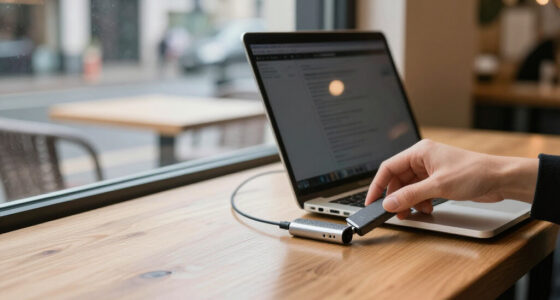
The QIWEILONG suits buyers who want locally stored logins in a small device they can connect directly to compatible hardware. Its USB-C access and autofill support make it more convenient for everyday login entry than a simple offline vault, while alphabetical navigation helps manage its limit of 500 accounts. Compared with the Bluetooth-connected Atlancube PasswordPocket, QIWEILONG relies on a physical connection, which avoids pairing but means the device must be plugged in when you need a password. The included adapter and travel case add practical flexibility, though they do not remove that connection requirement. Its local-storage approach keeps access independent of cloud syncing; buyers should still account for the master password required to open the stored credentials.
Pros:- Stores credentials locally for offline access
- Supports autofill for website and app logins
- Holds up to 500 entries with alphabetical navigation
- Includes a travel case and USB-C adapter
Cons:- Requires a compatible USB-C connection to access credentials
- A master password is still required to open stored logins
- The 500-entry capacity may be limiting for large vaults
Best for: People who want an offline credential device for compatible USB-C phones, tablets, or computers and have no more than 500 logins to store.
Not ideal for: People who need wireless access, frequent cross-device syncing, or a password vault that works without carrying and connecting a separate device.
- Storage:Offline, local storage
- Capacity:Up to 500 account entries
- Connection:USB-C
- Compatibility:Phones, tablets, and computers
- Weight:1.13 ounces
- Package dimensions:4.45 x 3.19 x 1.5 inches
- Included accessories:Travel protection case and USB-C adapter
Our verdict“Choose QIWEILONG if you want a portable, locally stored vault with USB-C autofill and can accept its 500-entry limit.”
Keeper Password Manager and Digital Vault
Keeper Password Manager and Digital Vault is the cloud-based choice here for people who want passwords and other private information available across phones, tablets, and computers. Its 256-bit AES encryption and password generator address two different needs: protecting stored data and creating stronger credentials when setting up accounts. Unlike the offline QIWEILONG, Keeper does not require a dedicated USB-C device to reach the vault on another compatible device. That convenience depends on internet access for cloud syncing, however, so it is less suited to buyers who want credentials kept entirely off the cloud or need dependable access without a connection. The supplied details also do not specify a zero-knowledge architecture, so buyers comparing it with NordPass should check the security model they require rather than assume the products handle vault access identically.
Pros:- Syncs vault data across smartphones, tablets, and computers
- Uses 256-bit AES encryption
- Includes an instant password generator
- Provides unlimited cloud storage
Cons:- Cloud syncing requires internet access
- Does not provide the offline-only storage approach offered by QIWEILONG
- The supplied product details do not specify a zero-knowledge architecture
Best for: People who use several smartphones, tablets, and computers and want a cloud-synced password and private-information vault with a built-in generator.
Not ideal for: People who want credentials kept strictly offline or who need cloud syncing to work without internet access.
- Encryption:256-bit AES
- Storage:Unlimited cloud storage
- Compatibility:Smartphones, tablets, and computers
- Included features:Password manager, digital vault, and password generator
- Sync method:Cloud syncing
- Internet requirement:Internet access required for cloud syncing
Our verdict“Pick Keeper if cross-device cloud access and a digital vault matter more to you than keeping credentials entirely offline.”
NordPass Premium Password Manager – Unlimited Devices, 2-Year Subscription
NordPass Premium is the most feature-rich option here for buyers who want more than credential storage: it combines autofill with password health checks, emergency access, and a built-in authenticator for one-time codes. Its XChaCha20 zero-knowledge architecture gives security-conscious users a clearly specified model, while support for unlimited devices across desktop, mobile, and web makes it more flexible for multi-device households than QIWEILONG or Atlancube’s offline hardware keepers. The tradeoff is that premium features come with a two-year subscription, and cloud syncing and emergency access depend on internet connectivity. Buyers seeking a vault that stays entirely offline may prefer The Peace of Mind Password Manager, but they would give up NordPass’s device syncing and account-health tools.
Pros:- Supports unlimited devices across Windows, macOS, Linux, Android, iOS, and web
- Uses XChaCha20 with a zero-knowledge architecture
- Password Health identifies weak or reused credentials
- Includes emergency access and a built-in authenticator
Cons:- Premium features require an ongoing subscription
- Cloud syncing and emergency access depend on internet connectivity
- More feature-rich than needed for buyers who only want a basic offline vault
Best for: People managing accounts across many operating systems who want autofill, password-health guidance, emergency access, and built-in one-time codes.
Not ideal for: Buyers who want a one-time offline hardware vault, do not want an ongoing subscription, or need cloud features without internet access.
- Subscription length:2 years
- Device support:Unlimited devices
- Supported platforms:Windows, macOS, Linux, Android, iOS, and web
- Encryption:XChaCha20
- Security architecture:Zero-knowledge
- Included features:Autofill, Password Health, Emergency Access, and built-in authenticator
- MFA support:Built-in support with one-time codes
Our verdict“Choose NordPass Premium if you want a zero-knowledge, multi-device vault with password-health and recovery tools and accept subscription-based access.”
The Peace of Mind Password Manager – Simple, Secure Offline Solution
The Peace of Mind Password Manager is the simplest fit for buyers whose priority is keeping credentials out of the cloud, rather than getting advanced syncing or hardware-based autofill. Its local storage and stated strong encryption offer a straightforward privacy-focused alternative to Keeper and NordPass, both of which are designed around cloud syncing. The tradeoff is equally clear: passwords are not automatically available across devices, so this option makes more sense for a person who uses one main device or is comfortable managing access manually. Compared with the QIWEILONG USB-C manager, the supplied details do not list a connection type, capacity, or accessories; that leaves less concrete information for buyers who want a portable hardware workflow. Its appeal rests on simplicity, but the sparse specifications make it harder to compare technical details.
Pros:- Keeps stored passwords out of the cloud
- Uses local storage for offline access
- Described as having strong encryption
- Aims for a simple, user-friendly interface
Cons:- No cloud sync means credentials are not automatically available across devices
- The supplied specifications do not state storage capacity or encryption type
- Connection method and device compatibility are not specified
Best for: People who want a simple password manager with locally stored credentials and do not need automatic access across multiple devices.
Not ideal for: People who switch among devices regularly, want cloud backup or syncing, or need clearly specified capacity and connection details before choosing.
- Storage:Local, offline storage
- Cloud syncing:Not available
- Encryption:Strong encryption stated; type not specified
- Interface:Described as easy to use
- Capacity:Not specified
- Device compatibility:Not specified
Our verdict“Choose this option if simple local storage is your priority and the missing capacity and compatibility details are not deal-breakers.”
Atlancube PasswordPocket Offline Hardware Password Keeper with Bluetooth Auto-Fill, 1,000 Logins, AES-256 Encryption, White
Atlancube PasswordPocket stands out among the offline options for its 1,000-login capacity and Bluetooth autofill connection to compatible iOS and Android devices. Because it works without internet access, it suits people who want wireless convenience without moving credentials into a cloud-synced vault. Compared with QIWEILONG, it doubles the listed credential capacity and avoids a USB-C connection, but it is limited to phones and tablets on the specified mobile platforms rather than the broader phones, tablets, and computers listed for QIWEILONG. Its AES-256 encryption is specified, though buyers must also account for the CR2032 battery and plastic enclosure. The listed transfer rate is 1 megabit per second; it is a product detail, but buyers should weigh compatibility and battery dependence more heavily in daily use.
Pros:- Stores up to 1,000 account credentials
- Bluetooth operation works without internet access
- Supports compatible iOS and Android phones and tablets
- Specifies AES-256 encryption
Cons:- Requires a CR2032 battery
- Listed compatibility does not include computers
- Uses a plastic enclosure
Best for: iOS and Android users who want a wireless offline password keeper with room for up to 1,000 logins and autofill support.
Not ideal for: People who need desktop compatibility, dislike battery-powered devices, or want a password manager with cloud sync and broad platform access.
- Brand:Atlancube
- Model:CP001
- Storage capacity:8 MB
- Credential capacity:Up to 1,000 logins
- Encryption:AES-256
- Connectivity:Bluetooth, wireless
- Compatible devices:iOS and Android phones and tablets
- Power:CR2032 battery
- Warranty:1-year manufacturer warranty
Our verdict“Pick PasswordPocket if you want a high-capacity offline vault with Bluetooth autofill for supported mobile devices and can manage its battery.”
John N. Hansen Password Safe 595
The Password Safe 595 is the most self-contained choice here: it stores up to 400 account records on a standalone device, so credentials are available without a computer, phone app, or internet connection. Its touchscreen and keypad provide direct access, while the 30-minute lockout after five incorrect PIN attempts adds a practical barrier against repeated guessing. Compared with the PBN-TEC USB toolkit, it avoids relying on a Windows computer, but it does not offer a portable browser or file storage. The offline design also means credentials do not sync across devices, so each entry must be managed on the keeper itself. Three AAA batteries power it, and the listing states no warranty, which makes support and long-term upkeep meaningful tradeoffs.
Pros:- Stores up to 400 website credentials, ATM PINs, and other account details
- Works as a standalone offline device
- Locks for 30 minutes after five consecutive incorrect PIN attempts
- Combines touchscreen entry with a physical keypad
Cons:- Does not sync credentials across devices
- Requires three AAA batteries
- Product listing states that no warranty is provided
Best for: People who want a standalone, internet-free place for a few hundred account logins and PINs.
Not ideal for: Users who need credentials synced across phones and computers, or who want warranty coverage.
- Maximum accounts:400
- Connectivity:Standalone, offline
- Display:3.5-inch LCD
- Input:Touchscreen and keypad
- Storage capacity:4 GB
- Power:3 AAA batteries, included
- Security:Auto-locks for 30 minutes after 5 consecutive incorrect PINs
- Dimensions and weight:6.5 × 6.2 × 1.5 in; 171 g
- Warranty:No warranty
Our verdict“Choose the Password Safe 595 if offline access matters more than syncing, browser integration, or warranty support.”
PBN-TEC Portable Private Browser and Password Manager with USB Drive
PBN-TEC combines a portable browser, password manager, and USB storage, making it a different proposition from dedicated keepers such as the John N. Hansen Password Safe 595. Its plug-and-play setup and credential import support may suit someone who wants a familiar Windows workflow rather than entering logins on a separate device. The listing also describes encryption features, but gives no encryption standard or detailed security architecture, so I would not rank it alongside products with clearly stated protection such as Keeper’s 256-bit AES. A larger concern is the contradictory capacity information: the description says 32GB, while the specifications say 1TB. It is also listed for Windows only, which limits its usefulness in households or workplaces with mixed devices.
Pros:- Combines a private browser and password manager on one USB drive
- Supports importing existing login credentials
- Can also store files and documents
- Designed for plug-and-play use on supported Windows computers
Cons:- Listing gives conflicting storage capacities: 32GB in the description and 1TB in the specifications
- Compatibility is limited to Windows computers
- The listing does not specify an encryption standard
Best for: Windows users who want a portable browser and password tool together on a USB drive and are comfortable verifying the device details before relying on it.
Not ideal for: People who need clearly documented encryption, dependable capacity information, or compatibility with macOS, iOS, or Android.
- Storage capacity in description:32GB
- Storage capacity in specifications:1TB
- Hardware interface:USB 3.0
- Connector:USB Type-A
- Compatible devices:Windows 7, 8, 10, and 11
- Setup:Plug and play
- Functions:Portable private browser, password manager, and file storage
- Credential import:Supported
Our verdict“Consider PBN-TEC for a Windows-only portable toolkit, but skip it if you need consistent capacity details or clearly specified encryption.”
Keeper Password Manager & Digital Vault
Keeper is the most straightforward fit in this group for someone who wants a cloud vault across phones, tablets, and computers rather than an offline device or a Windows-only USB tool. Its listed 256-bit AES encryption and instant password generator address two core needs: protecting stored credentials and creating stronger replacements for reused passwords. Compared with the Password Safe 595, Keeper favors convenient access across devices over keeping the vault on a standalone gadget. That convenience depends on using a cloud-based service, so it is a less natural match for buyers who specifically want credentials kept offline. The supplied product information does not detail account recovery, sharing controls, or other security features, so I would not assume capabilities beyond the listed encryption, syncing, and generator.
Pros:- Syncs the vault across smartphones, tablets, and computers
- Uses 256-bit AES encryption
- Includes an instant password generator
- Provides unlimited cloud vault storage
Cons:- Cloud-based access is a poor fit for buyers seeking an offline-only vault
- The supplied product details do not specify account recovery or sharing options
Best for: People who use multiple smartphones, tablets, and computers and want one cloud vault for their logins.
Not ideal for: Buyers who require a standalone offline password keeper or need detailed information about recovery and sharing features before choosing.
- Platform:Smartphones, tablets, and computers
- Encryption:256-bit AES
- Storage:Unlimited cloud vault storage
- Password generator:Included
- Vault access:Cloud-based
- Synchronization:Across smartphones, tablets, and computers
Our verdict“Pick Keeper for encrypted credentials that follow you across devices, not for an offline-only storage setup.”
Steganos Password Manager 19 for Windows (Download)
Steganos Password Manager 19 is a Windows-focused option for buyers who want AES 256-bit encryption paired with practical login tools: password generation, automatic form entry, browser plugins, two-factor authentication, and secure notes. That feature mix makes it more workflow-oriented than the John N. Hansen Password Safe 595, which stores credentials offline but does not list browser autofill. Steganos also supports mobile apps and a portable version, though its desktop software is limited to Windows and installation and updates require an internet connection. The stated license covers up to five PCs, a useful fit for a small household or a user with several Windows machines, but the product data does not describe cloud syncing or how mobile access is delivered. Buyers who want a clearly stated cross-device cloud vault may prefer Keeper.
Pros:- Protects saved login data with AES 256-bit encryption
- Generates passwords and automatically enters login details on websites
- Includes browser plugins, two-factor authentication, and secure notes
- Supports a portable version and iOS and Android access
Cons:- Desktop software is limited to Windows
- Internet access is required for installation and updates
- The supplied details do not explain how mobile access syncs with the Windows vault
Best for: Windows users who want browser autofill, secure notes, two-factor authentication, and a license for multiple PCs.
Not ideal for: Mac users or buyers who want a clearly documented cloud-syncing service across desktop and mobile platforms.
- Desktop platform:Windows 7, 8, 8.1, and 10
- Encryption:AES 256-bit
- License:Up to 5 PCs
- Mobile apps:iOS and Android
- Memory requirement:1 GB RAM
- Disk space:200 MB
- Processor requirement:Intel Pentium 1 GHz
- Internet connection:Required for installation and updates
- Included tools:Password generation, automatic login entry, browser plugins, two-factor authentication, and secure notes
Our verdict“Choose Steganos if Windows autofill and security tools matter more than a clearly specified cloud-syncing experience.”

How We Picked
I ranked these options by the buyer outcomes that matter for an encrypted password manager: how credentials are stored and accessed, whether the product supports practical autofill or syncing, device and operating-system fit, and how clearly a buyer can handle recovery if a device is lost. I also distinguished software vaults from offline hardware and physical storage, since those formats solve different problems and should not be judged as interchangeable.
Keeper leads as the most broadly applicable digital-vault choice, with NordPass close behind for buyers prioritizing multi-device access. Offline products place lower not because local storage is inherently weaker, but because they can ask more of the buyer around compatibility, backup, and maintenance. The single-platform Steganos download and physical Password Safe serve narrower needs; the two Keeper listings are treated as near-duplicates rather than separate innovations. Product names and supplied features do not establish every security or recovery detail, so I flag those as purchase checks rather than assume them.
Factors to Consider When Choosing Encrypted Password Managers
Before choosing, decide how you want to reach your passwords and what happens when your main device is unavailable. Encryption is only one part of the decision: recovery, compatibility, backup habits, and daily usability can determine whether a secure vault remains useful over time.
Choose Cloud Sync or Offline Storage
Cloud sync is useful when you routinely move between a phone, laptop, and tablet; an encrypted vault can stay available without carrying a separate device. An offline keeper limits reliance on an online account, but it may leave you without credentials when the device is elsewhere, out of power, or incompatible with a new computer. A common mistake is equating “offline” with automatically safer: physical loss, damage, and weak backup habits still matter. Decide which failure you would rather manage—account access problems or device access problems. If you choose offline storage, check how the product handles backup and migration before loading your full vault.
Check Recovery Before You Need It
A password manager can protect a vault strongly and still create a serious access problem if you forget its master credential or lose its hardware. Before buying, find out whether recovery is possible, what information recovery requires, and whether that process changes the security model. Do not assume customer support can restore an encrypted vault if the provider cannot access its contents. Make a recovery plan that is stored separately from the vault, and test it with a small set of noncritical credentials if the product permits. Buyers who choose a physical or offline product should also plan for damage, loss, and eventual replacement.
Match Autofill to Your Actual Devices
Autofill saves time, but support can differ across operating systems, browsers, apps, and connection methods such as USB-C or Bluetooth. Check your own devices rather than relying on a broad claim that a product works with “mobile” or “computer” use. A hardware keeper may be convenient on one phone and awkward on a work laptop with restricted ports or software permissions. If you use several platforms, favor clear compatibility details and a practical way to add or update entries on each one. For a single Windows computer, a Windows-focused download may be enough; it is a poor match if you expect to switch platforms soon.
Look Beyond the Encryption Label
A stated algorithm or “encrypted” label does not answer every security question. Buyers should look for clear explanations of what is encrypted, where the vault is stored, how access is authenticated, and whether data leaves the device. Be cautious about treating a hardware capacity claim as proof of stronger protection or easier use. Also consider how updates are delivered: a product that is hard to maintain can become a liability even if its core design sounds appealing. When product details leave these points unclear, ask the seller or consult official documentation before entrusting it with important accounts.
Plan for Backups and Long-Term Access
Your password vault may outlast the device or software version you buy today. Check whether entries can be exported in a usable format, whether backups are possible, and what happens if the product is discontinued or no longer runs on your operating system. Export files can expose credentials, so store them securely and remove temporary copies after a migration. Physical password books avoid software dependence but need safe storage and careful updates; they also do not provide app-style autofill. A modest backup routine is more useful than a feature list if it lets you regain access after a failure.
Pay for Convenience Only When You’ll Use It
Extra devices, browser support, sharing, and account tools matter when they fit a real routine; otherwise, they add complexity without improving your daily security. Before paying for a service or choosing a specialized device, list how many devices need access and whether anyone else needs shared credentials. A beginner may benefit more from straightforward setup and dependable recovery guidance than from a long list of advanced controls. A privacy-focused buyer may accept manual updates in exchange for offline storage, while a frequent traveler may value accessible syncing. Compare the ongoing effort as well as the feature set, since neglected vaults can become harder to trust and maintain.
Frequently Asked Questions
Is an offline password keeper safer than a cloud-synced manager?
Neither format is automatically safer for every buyer. Offline storage reduces dependence on an online account, while a cloud-synced manager can make access and backups easier across devices. Offline products still face risks from loss, damage, outdated software, and poor backup habits. A cloud service still requires careful account protection and confidence in its security design. Choose the format whose risks you can manage consistently, then verify its recovery and backup options.
Can I use one of these managers across both a phone and a computer?
That depends on the specific product and the devices you own. NordPass and Keeper are presented as digital services suited to broader access, while options such as QIWEILONG and Atlancube rely on particular hardware and connection methods. Steganos Password Manager 19 is identified as a Windows download, which makes it a narrower fit for mixed-platform households. Check supported operating systems, browsers, and connection requirements against your exact devices before buying. Do not assume that a USB-C or Bluetooth feature means every phone or computer will support the same workflow.
What happens if I lose an offline password device?
The answer depends on whether the product provides a separate backup or recovery route, and that detail should be confirmed before purchase. If the device holds the only copy of your vault, loss or damage could leave you without access to saved credentials. Keep a secure, separate backup where the product supports one, and learn how restoration works before storing important accounts. Avoid keeping an unprotected copy of the same passwords in an easy-to-find location. For any device-based option in this roundup, recovery planning is part of the product decision, not an afterthought.
Are the two Keeper listings different products?
The supplied names describe Keeper Password Manager and Digital Vault and Keeper Password Manager & Digital Vault, which appear to refer to the same core product family. The listings do not provide enough detail to establish a meaningful feature difference. Check the seller, included plan, supported devices, and subscription terms rather than treating the repeated name as a separate capability. In this comparison, Keeper is considered one choice, not two distinct ranked solutions. If the listing details differ, use the official product information to confirm what is included.
Should I choose a password manager or a physical password book?
Choose a digital manager if autofill, quick updates, and access across devices are central to your routine. A physical option such as John N. Hansen Password Safe 595 may suit someone who prefers a tangible record and accepts manual entry and careful storage. A book does not provide the same app-based autofill workflow, and it can be lost, damaged, or seen by someone with physical access. Digital managers bring their own dependency on devices, software, and recovery plans. The better fit depends on which method you will keep current and protect reliably.
Conclusion
For most buyers seeking a digital vault, I’d choose Keeper as the best overall; it is the broadest fit in this lineup, though the two Keeper listings should be checked for plan differences rather than counted as separate options. NordPass is my best value-style fit for multi-device access among the products described, while the lineup does not provide enough plan or cost detail to make a price-based value claim. For a best premium choice, consider Keeper if its fuller vault workflow matches your needs; confirm the included features before committing. Beginners should favor a clear setup and recovery process, making a mainstream digital vault a more practical starting point than a hardware keeper or physical book. For specific needs, choose Atlancube or QIWEILONG for an offline hardware approach, The Peace of Mind Password Manager for a simple offline concept, PBN-TEC if its private-browser-and-drive format suits your workflow, John N. Hansen for physical records, or Steganos if you use Windows and want a download. The best pick is the one whose access, backup, and recovery habits you can maintain.