
TL;DR

Get privacy and security gear delivered free with Prime
- Fast, free delivery on millions of items
- Prime Video, Amazon Music and more included
- Member-only deals all year
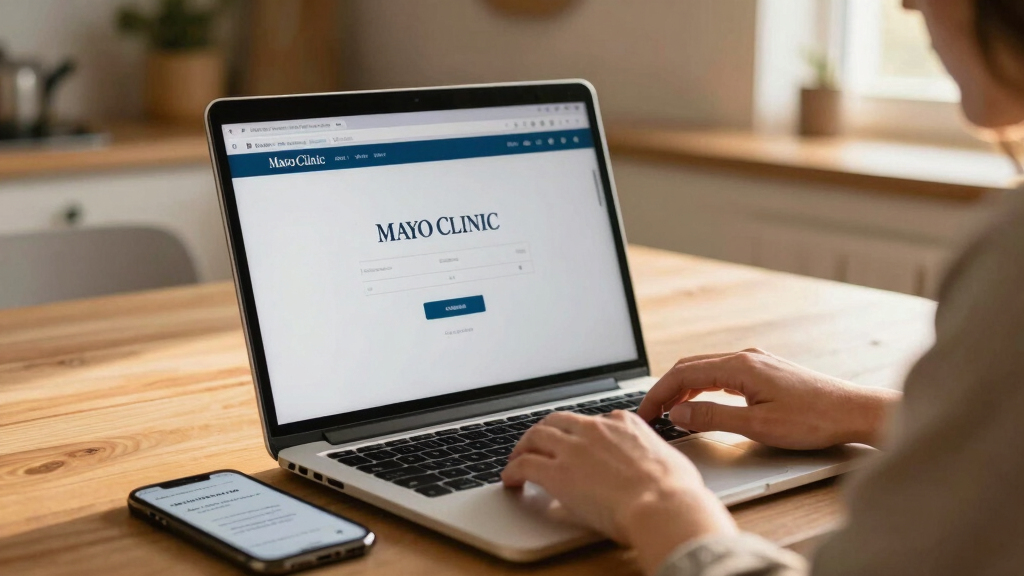
A data breach discovered by Xsolis, a healthcare management company, may have compromised data of some former Mayo Clinic patients. Mayo Clinic has not confirmed direct involvement, but the breach raises privacy concerns.
A data breach identified by Xsolis, a healthcare utilization management company, may have exposed the personal information of some individuals who previously received care through Mayo Clinic. Mayo Clinic has not confirmed a direct breach of its systems, but the incident raises concerns about patient data security involving third-party vendors.
On January 22, 2024, Xsolis announced it had detected and contained a data breach involving its systems. The breach potentially affected some former patients of Mayo Clinic, as Xsolis handles utilization management services for various healthcare providers, including Mayo Clinic. The breach was identified internally and contained, but the scope of affected data remains unclear.
Mayo Clinic officials have not publicly confirmed whether their internal systems were compromised or if patient data was directly affected. The clinic issued a statement indicating they are investigating the situation and are working with Xsolis to determine the extent of the breach. As of now, no evidence suggests Mayo Clinic’s own systems were breached or that current patients’ data was compromised.
Potential Impact on Patient Privacy and Data Security
This incident underscores the risks associated with third-party vendors managing sensitive healthcare data. Even if Mayo Clinic’s internal systems remain secure, data handled by external providers can become vulnerable, raising concerns about patient privacy and data protection standards across healthcare networks.
The breach may lead to increased scrutiny of third-party vendor security practices and could prompt patients to question the safety of their personal health information stored or processed by such companies. It also highlights the importance for healthcare providers to ensure rigorous security measures extend beyond their own systems.
personal health data security USB drive
As an affiliate, we earn on qualifying purchases.
As an affiliate, we earn on qualifying purchases.
Background on Healthcare Data Breaches and Third-Party Risks
Data breaches involving healthcare information have become increasingly common, often stemming from vulnerabilities in third-party vendors rather than direct attacks on healthcare providers. Xsolis, which manages utilization data for multiple healthcare organizations, has previously been involved in data security discussions, but this is the first known incident linked to their services impacting patients.
Mayo Clinic, one of the largest healthcare providers in the U.S., has historically maintained strong data security protocols. However, the reliance on external vendors for certain administrative functions introduces additional risk factors, as demonstrated by this recent breach.
“The breach at Xsolis highlights the vulnerabilities in third-party healthcare data management systems.”
— an anonymous researcher
encrypted health information storage device
As an affiliate, we earn on qualifying purchases.
As an affiliate, we earn on qualifying purchases.
Extent of Data Exposure and Direct Involvement Unclear
It is not yet confirmed how many individuals’ data may have been exposed or what specific information was compromised. Mayo Clinic has not publicly confirmed whether its own systems were affected, and the full scope of the breach remains under investigation.
medical data breach protection software
As an affiliate, we earn on qualifying purchases.
As an affiliate, we earn on qualifying purchases.
Ongoing Investigation and Future Security Measures
Mayo Clinic and Xsolis are expected to continue their investigations to determine the scope of the breach. Patients are advised to monitor their accounts for suspicious activity and to stay informed about updates from both organizations. Healthcare providers are likely to review and strengthen their data security protocols in response to this incident.
healthcare data privacy monitoring tool
As an affiliate, we earn on qualifying purchases.
As an affiliate, we earn on qualifying purchases.
Key Questions
Was Mayo Clinic directly affected by the data breach?
There is no confirmed evidence that Mayo Clinic’s internal systems were compromised. The breach appears to have been limited to Xsolis’s systems, which handle utilization management for some healthcare clients, including Mayo Clinic.
What type of data might have been exposed?
The specific data exposed has not been detailed publicly. It could include personal health information or administrative data handled by Xsolis, but this remains unconfirmed.
Should former Mayo Clinic patients be concerned?
Patients are advised to remain vigilant for any suspicious activity on their accounts and to follow updates from Mayo Clinic and Xsolis. The incident underscores the importance of monitoring personal information after data breaches.
What steps are being taken to prevent future breaches?
Both Mayo Clinic and Xsolis are expected to review their security protocols and implement additional safeguards to protect patient data, though specific measures have not yet been disclosed.
Source: Google Trends
Halloween Picks
halloween
As an affiliate, we earn on qualifying purchases.