

You notice different parts of reality through sensing and intuition. Sensing focuses on concrete details and in-the-moment facts, so you see the clear, tangible aspects of your environment. Intuition, on the other hand, perceives underlying patterns and long-term possibilities, helping you recognize connections beyond what’s immediately visible. By understanding how each perceives reality, you can improve your awareness and decision-making. Keep exploring to discover more about how these perceptions shape your understanding.
Key Takeaways
- Sensing perceives detailed, concrete facts from the environment, focusing on what is immediately observable.
- Intuition recognizes patterns and underlying meanings that go beyond direct sensory input.
- Sensing notices small changes and verifies facts through direct experience.
- Intuition identifies connections and potentialities, perceiving future possibilities and abstract relationships.
- Sensing grounds perception in present reality, while intuition broadens awareness to include future scenarios and symbolic insights.

You might find that sensing and intuition, two fundamental ways people perceive the world, focus on different parts of reality. When you use your sensing function, you rely heavily on sensory awareness—what you can see, hear, touch, taste, and smell. You notice the details around you, the textures of objects, the colors of the sky, the sounds of a busy street. Your attention is grounded in the present moment, capturing concrete facts and tangible data. This way of perceiving is practical, precise, and rooted in real-world experience. You’re attentive to what is immediately in front of you, trusting your direct perception rather than assumptions or possibilities.
On the other hand, intuition guides you to recognize patterns that go beyond what’s immediately visible. It’s less about the concrete details and more about connecting dots, seeing the bigger picture, and sensing underlying meanings. Your mind searches for patterns, relationships, and possibilities, often in an abstract or symbolic way. You might look at a situation and instinctively sense where it’s headed or what could happen next, even if you don’t have all the facts laid out. Intuition helps you fill in gaps, make connections that aren’t obvious, and imagine future scenarios. It’s a form of pattern recognition that’s more about the potential than the present. Additionally, perception styles influence how individuals interpret and respond to their environment, shaping their decision-making processes. Recognizing these perceptual differences also enhances communication skills, as you become more aware of how others process information differently. Understanding these distinctions can help you develop a more balanced perception, enabling you to integrate concrete details with abstract insights for a fuller understanding of situations.
Both ways of perceiving serve important purposes, but they focus on different parts of reality. Sensory awareness keeps you grounded in the here and now, giving you detailed, observable information. It’s what allows you to notice small changes, verify facts, and act based on what’s clearly in front of you. Recognizing the importance of sensory data can also improve your ability to gather accurate information for better decision-making. Meanwhile, intuition offers insight into what might be, helping you anticipate outcomes and understand complex systems through the recognition of underlying patterns. When you trust your sensing, you’re more focused on concrete facts. When you lean into your intuition, you’re attuned to possibilities and meanings that aren’t immediately obvious. Recognizing these differences helps you appreciate how you perceive the world and how others might see it differently. It’s this balance that makes your perception versatile, whether you’re solving problems, making decisions, or simply understanding your environment.

Lifelines Sensory Journal With Tactile Cover & Embossed Paper, 5-1/2" x 8-1/2", 160 Sheets, Find Your Path
Journal, brainstorm and schedule creatively within the pages of a Lifelines Sensory Journal With Tactile Cover & Embossed…
As an affiliate, we earn on qualifying purchases.
As an affiliate, we earn on qualifying purchases.
Frequently Asked Questions
How Do Sensing and Intuition Influence Decision-Making Processes?
You notice that sensing influences your decision-making by prioritizing perception accuracy and focusing on concrete details, helping you stay grounded. Intuition, on the other hand, guides you through emotional awareness and big-picture thinking, allowing you to reflect on possibilities beyond immediate facts. Together, sensing and intuition shape how you evaluate options, balancing factual precision with emotional insight, ultimately leading to more well-rounded decisions.
Can Someone Develop Both Sensing and Intuitive Skills Equally?
You can develop both sensing and intuitive skills equally through deliberate practice. Coincidences often happen when you engage in experiential learning, exposing yourself to diverse experiences that enhance sensing, and practicing abstract reasoning to strengthen intuition. By intentionally balancing activities that involve detailed observation and creative thinking, you actively expand your abilities. Over time, this dual development creates a more flexible, well-rounded approach to perceiving and understanding reality.
How Do Sensing and Intuition Affect Creativity and Innovation?
Your perceptual focus influences your creativity and innovation. Sensing encourages you to notice details and practical aspects, leading to steady, realistic ideas. Intuition pushes you to see possibilities and make novel connections, fostering inventive thinking. Your creative tendencies are shaped by which perceptual focus dominates; blending both allows you to develop innovative solutions rooted in practicality. Embracing both enhances your ability to generate diverse, impactful ideas.
Are Sensing and Intuitive Types More Prone to Certain Biases?
Yes, sensing and intuitive types can be more prone to certain biases. Sensing types often have bias blind spots around over-relying on concrete details, which can limit their perception of possibilities. Intuitive types may overlook practical details due to their focus on big-picture ideas, creating perception filters that skew their understanding. Both groups need to be aware of these tendencies to minimize bias and see reality more clearly.
How Do Sensing and Intuitive Perceptions Impact Interpersonal Relationships?
You notice that sensing perceptions focus on concrete details, making you empathetic to others’ immediate needs, while intuitive perceptions see the bigger picture, helping you understand underlying emotions. This influences your relationships by shaping empathy development and conflict resolution skills. You can connect deeply with others, balancing practical understanding with intuitive insight, fostering stronger bonds, smoother communication, and more effective problem-solving in your interpersonal interactions.

Developing Intuition: Practical Guidance for Daily Life
Product Overview: A detailed look at the book's content
As an affiliate, we earn on qualifying purchases.
As an affiliate, we earn on qualifying purchases.
Conclusion
You might find it fascinating that approximately 70% of people lean more toward sensing or intuition, shaping how they notice reality. Sensing types focus on concrete details, while intuitive types see patterns and possibilities. Recognizing these differences helps you understand yourself and others better, fostering empathy and communication. So next time you’re observing your surroundings, remember that your way of noticing isn’t just personal—it’s part of a larger, diverse way humans experience the world around us.

Brock String, Vision Convergence Insufficiency Training Tool for Eye Muscle Strengthening, Focus Exercise and Agility, 10 Ft with 5 Beads, White
ENHANCE CONVERGENCE AND FOCUS: Use the Brock String convergence training tool to strengthen eye muscles, focus, and support…
As an affiliate, we earn on qualifying purchases.
As an affiliate, we earn on qualifying purchases.
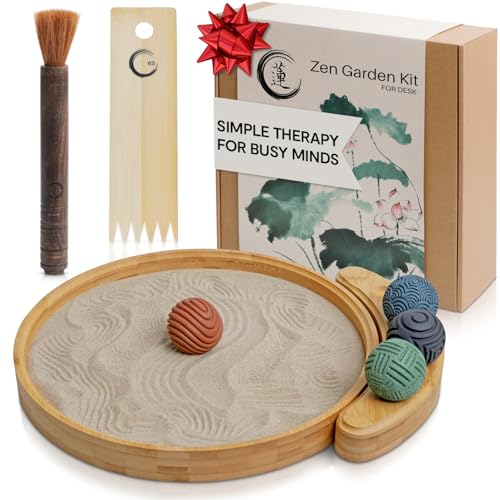
ENSO Zen Garden for Desk, Japanese Bamboo Sand Tray Therapy Kit
THERAPIST-RECOMMENDED FOR CALMING & FOCUS – Loved by therapists, this natural bamboo zen garden supports emotional regulation, stress…
As an affiliate, we earn on qualifying purchases.
As an affiliate, we earn on qualifying purchases.