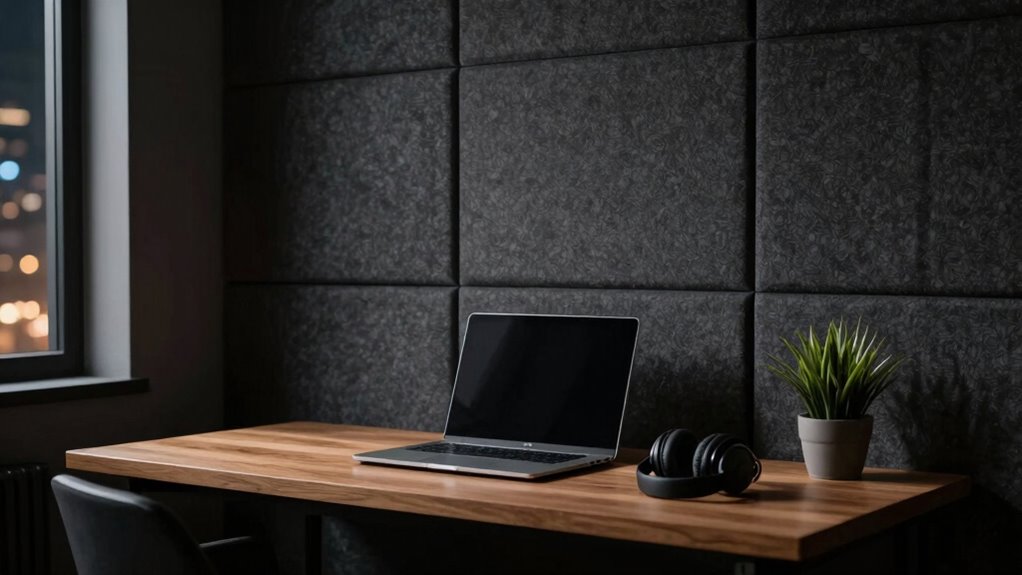

Acoustic privacy is more important than you might think because it protects your confidentiality and helps you focus without constant distractions. Poor soundproofing can lead to misunderstandings, stress, and even health issues, especially in shared or open spaces. When noise isn’t managed, your productivity and well-being suffer, and sensitive information can be at risk. If you stay with us, you’ll discover how better sound management can transform your environment for the better.

Get privacy and security gear delivered free with Prime
- Fast, free delivery on millions of items
- Prime Video, Amazon Music and more included
- Member-only deals all year
Key Takeaways
- Preserving confidentiality in healthcare, legal, and corporate settings prevents sensitive information from being overheard.
- Proper acoustic privacy reduces distractions, boosting focus, productivity, and overall work quality.
- Poor acoustic design can lead to increased stress, health issues, and compromised confidentiality.
- Sound masking and noise regulation strategies effectively enhance privacy and minimize noise pollution.
- Acoustic privacy supports well-being, safety, and sustainable, effective architectural and organizational practices.
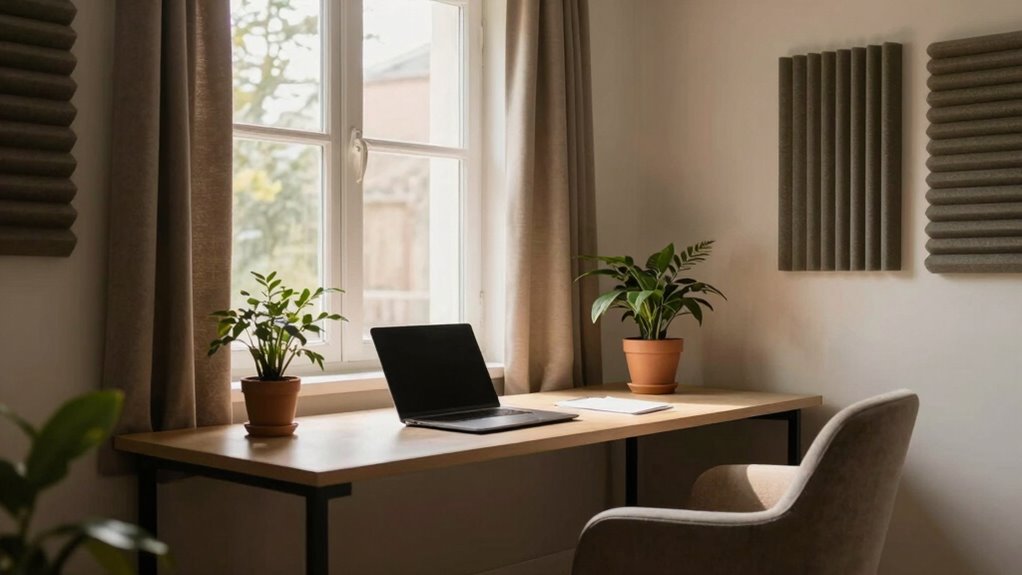
Have you ever experienced frustration when trying to focus or have a private conversation only to be disturbed by noise? It’s a common feeling, and it highlights just how essential acoustic privacy really is. When your environment isn’t properly soundproofed or managed, distractions become unavoidable, hampering productivity and compromising confidentiality. That’s where sound masking and noise regulation come into play, providing effective solutions to create more private, peaceful spaces. Sound masking involves adding a gentle, ambient background noise—like white noise or specially designed soundscapes—that helps blend distracting sounds into the background. This technique makes conversations more private because it reduces the intelligibility of speech from nearby areas, preventing eavesdropping and reducing distractions. It’s particularly useful in open-plan offices, healthcare facilities, and other environments where privacy is paramount. Noise regulation, on the other hand, encompasses policies and physical modifications aimed at controlling and reducing unwanted noise. These measures include installing acoustic panels, implementing building codes, and establishing policies that limit noise levels during certain hours. Effective noise regulation not only enhances acoustic privacy but also improves overall comfort and safety. When these strategies are properly implemented, they help create environments where focus isn’t constantly interrupted by external or internal sound disturbances. Without such measures, noise pollution can lead to decreased productivity, increased stress, and even health issues over time. You might not realize how much noise intrusion impacts your daily life until you experience the benefits of a quieter space. Acoustic privacy isn’t just about comfort; it’s about respecting confidentiality, boosting efficiency, and fostering a sense of calm. Whether you’re working in a busy office, visiting a healthcare provider, or studying in a shared space, sound masking and noise regulation are essential tools. They ensure your conversations stay private and your focus remains undisturbed. Many overlook the importance of these solutions until they face the consequences of poor acoustic design. Investing in sound masking systems and adhering to noise regulation standards isn’t just about comfort—it’s about creating environments that support your well-being and productivity. When you prioritize acoustic privacy, you’re actively reducing stress, preventing misunderstandings, and safeguarding sensitive information. It’s a fundamental aspect of modern design and organizational policies that often goes unnoticed but makes a significant difference in daily life. The importance of acoustic privacy extends beyond simple quietness; it’s about controlling sound to foster healthier, more efficient, and more respectful spaces. Recognizing the role of sound masking in reducing distractions can significantly improve the quality of shared environments. Additionally, understanding soundproofing techniques can help in designing spaces that better contain and absorb unwanted noise. Implementing these strategies can also contribute to biodiversity by reducing noise pollution that disrupts local wildlife and ecosystems. Moreover, a well-designed acoustic environment can enhance the overall productivity of individuals working or learning within these spaces, emphasizing the importance of integrating sound management strategies into architectural planning. A comprehensive approach to noise control considers both environmental impact and human comfort, ensuring sustainable and effective solutions.
As an affiliate, we earn on qualifying purchases.
Frequently Asked Questions
How Does Acoustic Privacy Impact Mental Health?
Acoustic privacy directly influences your mental well-being by reducing noise-related stress and distractions. When you have quiet, private spaces, you can relax better, focus more, and feel less overwhelmed. This stress reduction helps prevent anxiety and burnout, supporting overall mental health. By protecting your auditory environment, you create a calmer atmosphere that promotes better mood, enhances concentration, and fosters a sense of personal security and well-being.
What Are the Best Materials for Soundproofing?
You should consider using acoustic insulation materials like mineral wool, foam panels, or mass-loaded vinyl for soundproofing. These materials are highly effective in absorbing and blocking sound. Incorporate soundproofing techniques such as sealing gaps and installing resilient channels to maximize privacy. Combining these strategies guarantees better acoustic insulation, helping you create a quieter, more private environment. Prioritize quality materials to achieve the best soundproofing results.
Can Acoustic Privacy Solutions Be DIY?
You can definitely try DIY installation for acoustic privacy solutions, and it’s often a cost-effective way to improve soundproofing. While some projects require basic tools and patience, others might need professional help. However, with the right materials and detailed instructions, you can successfully create effective sound barriers at home. Just remember, investing time into research and proper installation makes your DIY efforts more reliable and long-lasting.
How Does Open-Office Design Affect Acoustic Privacy?
Open-office design negatively impacts your acoustic privacy by reducing effective office acoustics and making it harder to create privacy barriers. You’ll notice more noise and less sound control, which can lead to distractions and decreased productivity. Without proper privacy barriers, confidential conversations become difficult, and your focus suffers. To improve acoustic privacy, consider adding sound-absorbing materials or partitions that help contain noise and restore better office acoustics.
What Legal Rights Exist for Noise Disturbances?
Like a knight defending their castle, your privacy rights protect you from noise disturbances. Legally, you can seek enforcement if noise intrudes on your right to quiet, especially if it’s unreasonable or persistent. Local ordinances and noise regulations back your claims, and in some cases, you may have legal grounds for a complaint or lawsuit. Know your rights—legal enforcement exists to shield your peace and privacy.
acoustic panels for soundproofing
As an affiliate, we earn on qualifying purchases.
As an affiliate, we earn on qualifying purchases.
Conclusion
You might think privacy is just about keeping secrets, but acoustic privacy reveals a different story. While you focus on physical security or digital data, sound can silently breach your comfort and confidentiality. It’s like having a whisper in a crowded room—loud enough to be heard but unnoticed until it’s too late. Protecting your acoustic space isn’t just about noise; it’s about safeguarding your peace, your productivity, and your personal boundaries in a world full of constant noise.
As an affiliate, we earn on qualifying purchases.
As an affiliate, we earn on qualifying purchases.
Halloween Picks
halloween
As an affiliate, we earn on qualifying purchases.